
Container Gardens
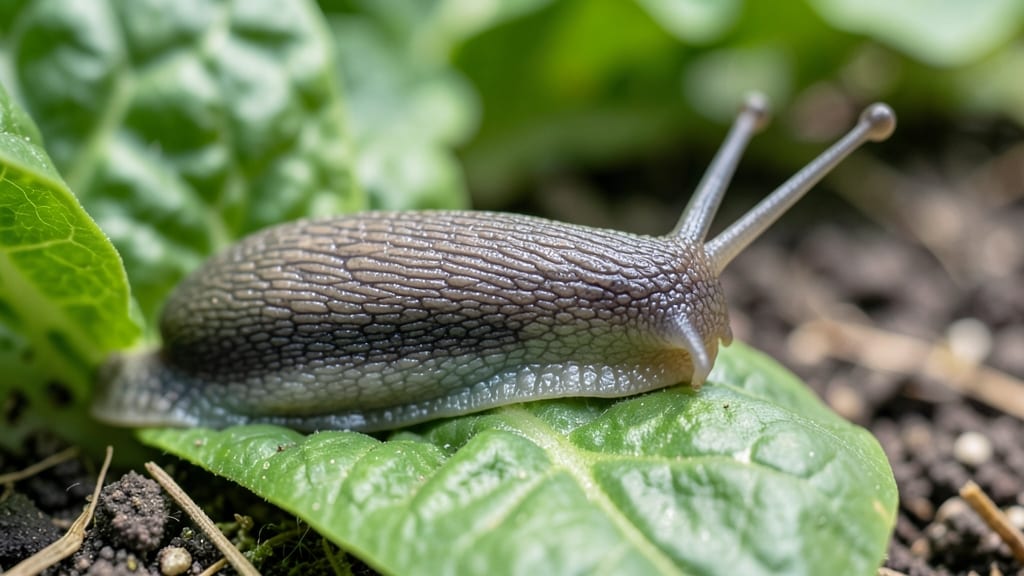
Slugs are extremely bad for gardens since they chew through leaves, stems, and tender seedlings, creating jagged edges that leave plants vulnerable to disease. Their nighttime feeding patterns and preference for moist conditions make them especially destructive to young plants, flowers, and vegetables.
These slimy pests don't just nibble—they can decimate an entire garden overnight, particularly in damp climates or after rain. 🌱 The damage isn't just cosmetic; slugs often target the most vulnerable parts of plants, like new growth and roots, which can stunt development or kill seedlings entirely.
I've seen entire rows of lettuce disappear in just one night, which is why fast action is critical to protect your hard work.
What makes slugs even more problematic is their ability to spread plant diseases through their slime trails. The irregular feeding patterns they leave behind create entry points for fungal infections, further weakening your plants.
If you're growing delicate flowers or vegetables, slugs can turn a thriving garden into a battleground within weeks.
💡 In This Article
- How Slugs Destroy Garden Plants and Vegetables
- Natural and Chemical Slug Control Methods for Gardens
How slugs destroy garden plants and vegetables
Slugs are nature's stealthy garden wreckers, using their sharp, file-like radula (a tongue-like structure with thousands of tiny teeth) to chew through plant tissue with surgical precision. They don't just take bites—they create irregular, jagged edges on leaves that look like someone took a pair of scissors to your plants.
This isn't just cosmetic damage; those ragged edges expose plants to fungal infections and bacterial rot, creating entry points for diseases that can kill your crops.
Their feeding patterns are particularly devastating to young seedlings and tender new growth, which are their favorite targets.
A single slug can consume up to 50 square inches of leaf surface in one night, and they have a special fondness for hostas, lettuce, and strawberries—plants that often become garden staples.
The slime trail they leave behind isn't just gross; it contains enzymes that actually break down plant cell walls, making it easier for them to continue their feast while also spreading pathogens.
What makes slugs even more insidious is their nocturnal feeding schedule. They come out after dark when gardeners aren't watching, often after rain when the soil is soft and moist—perfect conditions for their slimy bodies.
During the day, they hide in damp, shady spots under mulch, boards, or dense foliage, making them hard to spot until the damage is already done.
Their ability to reproduce rapidly (a single slug can lay up to 50 eggs in a season) means what starts as a small problem can become a full-blown infestation in just a few weeks.
The long-term effects on your garden can be severe. Slug damage stunts plant growth, reduces flowering, and lowers fruit production. For example, a slug-infested tomato plant might produce 30-50% fewer tomatoes than an undamaged one, and the remaining fruit may have unsightly scars or deformities.
In extreme cases, they can completely defoliate plants, leaving them vulnerable to heat stress and unable to photosynthesize properly. The economic impact isn't just about lost produce—it's about the time and effort wasted growing plants that never reach their full potential.
There's also the secondary damage to consider. Slugs don't just eat—they contaminate. Their slime contains bacteria and fungi that can spread to healthy plants, creating a domino effect of decay.
I've seen entire rows of basil turn black within days of a slug attack, not just from the chewing but from the diseases their trails introduced. This is why slug control isn't just about protecting your plants; it's about protecting the entire ecosystem of your garden.
One often overlooked aspect is how slugs affect root systems. While they're more visible on leaves, they'll also gnaw on young roots and stems at the soil line, which can sever the plant's connection to nutrients and water.
This underground damage is particularly dangerous for seedlings, which can wilt and die without warning. The combination of above-ground and below-ground attacks makes slugs one of the most comprehensive garden pests you'll encounter.
If you've ever found your carefully nurtured seedlings reduced to nothing more than a few stubborn stems, you've experienced firsthand how quickly slugs can turn a thriving garden into a battleground.
The key to minimizing their impact is understanding their behavior and acting before they've had a chance to establish themselves. 🌱