
Container Gardens
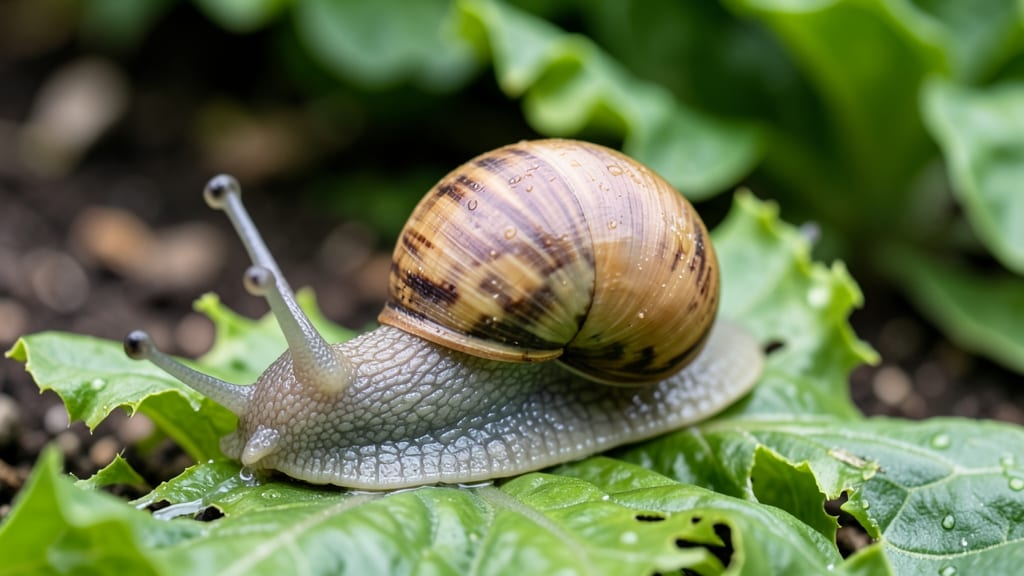
Snails are beneficial to gardens by aerating soil, breaking down organic matter, and acting as natural pest controllers for aphids and other soft-bodied insects, though they can also damage young plants and vegetables if populations grow unchecked.
Snails actually play a dual role in garden ecosystems. Their slimy trails leave behind calcium-rich mucus that enriches soil, while their feeding habits break down decaying plant material into nutrient-dense compost. 🌱 This natural decomposition process helps create a healthier growing environment for many plants.
However, their appetite for tender seedlings and leaves can create problems if their numbers spiral out of control—especially in small container gardens where food sources are concentrated.
What's fascinating is how snails contribute to biodiversity. They serve as a food source for birds, frogs, and other beneficial predators, creating a balanced food chain. In larger garden spaces, their presence often signals a thriving ecosystem where other helpful organisms can also flourish.
The key is monitoring their populations and implementing simple solutions when needed, like adding copper barriers or encouraging natural predators.
💡 In This Article
- How Snails Improve Soil and Ecosystem Balance
- Balancing Snail Populations in Your Garden
How snails improve soil and ecosystem balance
Snails act as tiny soil engineers by creating micro-channels as they move through the earth. Their bodies secrete a mucus trail containing calcium carbonate, which helps bind soil particles together while also introducing beneficial minerals.
Studies show that just 10-20 snails per square yard can improve soil structure by creating these aeration pathways, which enhance water penetration and root development. 🌱 This natural tilling is particularly valuable in dense or compacted soils where mechanical aeration isn't practical.
Their feeding habits transform organic matter through a process called "detritivory." Snails consume decaying leaves, plant debris, and even fungal mycelium, breaking these materials down into finer particles that accelerate composting.
Their waste, known as "castings," contains concentrated nutrients like nitrogen, phosphorus, and potassium in forms that plants can readily absorb. What's remarkable is how their digestive enzymes actually stimulate microbial activity in the soil—similar to how earthworms create nutrient hotspots, but on a smaller scale.
However, this ecosystem service comes with competition considerations. Snails often share habitats with slugs, which are more aggressive feeders on living plants. While snails prefer decaying matter, they'll readily switch to fresh vegetation when food sources become scarce.
This behavioral flexibility means their benefits depend entirely on maintaining proper population balance—typically no more than 5-10 snails per square meter in vegetable gardens to prevent crop damage while still gaining soil benefits.
The mucus trail left by snails contains beneficial bacteria that help break down complex organic compounds. Research from the University of Reading found that snail mucus can increase microbial diversity by up to 30% in treated soil samples compared to untreated controls.
This bacterial boost helps decompose tough plant materials like cellulose and lignin that other organisms might struggle with, creating a more fertile growing medium over time.
One often overlooked benefit is their role in seed dispersal. Snails frequently consume fallen fruits and seeds, then excrete them in different locations—sometimes far from the parent plant. This natural seed propagation method helps maintain genetic diversity in garden ecosystems.
The trade-off is that some of these seeds may be from invasive plant species, so gardeners should occasionally inspect snail trails for unfamiliar seed deposits.
For container gardens, snails offer unique advantages because their size makes them less likely to completely overrun small spaces. A single 12-inch diameter pot can comfortably support 2-3 snails without risking crop damage, while still benefiting from their soil aeration and nutrient cycling.
The key is providing alternative food sources like compost piles or decaying leaves to keep them from targeting your prized plants.