
Pests
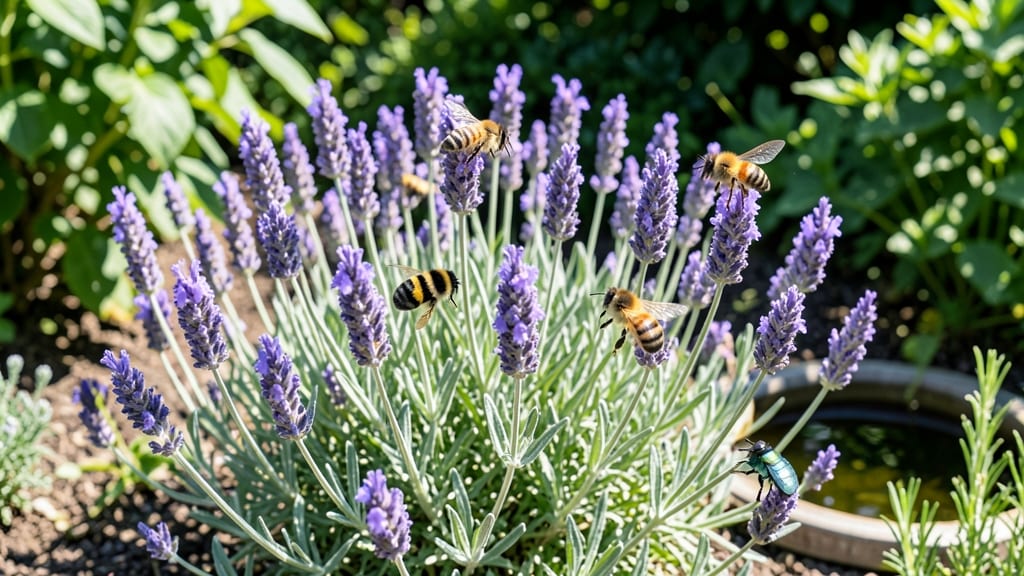
Bees in a garden thrive when you create a welcoming environment with native flowering plants, reliable water sources, and chemical-free spaces. Planting bee magnets like clover, lavender, and sunflowers, plus adding shallow water dishes, transforms your garden into a pollinator paradise that boosts plant productivity and supports local ecosystems.
Creating a bee-friendly garden goes beyond just planting flowers—it's about designing a complete ecosystem that meets their basic needs. 🌸 Bees rely on continuous nectar sources throughout the growing season, so mixing early bloomers like crocus with late-season asters ensures they always have food.
The water sources are just as critical; bees prefer shallow dishes with pebbles for safe landing spots, and placing them near their favorite flowers makes foraging even more efficient.
What's fascinating is how these tiny pollinators directly impact your harvest—studies show gardens with abundant bees can increase fruit and vegetable yields by up to 30% through more effective pollination.
Beyond the practical benefits, supporting bees helps maintain the delicate balance of your garden's ecosystem. Native bee species have evolved alongside local plants, making them far more effective pollinators than their non-native counterparts.
When you eliminate pesticides and provide proper habitat, you're not just attracting bees—you're creating a self-sustaining cycle that benefits your entire garden. The key is consistency: bees remember reliable food and water sources, so maintaining these elements year-round pays dividends in pollination success.
💡 In This Article
- Why Bees Are Essential for Garden Health
- Best Flowering Plants to Attract Bees Naturally
Why bees are essential for garden health
Bees act as nature's tiny farmers, performing over 80% of plant pollination worldwide. When bees visit flowers, their fuzzy bodies pick up pollen grains on specialized hairs called setae, which they transfer to the next flower's stigma.
This process triggers fertilization, allowing plants to produce fruits, seeds, and vegetables. For example, a single honeybee colony can pollinate 32 acres of fruit blossoms per year—that's enough to fill an entire football field with crops!
The impact on your garden is measurable. Studies show that gardens with abundant bee activity produce 20-30% more tomatoes, 40% more blueberries, and 15% more squash compared to those without pollinators. The reason? Many plants rely on bees for cross-pollination, which creates genetic diversity and stronger plants.
Without bees, you might still get some fruit, but it'll be smaller, misshapen, or seedless—like the tiny, underdeveloped peppers you sometimes find in neglected gardens.
Bees also support plant reproduction through a fascinating chemical process. When pollen lands on a compatible stigma, it triggers the release of enzymes that break down the pollen tube, allowing sperm cells to travel down to the ovary.
This entire process, from pollen transfer to fertilization, typically takes 24-48 hours—a window bees help accelerate through their foraging patterns. 🌼 The result is more robust plants with better disease resistance, which means fewer pests and healthier harvests for you.
Declining bee populations create a ripple effect in garden ecosystems. With 40% of bee species in North America at risk of extinction, many plants are struggling to reproduce. This isn't just about fewer fruits—it affects the entire food chain.
Birds and small mammals that rely on berries and seeds from pollinated plants would lose a critical food source. Even your soil benefits indirectly, as healthy plants maintain better root systems that prevent erosion and improve water retention.
Here's what happens when bees disappear from your garden: apples fail to develop, cucumbers remain flower but never fruit, and almond trees produce almost no nuts. The economic impact is staggering too—global crop pollination is valued at $235-577 billion annually.
For home gardeners, the difference between a thriving vegetable patch and a struggling one often comes down to having enough pollinators.
What most people don't realize is how bees enhance flavor too. Proper pollination leads to more uniform fruits with better sugar development. For instance, strawberries pollinated by bees taste sweeter and more aromatic than those that self-pollinate.
The same goes for herbs—bee-visited basil has a more complex flavor profile. This chemical difference comes from the plant's response to successful pollination, which triggers the production of more volatile aromatic compounds.