
Container Gardens
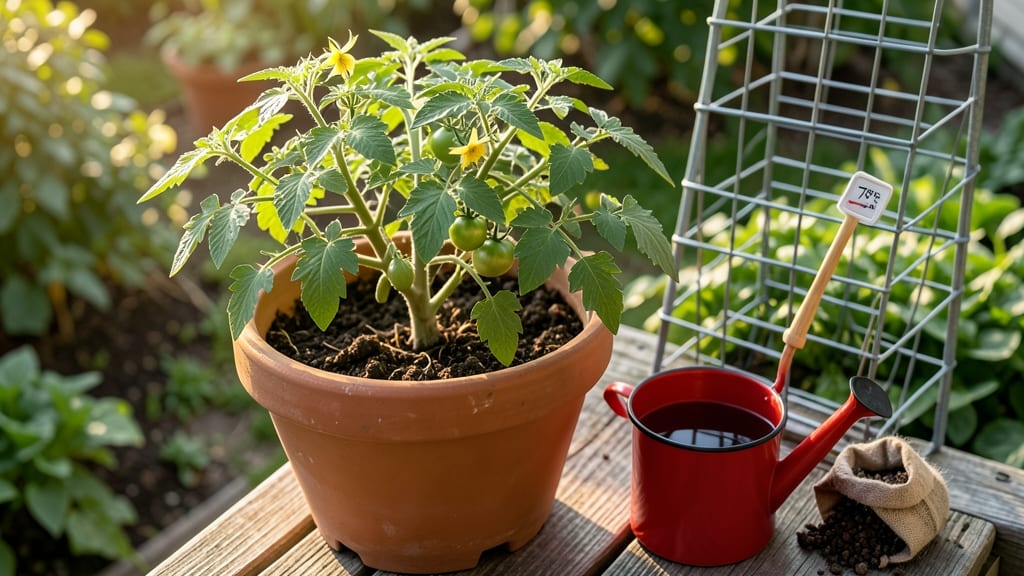
Growing a vegetable garden in pots lets you grow compact, fast-maturing varieties like cherry tomatoes, lettuce, or dwarf peppers in containers with proper drainage, sunlight exposure, and nutrient-rich soil. Rotate pots regularly and check soil moisture daily for best results.
Container gardening opens up possibilities for small spaces, balconies, or urban apartments where traditional in-ground gardens aren't feasible.
The key to success lies in choosing vegetables with shallow root systems and smaller growth habits—like radishes, green onions, or bush beans—that won't outgrow their containers. 🌱 I've found that containers at least 12 inches deep work best for most vegetables, while larger varieties like tomatoes need 5-gallon pots or bigger to thrive.
Proper drainage prevents root rot, and a quality potting mix with added compost ensures your plants get the nutrients they need without compacting over time.
Another critical factor is sunlight placement—most vegetables need at least 6-8 hours of direct sunlight daily. If your space is shady, opt for leafy greens like spinach or kale, which tolerate partial shade better than sun-loving tomatoes.
I always recommend starting with a few easy-to-grow plants to build confidence before expanding to more demanding varieties.
💡 In This Article
- Best Vegetable Varieties for Container Gardening
- Essential Container Gardening Tips for Healthy Pots
Best vegetable varieties for container gardening
Vegetables that thrive in pots share one key trait: they develop shallow root systems and grow vertically or stay compact. Leafy greens like lettuce and spinach have fibrous roots that spread horizontally, making them ideal for shallow containers (just 6-8 inches deep).
Their rapid growth cycle—typically 30-50 days to harvest—means you can enjoy multiple harvests in a single season. 🌱 What's fascinating is how their shallow roots prevent nutrient depletion in small soil volumes, unlike deep-rooted plants that require constant feeding.
Herbs like basil, parsley, and cilantro are perfect for containers because they grow in clumps rather than spreading aggressively. A 6-inch diameter pot can easily support multiple basil plants, which thrive in 4-6 hours of sunlight daily.
Their delicate leaves also make them sensitive to root competition, so spacing 3-4 inches apart ensures each plant gets adequate airflow and light. The science here is simple: herbs prioritize leaf production over root expansion, making them low-maintenance container stars.
For those craving homegrown tomatoes, cherry varieties like 'Sweet 100' or 'Tiny Tim' are game-changers. These bush types produce fruit without needing trellises and fit comfortably in 5-gallon pots. The trick is pruning suckers (those little shoots between stems) to direct energy upward, not outward.
This vertical growth habit prevents the plant from toppling while maximizing yield in limited space. 🍅 What most beginners miss is that container tomatoes need consistent moisture—their roots can't access water deep underground, so checking soil daily is non-negotiable.
Root vegetables like radishes and carrots need special consideration. Radishes mature in just 25-30 days and grow well in 8-inch deep pots, but their round shape makes them prone to splitting if overcrowded.
Carrots, however, require deeper containers (12 inches minimum) to prevent forking (when roots grow in multiple directions). The soil texture matters too—sandy loam mixes prevent roots from becoming too woody or splitting under pressure.
Legumes like bush beans and peas are container-friendly because they fix nitrogen in the soil, reducing fertilizer needs. A 12-inch tall pot can support a 2-foot tall pea plant with proper trellising, while bush beans stay compact at 18-24 inches tall.
Their deep taproots (up to 12 inches) make them better suited for containers than many other vegetables, as long as the pot has adequate depth. The trade-off? They need full sun (6+ hours daily) and consistent moisture to prevent blossom drop.
When selecting varieties, always check seed packets for "container-friendly" labels or look for terms like "bush," "dwarf," or "compact." These descriptors indicate plants bred specifically for limited spaces.
For example, 'Patio' eggplants stay under 2 feet tall and produce fruit in 60-70 days, while regular varieties can reach 3 feet and take twice as long. 💫 The right choice turns container gardening from a challenge into a rewarding experience.