
Advice
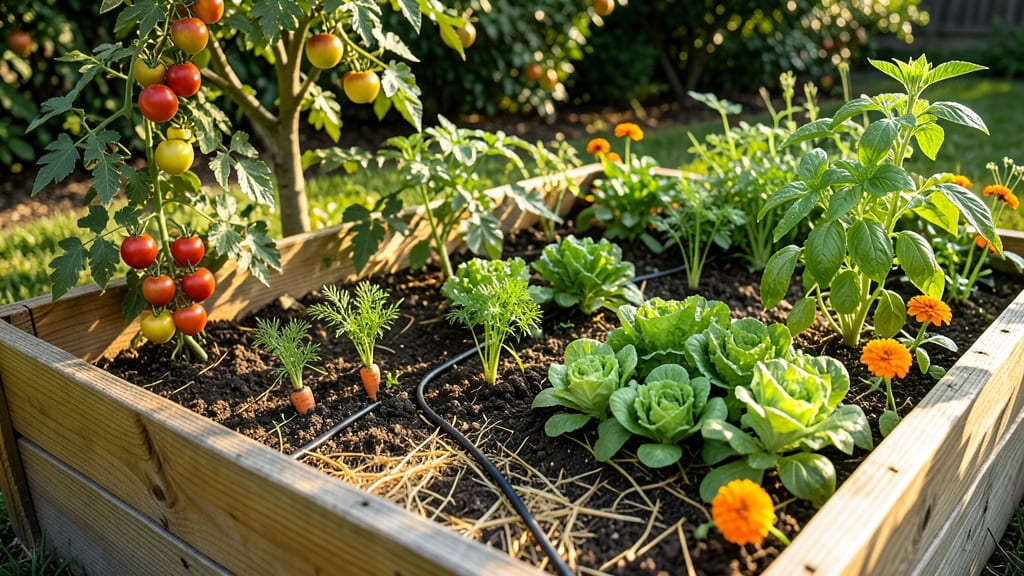
The best place to grow a garden combines sunny, well-drained areas with at least 6-8 hours of sunlight daily, fertile loam soil, and reliable moisture from rainfall or irrigation. Microclimates like south-facing slopes or sheltered spots maximize yields better than exposed flatlands.
The ideal garden spot depends on your local climate and soil type. 🌱 Most successful vegetable gardens thrive in areas with good air circulation to prevent disease, while fruit trees often need slightly more shade during peak summer heat.
I’ve found that even small urban spaces can work if you choose container-friendly plants like herbs or dwarf varieties. The key is balancing sunlight exposure with soil drainage—too much water or poor airflow can ruin even the hardiest plants.
For beginners, I recommend starting with a raised bed if your native soil is heavy clay or sandy—it gives you full control over drainage and nutrient levels. 💛 Test your soil’s pH before planting; most vegetables prefer a neutral range (6.0-7.0), while blueberries need acidic soil (4.5-5.5).
Microclimates aren’t just about sun—windbreaks and nearby buildings can create pockets of warmth that extend growing seasons in cooler regions.
💡 In This Article
- Climate Zones and Plant Compatibility
- Soil Testing and Garden Bed Preparation
Climate zones and plant compatibility
Your garden's success hinges on understanding your local climate zone, specifically the USDA Hardiness Zone Map which divides regions by average minimum winter temperatures.
For example, Zone 5 (typical of northern U.S. states) can handle plants like kale and broccoli that tolerate -20°F to -10°F, while Zone 10 (southern California, Florida) supports tropical plants like okra and sweet potatoes that thrive in 30°F minimum temperatures. 🌿 The key difference lies in frost dates—Zone 5 gardens typically have 140-180 frost-free days, while Zone 10 enjoys 300+ days, allowing for year-round planting of heat-loving crops.
Temperate climates (Zones 4-7) offer the broadest range of plant options, accommodating everything from cool-season crops like lettuce to warm-season favorites like tomatoes. In these zones, I've seen gardeners achieve two full harvests by planting early spring crops (like peas) followed by summer crops (like beans) in the same space.
Tropical climates (Zones 8-11) require different strategies—focus on plants that thrive in consistent warmth and humidity, like eggplants and peppers, while avoiding frost-sensitive crops that would perish in cooler zones.
Drought-resistant plants like rosemary, lavender, and zucchini make excellent choices for areas with less than 15 inches of annual rainfall, while moisture-loving crops such as cucumbers and spinach need 20+ inches of water yearly.
The science here involves plant transpiration rates—drought-tolerant species have thicker cuticles and deeper root systems to access water, while moisture-loving plants have shallow roots that absorb water quickly but require consistent availability. 💧 In my own garden, I've noticed that even drought-resistant plants perform better with 1-2 inches of water per week during dry spells.
Seasonal adjustments are crucial in frost-prone areas. For instance, in Zone 6, gardeners use row covers or cold frames to extend the growing season by 2-4 weeks in spring and fall.
The magic number here is 28°F25°F), making them ideal for early spring planting.
The key is matching your planting schedule to your last frost date, which varies by 1-3 weeks depending on your specific microclimate.
Microclimates create localized conditions that can drastically alter growing success. A south-facing wall, for example, can create a 5-10°F warmer microclimate than the surrounding area, allowing you to grow plants that wouldn't normally thrive in your zone.
I've seen gardeners in Zone 7 successfully grow lemon trees against south-facing walls where the open garden would be too cold. Similarly, low-lying areas collect cold air and may experience 2-3 weeks later last frost dates than higher elevations.
These microclimates are why urban gardens often outperform rural ones—they're packed with walls, roofs, and other structures that create diverse growing conditions.
For urban gardeners, container gardening opens up possibilities for plants that wouldn't survive in-ground in cooler climates. For example, basil thrives in Zone 10 but can be grown in containers and brought indoors before 50°F temperatures arrive.
The container's portability gives you control over the plant's environment, making it possible to grow tropical plants in temperate zones with proper care.
This flexibility is one reason container gardening has become so popular in cities—it turns balconies and patios into productive growing spaces regardless of the surrounding climate zone. 🌱