
Watering
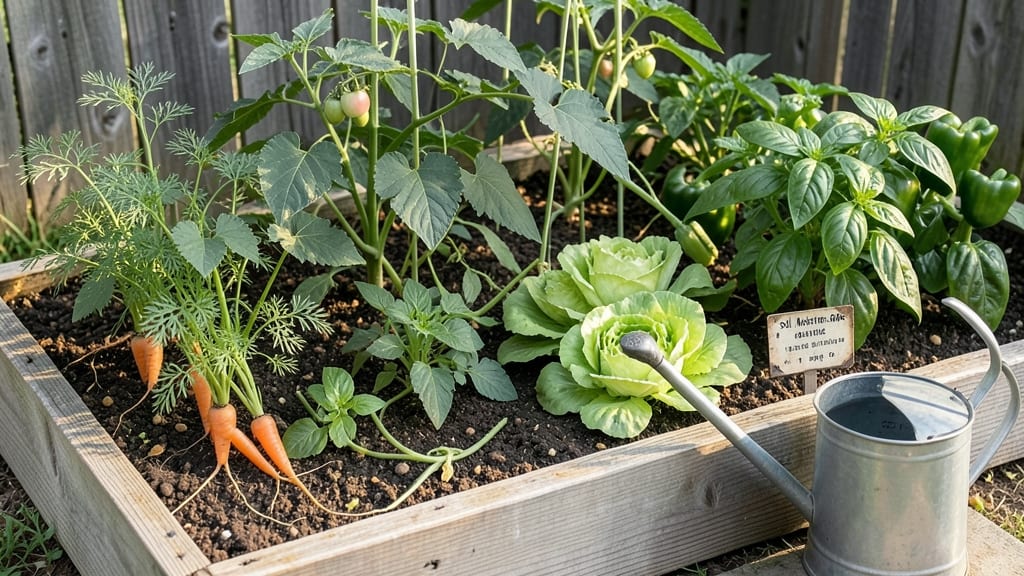
A vegetable garden needs 1 to 1.5 inches of water per week—but that’s just the starting point, and getting it wrong can mean the difference between a thriving harvest and a sad, wilted mess.
Picture this: You’ve spent hours planting your dream garden, only to watch it struggle through a season of guesswork—too much water and the roots rot, too little and the plants bolt or wither.
The truth is, watering isn’t one-size-fits-all; it’s a science that changes with the season, your soil, and even the type of veggies you’re growing.
In this guide, I’ll break down the exact water needs for leafy greens, fruiting plants, and root vegetables, plus how to adjust for clay, sandy, or loamy soil. You’ll also learn how to spot over- or under-watering before it’s too late, so your garden stays lush without wasting a drop.
Ready to ditch the guesswork? By the end, you’ll have a custom watering plan that keeps your plants happy, your harvest bountiful, and your hose trips efficient—no more drowning or dehydrating your crops.


Science-backed water requirements for different vegetable types (with exact inches per week)
Watering your vegetable garden isn’t about following a one-size-fits-all rule—it’s about understanding the unique needs of each crop category. Leafy greens like lettuce and spinach thrive with 1 inch of water weekly, while fruiting plants such as tomatoes and peppers demand 1.5 to 2 inches to support heavy harvests.
Root vegetables like carrots and potatoes need 1 to 1.5 inches, but their watering schedule shifts as they mature.
The USDA recommends measuring soil moisture at a 2-inch depth—this is where most vegetable roots absorb water. Use a soil moisture meter or the finger test (stick your finger 2 inches deep; if dry, water).
Overwatering is just as harmful as underwatering, leading to root rot or blossom-end rot in tomatoes. Let’s break down the exact water needs by crop type, so you can tailor your watering like a pro.
🌱
For leafy greens, aim for 1 inch of water per week, but increase to 1.25 inches during heatwaves. These plants bolt (go to seed) when stressed, so consistent moisture is key.
Use a drip irrigation system to deliver water directly to the soil, reducing evaporation and fungal risks. Mulch with straw to lock in moisture and keep roots cool.
Fruiting plants like tomatoes and peppers are the thirstiest in your garden, needing 1.5 to 2 inches weekly. During fruiting, they demand even more—up to 2.5 inches in extreme heat.
Watch for blossom-end rot, a calcium deficiency caused by uneven watering. Water deeply in the morning to prevent fungal diseases like early blight, which thrives in wet foliage.
Root vegetables like carrots and potatoes need 1 to 1.5 inches weekly, but their water needs drop as they mature. Overwatering can cause cracked potatoes or forked carrots, so focus on even moisture rather than soggy soil.
Loosen soil around these crops to encourage deep root growth and improve drainage.
Herbs like basil and parsley prefer 0.
How to adjust watering based on soil type, climate, and plant age (avoid over/underwatering)
Adjusting your watering schedule isn’t about following a rigid calendar—it’s about reading your garden like a book. The same 1 inch of water per week rule fails when your soil is clay-heavy versus sandy, or when seedlings need daily moisture while mature tomatoes thrive on deep, infrequent watering.
Let’s break down how to tailor watering to your garden’s unique conditions.
Start by testing your soil moisture with a simple finger check: Stick your finger 1-2 inches deep. If it feels dry, it’s time to water. Clay soil holds moisture longer but drains poorly, while sandy soil dries out faster—sometimes within hours.
Humid climates reduce evaporation, but hot, dry days can double your garden’s water needs in a single afternoon.
Your plants’ age also dictates their thirst. Seedlings need consistent moisture to prevent wilting, while mature plants develop deeper roots that access water reserves.
A tomato plant at 2 weeks old might need watering every 2 days, but the same plant at 8 weeks can handle 3-4 days between waterings if the soil is rich and mulched.
| Factor | Clay Soil | Sandy Soil | Hot/Dry Climate | Humid Climate |
|---|---|---|---|---|
| Watering Frequency | Every 3-4 days | Every 1-2 days | Daily (early morning) | Every 4-5 days |
| Depth per Watering | 1.5-2 inches | 0.5-1 inch | 2-3 inches (deep soak) | 1 inch |
| Seedling Care | Keep soil damp (mist daily) | Light watering 2x/day | Shade cloth + frequent water | Morning watering only |
| Mature Plant Care | Deep water every 4 days | Deep water every 2 days | Drip irrigation at base | Water at soil level |
| Signs of Overwatering | Yellow leaves, mold | Root rot, wilting | Pale leaves, stunted growth | Fungal spots |
For hot/dry climates, water in the early morning to reduce evaporation and fungal risks. Use drip irrigation or soaker hoses to deliver water directly to the root zone, minimizing waste.
In humid climates, focus on morning watering to let foliage dry before evening—this prevents powdery mildew and other diseases.
Adjust your schedule seasonally: Spring often requires less water as soil moisture from winter remains, while summer demands 20-30% more due to heat. Mulch with straw or wood chips to retain moisture and regulate soil temperature, cutting water needs by up to 30%.
Always water deeply—aim for 6-12 inches down—to encourage roots to grow deeper and access stored water.
Watch your plants for stress signals: Drooping leaves by noon? It’s thirsty. Yellowing lower leaves? Possible overwatering. Leafy greens like lettuce wilt quickly, while root vegetables like carrots tolerate drier soil.
By tuning into these cues and adjusting for your garden’s unique conditions, you’ll master the art of precision watering—no more wasted water or wilted dreams. 🌱