
Vegetables
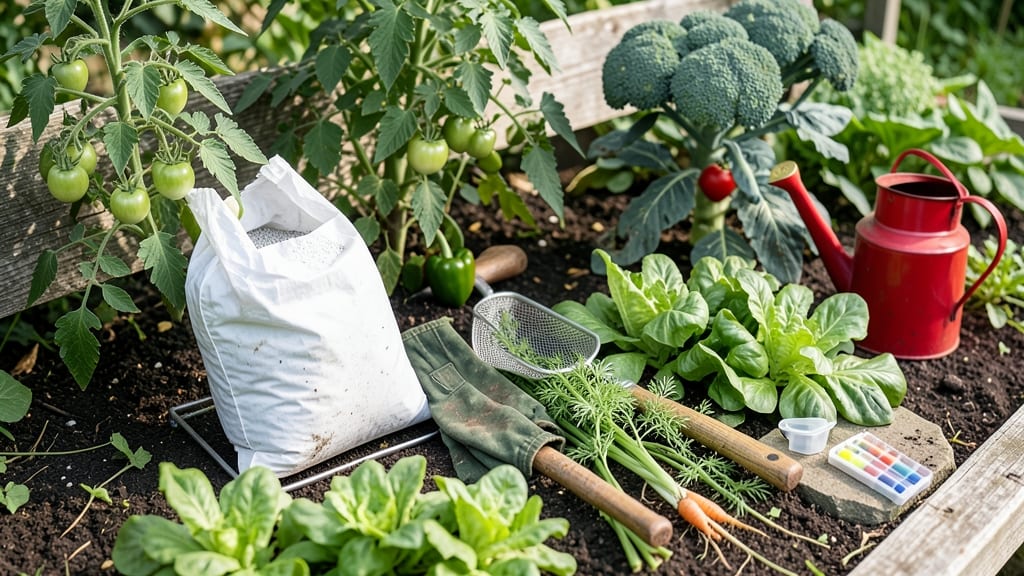
Calcium for vegetable gardens is essential for preventing blossom end rot in tomatoes and peppers, reinforcing plant cell walls, and improving soil structure by maintaining proper pH balance. Use 1-2 pounds of gypsum per 100 square feet annually or crushed eggshells as an organic alternative.
Calcium acts like a structural superhero in your vegetable garden, keeping plants resilient against stress and disease. 🌱 Without enough of it, you'll see classic signs like dark, sunken spots on fruit or yellowing leaves—especially in heavy-feeding plants like tomatoes and peppers.
The magic happens at the cellular level, where calcium strengthens the pectin in cell walls, helping plants better absorb water and nutrients. I've found that applying calcium in early spring, before the growing season kicks off, gives plants a strong foundation for the entire year.
For best results, test your soil first—most garden soils already have some calcium, and overdoing it can actually raise your pH too high, locking out other essential nutrients.
Gypsum is my go-to because it dissolves quickly and won't alter soil pH, while eggshells provide a slow-release organic option that also adds beneficial microbes to the soil. The key is consistency: a little calcium each season keeps your vegetables thriving without risking imbalance.
💡 In This Article
- How Calcium Boosts Plant Health in Gardens
- Best Calcium Sources and Application Timing for Vegetables
How calcium boosts plant health in gardens
Calcium acts as the invisible scaffolding for plant cell walls, binding with pectin to create a rigid yet flexible structure that helps plants maintain their shape—especially under stress.
When plants don't get enough calcium, their cell walls weaken, leading to classic disorders like blossom end rot in tomatoes (those dark, sunken spots on the fruit) or bitter pit in apples.
The deficiency disrupts the plant's ability to transport nutrients and water efficiently, often showing up first in new growth or fruit. 🌱 What's fascinating is how calcium also works with magnesium and nitrogen: it helps regulate these nutrients so plants can use them properly, preventing yellowing leaves or stunted growth that many gardeners mistake for other issues.
At the microscopic level, calcium ions act like tiny glue molecules, cross-linking pectin chains in the cell walls. This process is called calcium pectate formation, and it's what gives plant tissues their structural integrity. Without enough calcium, cells become more susceptible to damage from fluctuations in moisture or temperature.
For example, a tomato plant with calcium deficiency might develop blossom end rot within days of a sudden heatwave—even if the soil seems moist.
The key is that calcium isn't just about preventing problems; it's about helping plants recover faster from environmental stress, which is why I always recommend applying it before the peak growing season.
You'll notice calcium's effects most clearly in heavy-feeding plants like peppers, squash, and eggplants, which have high calcium demands. These plants often show deficiency symptoms first because they're growing rapidly and need more calcium to support new cell formation.
A quick test: if your tomato leaves start curling at the edges with brown spots, or your peppers develop leathery, deformed fruit, calcium deficiency is likely the culprit.
The good news is that once you add calcium, these symptoms usually disappear within 2-3 weeks as the plant rebuilds its cell walls. 💫
Calcium also plays a surprising role in soil structure. It helps bind soil particles together, improving drainage and aeration—especially in heavy clay soils where roots can suffocate. This is why gypsum (calcium sulfate) is so effective: it dissolves quickly to release calcium ions while temporarily improving soil texture.
The catch? Too much calcium can raise soil pH, making other nutrients like iron and manganese less available. That's why I always recommend testing your soil first—most garden soils already have some calcium, and you might only need a light application to correct deficiencies.
Here's what most gardeners miss: calcium deficiency often shows up in new growth before older leaves, because the plant prioritizes sending calcium to established tissues. This is the opposite of nitrogen deficiency, where older leaves yellow first. Pay attention to these subtle clues—they'll help you diagnose problems faster.
For instance, if your pepper plants have dark, sunken spots on the bottom of the fruit (the blossom end), that's a classic sign of calcium deficiency, not just poor watering.
One of my favorite organic sources is crushed eggshells, which provide a slow-release form of calcium that also adds beneficial microbes to the soil.
To use them, simply bake eggshells at 200°F for 10 minutes to kill bacteria, crush them into a fine powder, and sprinkle 1 cup per plant in early spring.
The calcium will dissolve gradually as soil microbes break down the eggshells, giving your plants a steady supply throughout the growing season. 🌿