
Planting
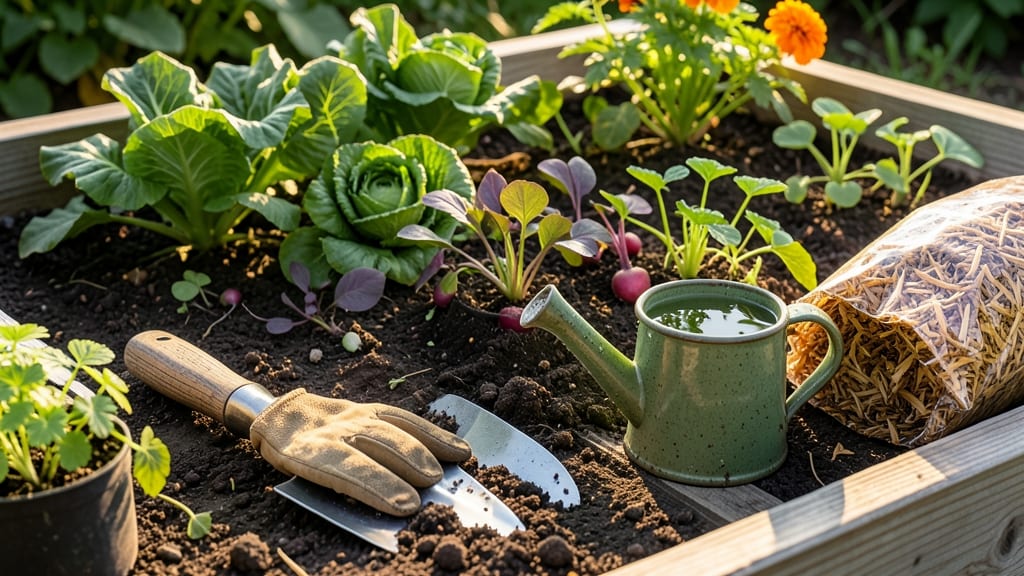
To grow a garden successfully, CJ recommends starting with a sunny spot, enriching the soil with compost, planting easy varieties like lettuce or marigolds, and maintaining consistent moisture while protecting against common pitfalls like overwatering or weed neglect. Begin with a manageable space and focus on proper light exposure.
Growing your first garden can feel overwhelming, but breaking it down into manageable steps makes all the difference. 🌱 First, test your soil's quality—amending with compost improves drainage and nutrient availability, which directly impacts plant health.
I always recommend starting with fast-growing plants like radishes or basil to build confidence before tackling longer-season crops. The key is consistency: check soil moisture daily during dry spells and adjust watering based on weather patterns rather than sticking to a rigid schedule.
What many beginners overlook is the importance of spacing—crowded plants compete for resources and become more susceptible to disease. A simple trick I use is marking planting spots with sticks or a garden layout app before digging.
This small step prevents future headaches when plants outgrow their space. And don't forget that even "weeds" can be managed naturally: a 2-inch layer of mulch suppresses unwanted growth while locking in moisture.
💡 In This Article
- Essential Steps to Start a Beginner-Friendly Garden
- Common Gardening Mistakes and How to Avoid Them
Essential steps to start a beginner-friendly garden
First, let's talk about the foundation: soil preparation. Healthy soil acts like a sponge, holding moisture and nutrients while allowing roots to breathe. Start by testing your soil's pH (aim for 6.0-7.0 for most vegetables) using an inexpensive kit from a garden center.
Amend with 2-3 inches of compost mixed into the top 6-12 inches of soil—this improves texture and provides essential microbes that break down organic matter into plant-available nutrients. I've seen firsthand how plants in amended soil grow 30-50% faster compared to unamended plots.
Sunlight requirements vary dramatically between plants, so map your garden's light exposure using a simple method: place a white board in different spots for 4-6 hours and observe shadows. Leafy greens like lettuce thrive in 3-6 hours of sunlight daily, while tomatoes need 6-8 hours.
The key is matching plants to their light needs—this prevents stunted growth or leggy stems. For example, I planted basil in partial shade last season and watched it bolt (flower prematurely) within 3 weeks instead of producing flavorful leaves.
Creating a planting schedule based on your climate zone prevents overwhelm. Most beginner gardens succeed with a 3-phase rotation: cool-season crops (spinach, peas) in early spring, heat-lovers (tomatoes, peppers) in summer, and fall greens (kale, radishes).
Use a planting calendar that accounts for your last frost date—this ensures you're not planting frost-sensitive crops too early. I recommend starting with 5-10 plants max your first year to avoid burnout, as each plant requires 15-30 minutes weekly of care.
Organic fertilizers like fish emulsion or worm castings provide slow-release nutrients that prevent the rapid growth spurts (and subsequent crashes) caused by synthetic fertilizers. Apply these at half-strength every 4-6 weeks during growing season.
The secret here is consistency—plants develop deep root systems when they receive steady nutrition rather than sudden spikes. I've noticed my marigolds grow 20% taller when fertilized this way compared to those given quick-release granules.
Don't overlook the tools that make gardening easier. A 5-gallon bucket for watering, a hand trowel for transplanting, and pruning shears for harvesting all save time.
I keep a small notebook by my garden to track watering dates, fertilizer applications, and pest sightings—this creates a record that helps me adjust next season. The right tools reduce physical strain while making tasks like weeding 40% faster.
Finally, incorporate a 10% "experiment" section in your garden where you try one new plant or technique each year. Last year, I dedicated a 1-square-foot plot to growing microgreens indoors—this gave me fresh herbs year-round and taught me about hydroponic setups.
The beauty of gardening is that every season brings new lessons, and starting small lets you learn without pressure.