
Blooming
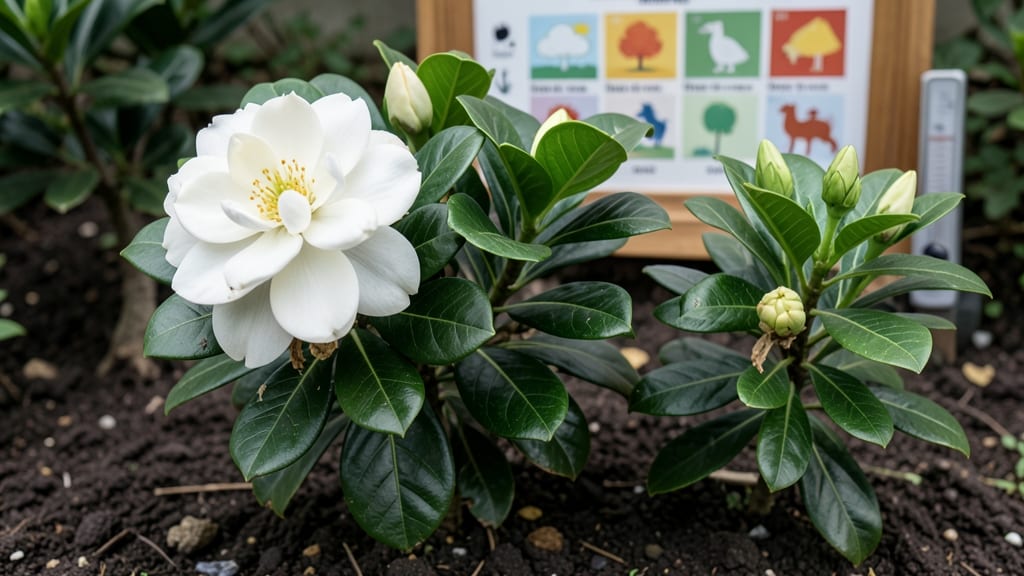
Gardenias do not bloom all year—they follow seasonal patterns, with most varieties flowering heavily in spring and summer, though some may produce occasional blooms in mild winters or with optimal growing conditions.
Gardenias are sensitive to environmental cues that trigger their blooming cycles. 🌸 In cooler climates, they often enter dormancy during winter months, conserving energy until warmer temperatures and longer daylight hours stimulate new flowers.
Even in tropical regions, gardenias respond to seasonal changes in humidity and temperature, which can influence both the intensity and duration of their blooms.
What many gardeners discover is that while you can't force continuous blooming, you can create conditions that encourage longer flowering seasons. For example, providing consistent moisture, using phosphorus-rich fertilizers, and protecting plants from harsh winter winds can help extend their natural blooming periods.
The key is working with their biological rhythms rather than against them.
Some gardenia varieties, like the Gardenia jasminoides, are particularly responsive to proper care, sometimes producing sporadic blooms outside their primary season. However, expecting year-round flowers is unrealistic—these plants are designed to rest and recharge, much like their wild counterparts in tropical forests.
💡 In This Article
- Gardenia Blooming Seasons by Climate Zone
- Tips to Extend Gardenia Blooming Periods
Gardenia blooming seasons by climate zone
Gardenias thrive in warm climates but respond dramatically to seasonal changes, particularly temperature shifts that trigger their blooming cycles. In USDA zones 8-11 (tropical/subtropical regions), gardenias typically bloom from late spring through summer, with occasional flowers in mild winters.
However, in zones 7 and below50°F, halting flower production until spring warmth returns.
The key trigger is daylight exposure—gardenias need 6-8 hours of sunlight daily to set flower buds, but they also respond to temperature cues.
For example, in Florida (zone 9-10), gardenias may bloom year-round with minimal breaks, while in California (zone 9-10 but with cooler coastal winters), they'll often pause blooming during December-February when nights dip below 55°F.
Humidity plays a role too: tropical varieties need 50-70% humidity to maintain consistent blooming, while temperate types may tolerate slightly drier conditions.
What's fascinating is how gardenias use these environmental signals to conserve energy. In cooler climates, they'll drop buds and leaves to enter dormancy—a survival mechanism similar to how deciduous trees prepare for winter.
This is why you might see gardenias in zone 7 gardens bloom heavily in June but produce almost nothing from October through March. The plant is essentially "resting" until spring's longer days and warmer nights signal it's safe to bloom again.
There's also a fascinating exception with Gardenia augusta, a tropical variety that can produce blooms year-round in ideal conditions. These plants are less sensitive to seasonal temperature drops, making them popular in greenhouses or frost-free microclimates.
However, even these varieties will show reduced blooming if nighttime temperatures fall below 60°F for extended periods.
For gardeners in transitional zones (6-7), the challenge is creating microclimates that mimic tropical conditions. Using windbreaks, mulch layers, and container growing (where plants can be moved indoors during winter) can significantly extend the blooming season.
The goal isn't to force year-round flowers but to create conditions where gardenias can bloom for 8-10 months instead of just 4-6.
What most people don't realize is that gardenias actually produce their flower buds in the previous season. The buds form in late summer/early fall but won't open until spring when temperatures rise above 65°F consistently.
This means your pruning decisions in September-October can directly impact next year's blooming pattern—a critical insight for maximizing flower production.