
Companion Plants
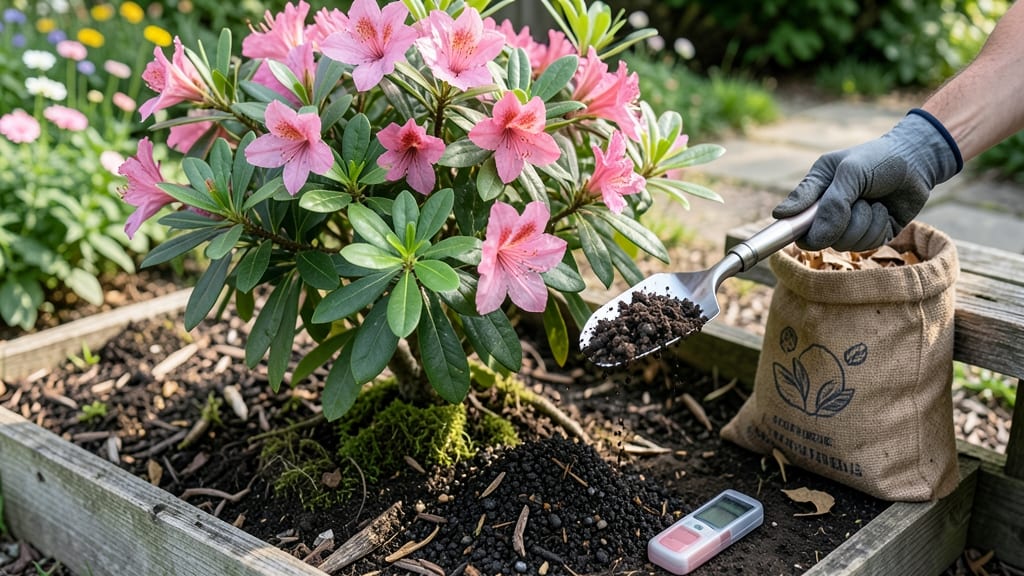
Garden plants that benefit from coffee grounds include acid-loving species like azaleas, blueberries, hydrangeas, and rhododendrons, as well as nitrogen-hungry crops such as tomatoes, peppers, and roses. Coffee grounds also improve soil structure and moisture retention for most vegetables and flowers.
Coffee grounds work their magic by lowering soil pH, creating the perfect acidic environment for plants like hydrangeas and blueberries to thrive.
The nitrogen in grounds acts as a natural fertilizer, giving leafy greens and fruiting plants like tomatoes a nutrient boost without harsh chemicals. 💫 I've seen gardeners double their yields by mixing used grounds into compost or sprinkling them lightly around plants—just avoid overdoing it, as too much can compact soil or attract pests.
For best results, use grounds sparingly—about 1/4 cup per plant every few weeks—and always compost them first to prevent mold. This method works wonders for vegetables like peppers and flowers like roses, but steer clear with alkaline-loving plants such as lavender or asparagus, which prefer higher pH levels.
What's fascinating is how coffee grounds also act as a natural moisture retainer, reducing watering needs while keeping roots cool. Just remember: fresh grounds can be too acidic, so composting them for a few weeks first balances their benefits.
💡 In This Article
- How Coffee Grounds Boost Soil for Acid-Loving Plants
- Best Practices for Using Coffee Grounds in Your Garden
How coffee grounds boost soil for acid-loving plants
Coffee grounds work like a natural soil amendment because they contain organic acids—primarily chlorogenic acid and quinic acid—that lower soil pH when broken down. Fresh grounds have a pH of around 4.8-5.1, similar to acidic rainforest soils where many garden plants thrive.
When mixed into the soil, these acids gradually dissolve, releasing hydrogen ions that shift the soil's pH downward over time. This process is especially beneficial for plants like blueberries, which require soil pH between 4.5-5.5 to absorb iron and other nutrients efficiently.
The nitrogen content in coffee grounds (about 1-2% by weight) also plays a crucial role. When microbes in the soil decompose the grounds, they convert this nitrogen into forms like ammonium and nitrate that plants can readily absorb.
This nitrogen boost is particularly valuable for leafy greens and fruiting plants, where rapid growth and high yields are desired. For example, tomatoes and peppers respond well to this nutrient surge, often producing larger fruit and greener foliage within 4-6 weeks of application.
Beyond pH and nitrogen, coffee grounds enhance soil structure by improving water retention and aeration. The coarse texture of used grounds creates tiny air pockets that help roots breathe while holding moisture longer than regular soil.
This is why gardeners often see reduced watering needs—especially in sandy soils—when using coffee grounds. The organic matter also feeds beneficial microbes, which in turn help break down other nutrients in the soil, creating a more vibrant ecosystem for plant roots.
However, the magic of coffee grounds isn't just about chemistry—it's also about timing. Fresh grounds can be too acidic and may compact soil if used directly, while composted grounds (aged 3-6 months) provide a balanced, slow-release benefit.
The key is patience: composting grounds first allows microbes to partially decompose them, making their nutrients more accessible to plants without overwhelming the soil. 🌱
Consider these acid-loving plants that particularly benefit from coffee grounds:
- Azaleas and Rhododendrons: Thrive in pH 4.5-6.0; coffee grounds help maintain this range while providing nitrogen for lush blooms.
- Hydrangeas: Their flower color changes with soil pH—blue blooms need pH 5.5 or lower, while pink prefers higher pH. Coffee grounds can help achieve that vibrant blue!
- Blueberries: Require consistently acidic soil; grounds provide both the pH adjustment and nitrogen needed for strong growth.
What most gardeners don't realize is how coffee grounds also act as a natural pest deterrent. The strong aroma repels slugs, snails, and some insects, while the improved soil health makes plants more resilient to diseases.
Just remember: moderation is key—too much can create an overly acidic environment that harms beneficial soil organisms.