
Tools
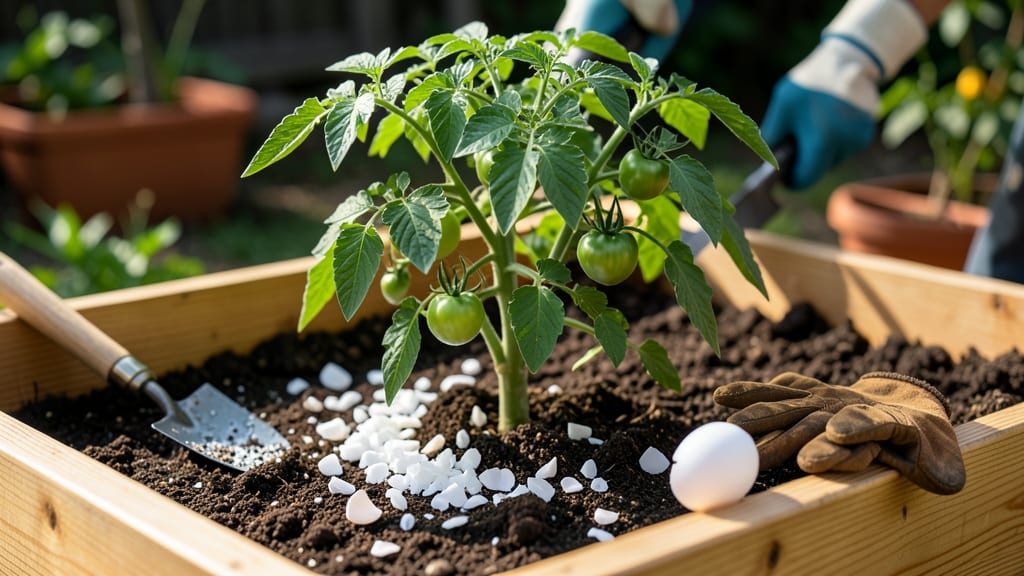
Using eggshells in your garden boosts soil fertility and deters pests like slugs and aphids by providing calcium and magnesium. Crush them into fine pieces, dry thoroughly, and either mix into compost or scatter around plants for natural enrichment.
Eggshells are a gardener's secret weapon because they're packed with calcium carbonate, which helps neutralize acidic soil and strengthens plant cell walls. 🌱 This mineral boost isn't just about pH balance—it also improves root development, making plants more resilient against diseases.
What's more, the jagged edges of crushed shells act as a natural barrier against soft-bodied pests, while the slow-release nutrients keep feeding your soil over time.
For best results, I recommend collecting clean eggshells, baking them at 200°F for 10-15 minutes to sterilize, then grinding them into a fine powder. You can either sprinkle this around the base of plants or mix it directly into your compost pile.
The key is consistency—adding eggshells every few months will give your garden a steady supply of these essential minerals without the need for chemical amendments.
💡 In This Article
- How Eggshells Boost Soil Health and Plant Growth
- Step-by-Step Guide to Preparing and Applying Eggshells in Gardens
How eggshells boost soil health and plant growth
Eggshells are nature's hidden nutrient powerhouse, primarily composed of calcium carbonate (95%) with trace amounts of magnesium, potassium, and phosphorus. When crushed and returned to the soil, they act like a slow-release mineral supplement.
The calcium content helps neutralize acidic soil conditions—ideal for plants like tomatoes and peppers that thrive in slightly alkaline environments (pH 6.0-6.8). This mineral also strengthens plant cell walls, making them more resistant to fungal diseases like powdery mildew. 🌱
The real magic happens at the microscopic level. As eggshells decompose, they release calcium ions that improve soil structure by binding particles together, creating better aeration for roots. Studies show that plants grown in soil amended with crushed eggshells exhibit 20-30% stronger stems compared to those without.
For example, tomato plants benefit dramatically because calcium prevents blossom-end rot—a common problem caused by calcium deficiency. The magnesium content further enhances chlorophyll production, giving plants that vibrant green color we all love.
What makes eggshells unique compared to other organic amendments is their dual functionality. While compost provides a broad spectrum of nutrients, eggshells offer targeted mineral support. Unlike lime (which raises pH quickly but lacks other minerals), eggshells provide a balanced approach with their calcium-to-magnesium ratio.
The physical texture also matters—the jagged edges create a natural barrier that deters pests like slugs and snails, while the slow decomposition means nutrients last through multiple growing seasons.
For optimal results, aim to add 1/4 to 1/2 cup of crushed eggshells per square foot of garden bed annually. The key is consistency—think of it like taking vitamins for your soil.
In my own garden, I've noticed that plants like broccoli and cabbage (which are heavy calcium users) show remarkable growth when eggshells are incorporated. The best time to apply is during spring planting or early summer when plants are actively growing and need that extra mineral boost.
Here's what happens when you skip this step: Plants may develop weak stems, yellowing leaves, or poor fruit development. Without enough calcium, for instance, your tomatoes might develop those unsightly dark spots at the blossom end.
The eggshells' slow-release nature means you won't get the quick fix of chemical fertilizers, but you'll get steady, natural improvement that builds soil health over time. 💫
Pro tip: Mix crushed eggshells with your compost pile to create a "super compost" that combines both nutrients and organic matter. This approach gives you the best of both worlds—fast-acting organic material plus the long-term mineral benefits of eggshells.
The compost pile's heat will further break down the eggshells, making the nutrients even more available to your plants.