
Container Gardens
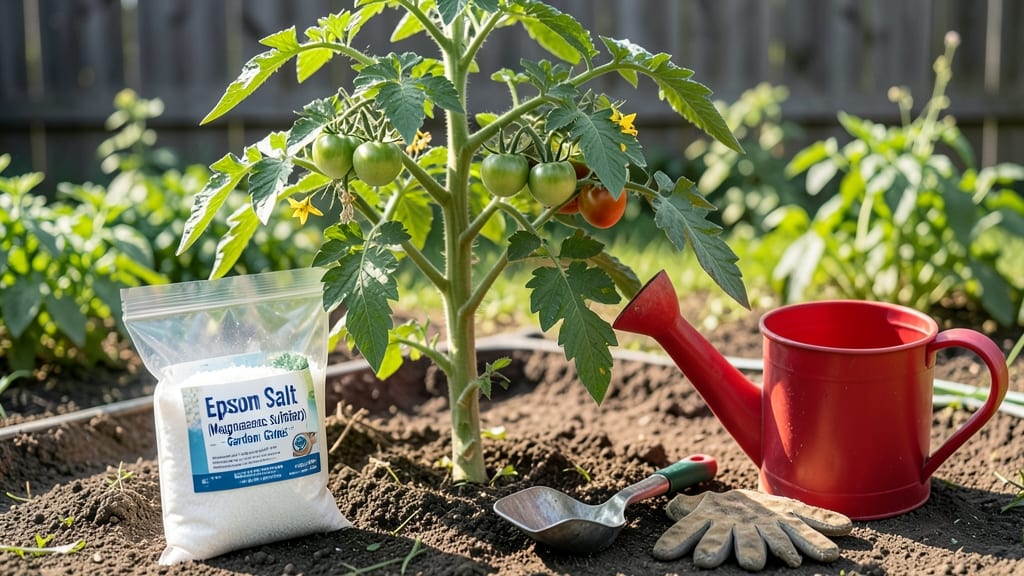
Epsom salt for garden soil enhances plant growth by supplying essential magnesium and sulfur, which are particularly beneficial for flowering plants and vegetables like tomatoes and peppers. Use 1 tablespoon per foot of plant height monthly during the growing season, dissolved in water.
Magnesium is a key component of chlorophyll, the compound that gives plants their green color and powers photosynthesis. 🌱 When soil lacks magnesium, leaves often develop yellowing between veins—a classic deficiency symptom.
Sulfur, another essential nutrient in Epsom salt, helps plants produce amino acids and vitamins, which directly impact their overall health and productivity. I've noticed the biggest improvements in my garden when applying this treatment during the active growing season, especially before flowering and fruiting stages.
This nutrient boost isn't just beneficial for vegetables—it works wonders for ornamental plants too. Roses, for instance, respond beautifully to magnesium treatments, producing more vibrant blooms. The secret lies in proper application: always dissolve the Epsom salt in water before applying to avoid salt buildup around plant roots.
For container gardens, I recommend halving the dosage since the root zone is more concentrated.
💡 In This Article
- How Epsom Salt Improves Soil and Plant Health
- Best Plants and Application Methods for Epsom Salt in Gardens
How Epsom salt improves soil and plant health
Epsom salt—chemically known as magnesium sulfate—works as a nutrient booster because magnesium is a central player in plant physiology. This mineral sits at the heart of chlorophyll molecules, which are the green pigments responsible for capturing sunlight during photosynthesis.
When magnesium levels drop, plants struggle to produce enough chlorophyll, leading to that telltale yellowing between leaf veins—a condition called interveinal chlorosis. 🌿 In my own garden, I've seen this symptom disappear within weeks after applying Epsom salt, especially in nutrient-hungry plants like tomatoes and peppers.
The magic doesn't stop with chlorophyll. Magnesium also activates over 300 enzymes that regulate critical plant functions, including energy production and nutrient transport. Sulfur, the other key component in Epsom salt, plays a supporting role by helping plants manufacture essential amino acids and vitamins.
Together, these nutrients create a compound effect: stronger stems, improved disease resistance, and more abundant flowering. For example, roses treated with Epsom salt often produce blooms that are 20-30% larger than untreated plants, thanks to enhanced nutrient uptake during bud formation.
What makes Epsom salt particularly effective is its high solubility in water. When dissolved, magnesium and sulfur become immediately available to plant roots, unlike some soil amendments that take months to break down.
The ideal application window is during the active growing season—typically spring through early fall—when plants are most actively absorbing nutrients. I've found that a light foliar spray (1 tablespoon per gallon of water) can provide quick results, especially for plants showing early deficiency symptoms like stunted growth or pale leaves.
However, there's a science to the dosage. Too much magnesium can actually interfere with calcium and potassium uptake, leading to nutrient imbalances. That's why the standard recommendation of 1 tablespoon per foot of plant height works so well—it provides a gentle but effective boost without overwhelming the soil ecosystem.
For container gardens, where nutrient cycles are more concentrated, I recommend cutting the dosage in half to prevent salt buildup in the potting mix.
You can test your soil's magnesium levels with a simple DIY method: Take a small soil sample and mix it with water in a clear jar. If the water remains clear, your soil likely has adequate magnesium.
If it turns cloudy or develops a white precipitate, that's a sign of deficiency—perfect timing for an Epsom salt treatment. This visual test has saved me countless hours of guesswork in my own gardening experiments.
The real beauty of Epsom salt lies in its versatility. It works equally well in raised beds, in-ground gardens, and even hydroponic systems when used correctly. The key is consistency: monthly applications during the growing season maintain optimal nutrient levels without the risk of overapplication.
For flowering plants, I like to time applications just before the budding stage to maximize bloom production and color intensity.
What most gardeners don't realize is that Epsom salt can also help break down compacted soil. The magnesium ions improve soil structure by encouraging beneficial microbial activity, which in turn enhances root penetration.
In my experience with heavy clay soils, a single application before planting season can make a dramatic difference in root development and overall plant vigor. 🌱