
Tools
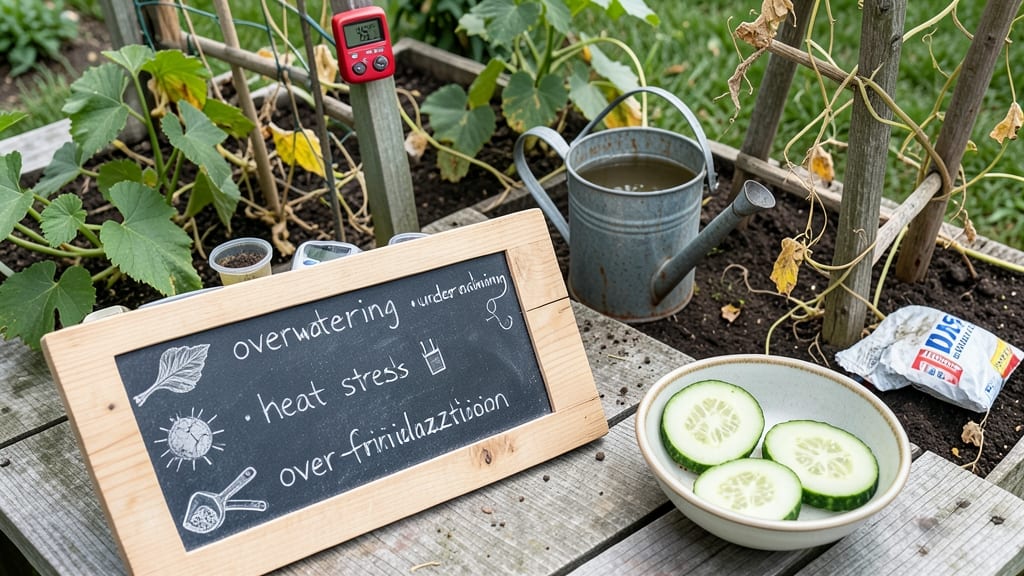
Your garden cucumbers 🥒 taste bitter because they’re either overripe, stressed, or not getting the care they need—and fixing it is simpler than you think.
Picture this: you’ve nurtured your vines all season, only to bite into a cucumber that tastes like soap or chalk. Frustrating, right? The good news? This isn’t a lost cause. Bitterness usually points to one of three culprits: waiting too long to harvest, inconsistent watering, or soil that’s off-balance.
In this guide, I’ll walk you through the most common reasons your cucumbers turn bitter—from heat stress to poor soil—and share quick fixes to bring back that crisp, sweet flavor. No more guessing whether to pick them green or wait longer.
You’ll learn how to adjust your watering schedule, amend your soil, and even choose the right cucumber variety for your climate. Let’s get those cucumbers tasting fresh again!
Top 5 reasons your garden cucumbers taste bitter (and how to fix them)
There’s nothing worse than biting into a cucumber you grew yourself—only to be hit with an unexpected bitter punch. This common issue frustrates even experienced gardeners, but the good news is that bitterness in cucumbers is almost always preventable.
The problem usually stems from overripeness, stress, or environmental factors that trigger the production of cucurbitacin, a natural compound that turns sweet cucumbers sour.
Before you toss out your harvest, let’s diagnose the real culprit. Most bitter cucumbers fall into one of five key categories—each with a simple fix. The first step is identifying which issue your plants are facing.
Are they overripe, underwatered, or struggling with heat stress? We’ll break down the top five reasons and give you actionable solutions to bring back that crisp, sweet flavor you love.
- 1 Overripeness – Cucumbers left too long on the vine develop cucurbitacin, a bitter compound. Harvest when they’re 4-8 inches long and firm, not waiting for "perfect" size.
- 2 Inconsistent Watering – Fluctuating moisture levels cause stress, triggering bitterness. Water deeply 1-2 inches per week, focusing on morning sessions to prevent fungal issues.
- 3 Heat Stress – Extreme temperatures (above 90°F) cause cucumbers to produce more bitter compounds. Use shade cloth or mulch to regulate soil temps and water more frequently during heatwaves.
- 4 Poor Soil Conditions – Nutrient deficiencies (especially nitrogen or potassium) lead to bitter flavors. Test your soil and amend with compost or balanced fertilizer (10-10-10) every 4-6 weeks.
- 5 Genetic Factors – Some heirloom varieties (like Armenian cucumbers) are naturally more bitter. Opt for slicing varieties like 'Straight Eight' or 'Marketmore' for milder flavors.
Now that you’ve identified the likely cause of your bitter cucumbers, let’s tackle the fixes. For overripe cucumbers, the solution is simple: harvest more frequently. Check your plants every 2-3 days and pick cucumbers when they’re firm and vibrant.
If you’ve missed the window, don’t worry—you can still use them in pickled dishes where bitterness is masked by vinegar.
If watering inconsistencies are the issue, adjust your routine immediately. Cucumbers need deep, consistent moisture—think of it like giving them a daily drink, not a quick sip.
Use a soaker hose or drip irrigation to deliver water directly to the roots, and always water in the early morning to reduce evaporation and fungal risks. A simple fix like this can make a world of difference in just a few days.
For heat-stressed plants, focus on shade and soil protection. Install a 30-50% shade cloth over your cucumber patch during peak afternoon heat, and apply a 2-inch layer of mulch to keep roots cool.
You can also harvest more aggressively during heatwaves—this reduces stress on the plant and encourages new, sweeter growth. If your cucumbers are already bitter from heat, try peeling and slicing them thinly to minimize the bitter skin.
When it comes to soil issues, a quick soil test can save you from guesswork. Aim for a pH between 6.0 and 6.8 and ensure your soil is rich in organic matter.
Work in compost or aged manure before planting, and side-dress with a balanced fertilizer every 4-6 weeks. If your soil is lacking, you’ll notice other signs like yellowing leaves or stunted growth, so address these alongside your bitter cucumber problem.
Finally, if you suspect genetics are to blame, consider switching to less bitter varieties next season. While some gardeners love the unique flavor of heirloom cucumbers, others prefer the milder, sweeter taste of hybrid varieties.
Try 'Sweet Success' or 'Diva' for a more predictable, flavorful harvest. And remember: even the best varieties need proper care to avoid bitterness, so combine variety selection with the other fixes we’ve discussed.
With these solutions in hand, you’re well on your way to growing cucumbers that are crisp, sweet, and free of bitterness. Start by addressing the most likely issue in your garden, and don’t hesitate to experiment with different varieties or care techniques.
Happy growing—and may your next cucumber slice be
How to harvest cucumbers at the perfect ripeness for sweet flavor
Harvesting cucumbers at the right time is the #1 secret to avoiding bitterness. Overripe cucumbers develop cucurbitacin, a natural compound that creates that unpleasant bitter taste. The key is to pick them when they’re firm, crisp, and vibrant—before they’ve had a chance to overmature on the vine.
Most gardeners make the mistake of waiting too long, thinking bigger cucumbers mean better flavor. But size isn’t everything—texture and color matter just as much. For example, English cucumbers should be 6-8 inches long with smooth, glossy skin, while slicing varieties often mature faster at 4-6 inches.
Always check your seed packet for variety-specific guidelines.
| Harvest Cue | Ideal Specification | Why It Matters |
|---|---|---|
| Size | 4-8 inches (varies by type) | Smaller = sweeter; larger = seed development and bitterness. |
| Color | Deep, even green (or variety color) | Pale or yellowing = overripe; dull = underripe. |
| Texture | Firm, smooth, glossy skin | Soft or wrinkled = too old; bumpy = disease risk. |
| Stem Test | Snaps easily when twisted | Resistant stems = underripe; mushy = overripe. |
To harvest, use a sharp pair of pruning shears or your fingers to gently twist the cucumber from the vine. Avoid cutting too close to the stem—leave about 1 inch of stem attached to prevent disease entry points.
Pro tip: Harvest in the morning after dew dries when cucumbers are coolest and crispest. This also reduces stress on the plant.
Once picked, store cucumbers in the crispest drawer of your fridge (usually the vegetable bin) to slow ripening. If you won’t use them within 3-5 days, consider pickling or fermenting them immediately—overripe cucumbers in storage will only get bitter faster.
For long-term storage, freeze them whole (peeled and sliced) in airtight bags for up to 8 months.
If you’re still getting bitter cucumbers after perfecting your harvest timing, check your watering habits or soil nutrients. Cucumbers need consistent moisture—fluctuations trigger bitterness. And remember: regular harvesting encourages more production. The more you pick, the more the plant focuses on new, sweet cucumbers!
With these tips, you’ll go from bitter disappointments to crisp, sweet victories in no time. Happy harvesting! 🌱🥒