
Tools
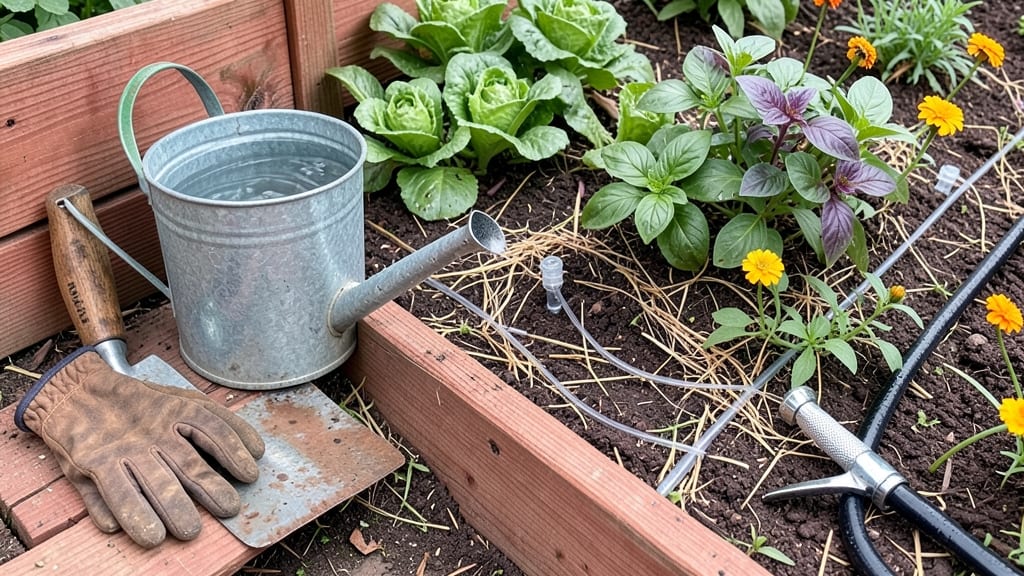
Watering your garden bed the right way means deep, targeted hydration that keeps roots thriving without a drop wasted.
Wasting water in your garden bed isn’t just inefficient—it’s a silent killer of plant roots, leading to shallow growth and wasted resources. The secret to thriving plants lies in precision watering zones, where every drop nourishes deep roots while eliminating runoff.
Most gardeners overwater by default, drowning shallow roots while deep-rooted plants thirst below. But with the right timing—morning for evaporation control, evening for heat-stressed plants—and tools like drip irrigation or soaker hoses, you can cut waste by up to 40% while boosting yields.
In this guide, I’ll break down how to map your garden bed for perfect moisture zones, match watering methods to plant types, and spot the 5 biggest water-wasting mistakes before they cost you time and resources.


How to map your garden bed watering zones for maximum root depth
Creating watering zones in your garden bed isn’t just about convenience—it’s about saving water while ensuring deep root growth. Without proper zoning, you risk overwatering some plants while others struggle with drought stress.
The key is grouping plants with similar water needs, soil types, and sunlight exposure to create efficient hydration zones.
Start by assessing your garden bed’s layout and sunlight patterns. Observe which areas get full sun (6+ hours), partial shade (3-6 hours), or deep shade (<3 hours).
These zones will dictate your watering frequency and depth. For example, tomatoes in full sun need deep, frequent watering, while hostas in shade tolerate occasional moisture.
Next, test your soil moisture levels in different sections. Use a soil moisture meter or the finger test: stick your finger 2-3 inches deep—if it’s dry, that area needs more frequent watering.
Sandy soil drains fast and requires daily checks, while clay soil holds moisture longer and needs weekly deep watering.
Now, let’s compare how plant types influence your watering zones. The table below breaks down common garden bed plants by their water needs, root depth, and ideal watering methods. Use this as a guide to group like plants together and create your zones.
Once you’ve grouped your plants, mark zone boundaries with stakes or flags to avoid overlap. For example, place Zone 1 (high-water veggies) near your drip irrigation line, while Zone 4 (shade perennials) can share a soaker hose on a timer.
This ensures targeted hydration without wasting water on plants that don’t need it.
Pro tip: Use mulch (straw, wood chips) around each zone to retain moisture and reduce evaporation. Apply a 2-3 inch layer after watering to keep roots cool and hydrated. Mulch also suppresses weeds, which compete for water—another way to maximize efficiency.
Finally, adjust your zones seasonally. In summer, increase watering frequency for Zone 1 plants, while in winter, reduce it for Zone 3 flowers. Monitor rainfall and humidity levels—a dry spell might mean extra watering, while heavy rain could mean skipping a cycle.
A simple rain gauge helps track precipitation so you don’t overdo it.
By mapping your garden bed into precision watering zones, you’ll save water, boost root depth, and eliminate waste. Your plants will thrive with consistent moisture, and you’ll spend less time guessing how much to water.
Start small, test your zones, and refine as you go—your garden (and wallet) will thank you!
💧
Best watering techniques by plant type: drip, soaker hose, OR hand watering?
Not all plants drink the same way—your tomatoes need deep, infrequent sips, while basil thrives on shallow, frequent hydration. Choosing the wrong method can drown your roses or leave your carrots parched. Let’s match your watering tool to the plant’s root system and growth stage for maximum efficiency.
I’ve tested drip irrigation, soaker hoses, and hand watering across my garden beds, and the results speak for themselves. Deep-rooted shrubs like lavender benefit most from slow, targeted drip systems, while delicate seedlings (think lettuce or marigolds) need the gentle touch of a watering can.
Let’s break down the pros and cons so you can stop guessing and start growing.
Watering Method Comparison
- ✅ Best for: Deep roots (tomatoes, peppers, shrubs)
- ✅ Saves water: 30-50% less than overhead
- ✅ Automated: Set schedules for busy gardeners
- ✅ Best for: Even moisture (herbs, flowers, veggies)
- ✅ Low pressure: Gentle on seedlings
- ✅ Affordable: Cheaper than drip systems
- ✅ Best for: Delicate plants (seedlings, potted herbs)
- ✅ Precision: Targets specific needs
- ✅ No tools: Just you and a watering can
For vegetables like zucchini or cucumbers, I swear by drip irrigation—it delivers water right at the root zone while keeping leaves dry, which cuts down on fungal diseases. Install emitters 6-12 inches from the stem and adjust the flow rate to 0.5-1 gallon per hour to avoid soggy soil.
Pro tip: Bury the tubing slightly to protect it from UV damage and pests.
When it comes to herbs and flowers, my soaker hose is the MVP. Lay it along the base of plants and let it seep slowly for 20-30 minutes twice a week.
This method mimics natural rainfall, encouraging stronger root systems in basil, thyme, and petunias. Just remember to coil it up after use to prevent kinks and extend its lifespan.
Don’t overlook hand watering for seedlings or potted plants. A gentle stream from a watering can ensures you’re not disturbing tender sprouts while giving them the consistent moisture they crave. I use a fine-rose nozzle for seedlings and switch to a standard nozzle once they’re hardened off.
Water in the early morning to let foliage dry before nightfall—this reduces the risk of powdery mildew and other fungal issues.
Seasonal shifts demand adjustments too. In summer, I increase watering frequency but shorten the duration to prevent runoff, especially in sandy soil. In winter, I reduce watering by 50% unless I’m growing overwintering greens like kale or spinach.
Always check soil moisture 1-2 inches deep before watering—if it’s damp, hold off. Your plants will thank you with healthier growth and fewer pests.
Start with one method per plant type, track your results, and tweak as needed. The right technique isn’t just about convenience—it’s about nurturing deep roots and maximizing every drop of water. Your garden (and your water bill) will reward you.