
Tools
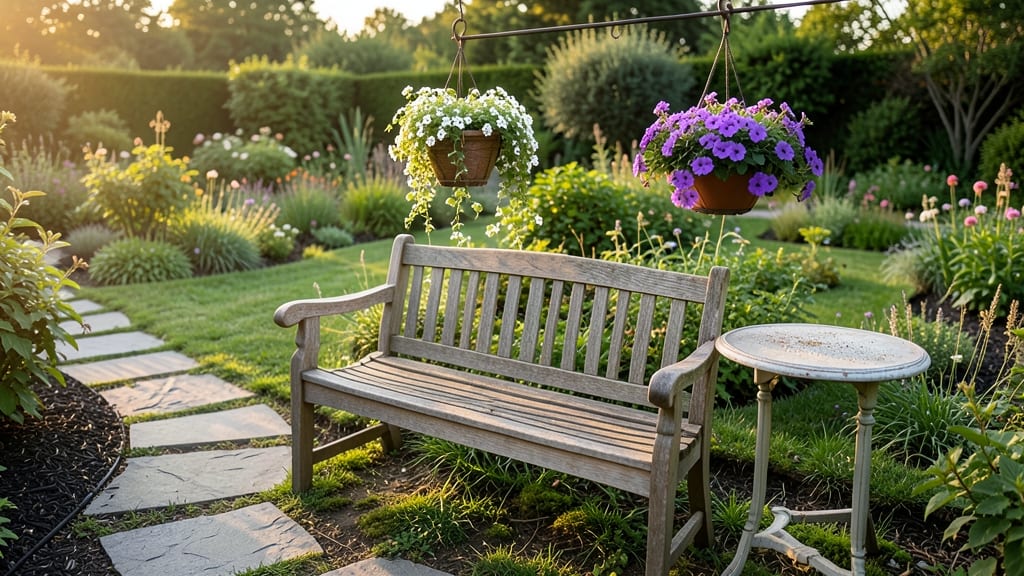
To find garden benches near you, visit local garden centers, home improvement stores like Lowe’s or Home Depot, or outdoor furniture shops. Options range from basic plastic benches for $50 to premium wood or metal designs over $300, depending on durability and style.
Your best bet for finding the perfect outdoor seating starts with local stores that let you inspect materials in person. 🌿 I always recommend visiting at least two places to compare wood grain, metal finishes, and build quality—some specialty shops even offer customization like built-in storage or weather-resistant coatings.
While big-box stores provide quick solutions, smaller retailers often carry unique designs that blend better with your garden's aesthetic.
Don't overlook online marketplaces either—many local artisans list on Etsy with handcrafted options that can't be found in stores. Just be sure to check shipping times and return policies before ordering, especially for heavy wood pieces.
For immediate needs, I suggest calling ahead to verify stock, as popular styles often sell out quickly during spring planting season.
💡 In This Article
- Best Materials for Outdoor Garden Benches
- Where to Buy Local Garden Benches Online and In-Store
Best materials for outdoor garden benches
Wood remains the gold standard for garden benches because of its natural beauty and durability, but not all woods perform equally outdoors. Teak, for example, contains natural oils that make it highly resistant to moisture, rot, and insects—ideal for humid climates.
A well-seasoned teak bench can last 20-30 years with minimal maintenance, though it requires occasional oiling to preserve its golden hue. Cedar, another top choice, has built-in rot resistance and a pleasant aroma, but it's softer than teak, so it may show scratches more easily over time.
Metal benches, particularly those made from powder-coated wrought iron or aluminum, offer unmatched longevity in extreme weather. These materials resist rust and warping, making them perfect for coastal areas where salt air accelerates corrosion.
A galvanized steel bench might start at $150, while wrought iron designs with intricate scrollwork can exceed $400. The trade-off? Metal conducts heat, so sitting on it during summer can feel uncomfortably warm unless you opt for cushioned seating.
For low-maintenance solutions, HDPE (high-density polyethylene) resin benches have surged in popularity. These plastic benches mimic wood grain patterns and won't fade, crack, or splinter, but they lack the warmth and character of natural materials.
A resin bench typically costs $80-$200 and requires no sealing or staining—just a hose-down to clean. The downside? They can feel slightly slick when wet and may not appeal to traditionalists who prefer the organic look of wood.
Consider your climate when choosing materials. In dry, sunny regions, cedar or redwood benches will age gracefully with a silvery patina, while rainy coastal areas demand teak or metal.
If you live in a high-humidity zone, pressure-treated pine might seem economical at $60-$120, but it requires annual sealing to prevent mold and rot. Pro tip: Always check the Janka hardness rating for wood benches—values above 1,200 lbf indicate excellent scratch resistance.
Don't overlook composite materials like recycled plastic lumber, which combines wood fibers with plastic for a maintenance-free option. These benches resist mold, insects, and warping, but they can develop hot spots in direct sunlight.
For a middle-ground solution, look for acacia or ipe wood, both of which have natural oils that make them nearly as durable as teak while offering a more affordable price point around $120-$250.
The key is balancing initial cost with long-term performance—what saves you money today might cost more in replacements tomorrow.
Here's a quick comparison of material lifespans under typical outdoor conditions:
- Teak: 20-30 years with proper care (occasional oiling)
- Cedar/Redwood: 15-25 years (naturally rot-resistant but softer)
- Wrought Iron: 25-40 years (powder-coated finishes last longest)
- HDPE Resin: 10-15 years (UV-resistant but may fade slightly)
- Pressure-Treated Pine: 5-10 years (requires annual sealing)
Ultimately, the best material depends on your priorities: budget, maintenance tolerance, and aesthetic preferences. If you want a bench that ages beautifully over decades, invest in teak or wrought iron.
For a hassle-free solution, resin or composite might be your best bet—just be prepared to sacrifice some natural charm. 🌿