
Tools
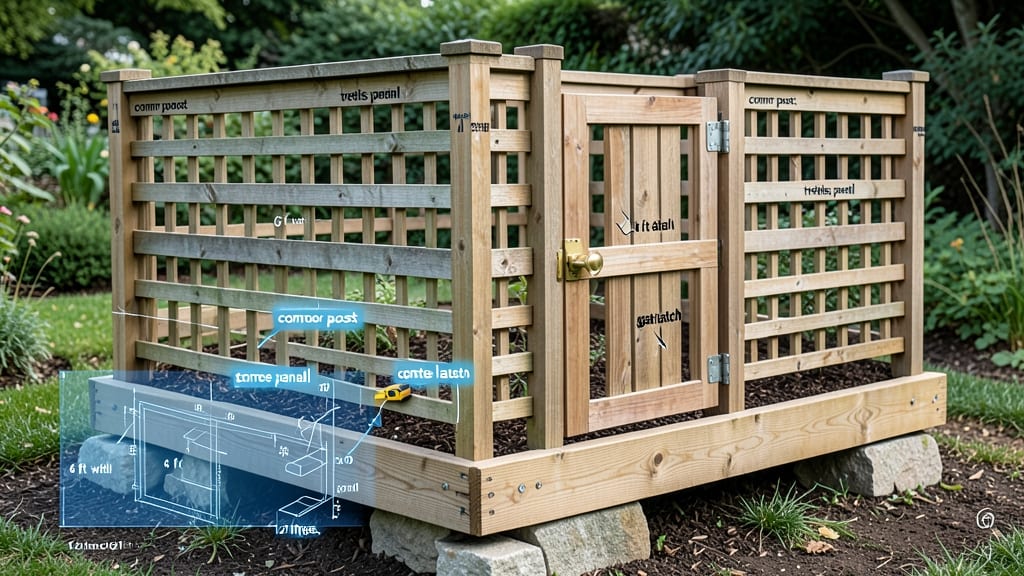
Garden enclosure plans help you design functional barriers that shield plants from wind, pets, and wildlife while making the most of limited outdoor space. Begin by measuring your area, selecting durable materials like wood or metal, and planning entry points for easy access. Many free blueprint templates include options for raised beds or vertical trellises to expand growing capacity.
Creating a garden enclosure isn't just about adding borders—it's about crafting a microclimate that works for your plants. 🌿 For example, a south-facing fence can trap heat for sun-loving herbs, while a sloped base prevents water pooling that could rot roots.
I've found that cedar resists rot better than pine in damp climates, but vinyl fencing lasts longer with minimal maintenance. The key is matching your materials to your local weather patterns, whether that means choosing pressure-treated wood for freeze-thaw cycles or opting for rust-resistant metal in humid areas.
Most free enclosure plans focus on three core functions: privacy, protection, and space optimization. You'll find templates for everything from simple picket fences to elaborate pergolas that double as shade structures.
For small yards, I recommend starting with modular designs—like those using recycled pallets—that let you adjust sections as your garden grows. Tools like a post-hole digger and staple gun are essential for DIY projects, but even basic materials can create effective barriers when arranged thoughtfully.
💡 In This Article
- Key Factors for Designing Effective Garden Enclosure Blueprints
- Free Garden Enclosure Blueprints for Small Yards and Privacy
Key factors for designing effective garden enclosure blueprints
When designing a garden enclosure, sun exposure is one of the most critical factors—especially for plants that thrive in warmth. A south-facing wall, for example, can absorb sunlight and radiate heat back into the garden, creating a 5-10°F warmer microclimate than open areas.
This is perfect for herbs like basil or oregano, which need consistent warmth to flourish. Conversely, north-facing enclosures stay cooler, ideal for shade-tolerant plants like lettuce or spinach.
The angle of your enclosure walls can also affect sunlight penetration; a 45-degree slope on the upper section maximizes light exposure while still providing privacy.
Drainage is another often-overlooked element that directly impacts plant health. Poor drainage leads to root rot, especially in clay-heavy soils. A sloped base with a 2-3% grade ensures water flows away from the enclosure, while adding a layer of gravel or landscape fabric at the bottom prevents soil compaction.
For regions with heavy rainfall, consider a French drain system along the perimeter—this buried perforated pipe redirects excess water away from plant roots. In arid climates, you might opt for a slightly concave base to collect and retain moisture for drought-resistant plants like succulents or rosemary.
Material selection hinges on your climate and maintenance preferences. Cedar, for instance, contains natural oils that repel rot and insects, making it ideal for humid areas where moisture accelerates decay.
A cedar fence can last 15-20 years with minimal treatment, compared to pine, which may need sealing every 2-3 years to prevent warping. For coastal areas with salty air, vinyl or aluminum enclosures resist corrosion far better than wood.
Even the fasteners matter—galvanized or stainless steel screws prevent rusting, which can stain and weaken wooden structures over time. The right materials can extend your enclosure’s lifespan by decades while reducing upkeep.
Structural integrity becomes especially important in windy regions. A lattice or trellis design, for example, allows wind to pass through while still providing shelter for delicate plants. For high-wind zones, consider a frame-and-panel system with diagonal braces—these triangular supports distribute wind forces more evenly than straight vertical posts.
In areas prone to hurricanes, reinforced concrete footings (buried 12-18 inches deep) anchor the structure to the ground. Even in mild climates, a flexible material like bamboo bends with the wind rather than snapping, making it a durable yet eco-friendly option for temporary or semi-permanent enclosures.
Climate-specific adjustments can make all the difference. In freezing regions, insulating the base with rigid foam board prevents frost heave—when soil expands and contracts, lifting and damaging the enclosure. For tropical climates, choose materials that resist fungal growth, like composite lumber or treated bamboo.
The enclosure’s height also matters: a 6-foot-tall fence blocks wind effectively, while a 4-foot-tall screen may suffice for lightweight privacy. Even the color plays a role—darker materials absorb more heat, while lighter ones reflect it, which can influence soil temperature by up to 15°F in extreme cases.
Finally, think about access and maintenance. A gate with a 30-inch-wide opening allows easy movement of gardening tools or wheelbarrows, while a lattice panel can be removed for seasonal adjustments.
For raised beds, ensure the enclosure’s height matches the bed’s dimensions to avoid gaps where pests or weeds can sneak in. The best designs balance aesthetics, function, and adaptability—so your garden enclosure grows with your needs, not against them. 🌱