
Landscaping
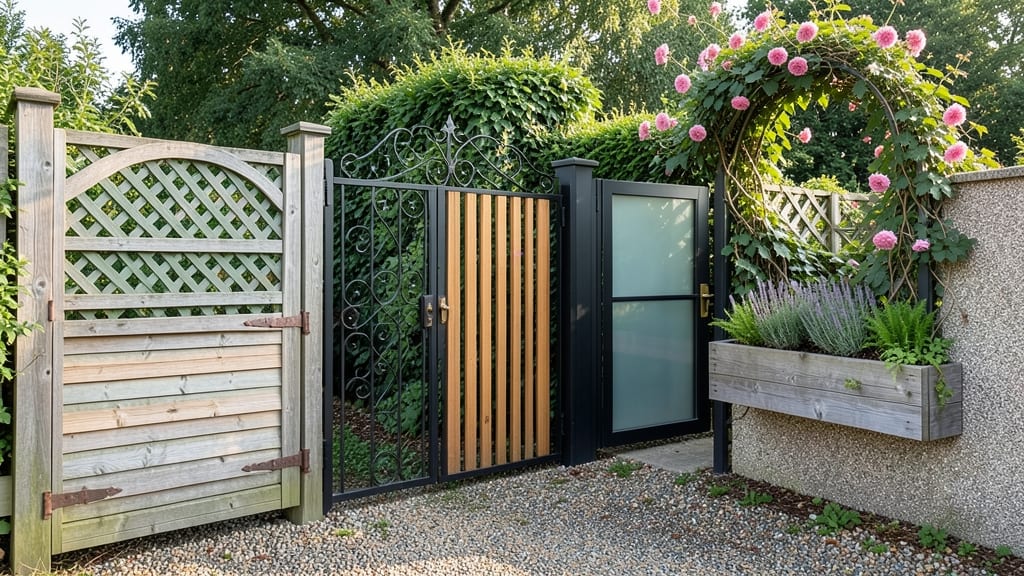
Garden fence gate ideas combine practicality with visual appeal, featuring durable materials like wood, metal, or vinyl to create secure entryways that enhance privacy and boost your property's curb appeal. Thoughtful designs such as picket, lattice, or arched gates serve both aesthetic and functional purposes, from pet containment to child safety.
When selecting garden fence gate ideas, the material you choose plays a crucial role in both longevity and style. 🌿 Wood offers timeless charm and natural insulation but requires regular maintenance, while metal gates provide sturdy security and modern aesthetics with minimal upkeep.
Vinyl gates, on the other hand, resist weather damage and come in various colors, making them ideal for low-maintenance solutions. The right design should complement your fence while addressing specific needs—whether it's maximizing space with a sliding gate or adding decorative elements like wrought iron scrollwork for a classic touch.
Beyond materials, consider how the gate's design integrates with your landscape. For example, arched gates create an inviting entrance, while lattice gates offer partial privacy without blocking views. If you have pets or children, opt for gates with secure latches and sturdy hinges.
The key is balancing form and function—whether you prioritize durability, ease of use, or sheer visual impact.
💡 In This Article
- Best Materials for Durable and Stylish Garden Fence Gates
- Design Trends for Functional and Attractive Garden Gates
Best materials for durable and stylish garden fence gates
Wood remains a top choice for garden gates because of its natural beauty and insulation properties. Cedar and redwood are particularly popular due to their resistance to rot and insects, making them ideal for outdoor use.
The grain patterns in wood add warmth to any landscape, while its ability to be painted or stained allows for endless customization. However, wood requires regular sealing every 2-3 years to maintain its durability, especially in rainy climates where moisture can cause warping or splintering.
Metal gates, particularly wrought iron or aluminum, offer unmatched strength and security. Wrought iron provides a classic, ornate look with intricate designs, though it needs occasional painting to prevent rust. Aluminum, on the other hand, is lightweight yet sturdy, resistant to corrosion, and requires minimal maintenance.
For privacy, metal gates can be paired with lattice panels or solid sheets, while their sleek lines complement modern or traditional fences equally well. The trade-off? Metal gates can be more expensive upfront, especially for custom designs.
Vinyl gates have surged in popularity for their low-maintenance appeal and weather resistance. They won’t warp, rust, or rot, making them perfect for areas with extreme temperatures or high humidity.
Vinyl comes in a variety of colors and textures, including wood-grain finishes that mimic the look of traditional materials without the upkeep. While they may lack the natural charm of wood, their durability and ease of cleaning—just soap and water—make them a practical choice for busy homeowners.
For pet owners, vinyl’s smooth surface is also easier to clean than wood or metal.
Durability isn’t the only factor—materials also impact privacy and security. Solid wood or metal gates provide maximum coverage, while lattice or picket designs offer partial visibility. If you live in a windy area, metal or vinyl gates hold up better than wood, which can sag over time.
For child safety, gates with secure latches and reinforced hinges are essential, regardless of material. The right choice depends on your climate, budget, and how much maintenance you’re willing to commit to.
Consider this comparison for clarity: A cedar gate might cost $300-$600 and require yearly sealing, while a wrought iron gate could range from $500-$1,200 but last decades with minimal care.
Vinyl gates typically fall in the $400-$800 range and offer the best balance of low maintenance and longevity. Each material brings its own strengths to your garden’s aesthetic and functionality.