
Tools
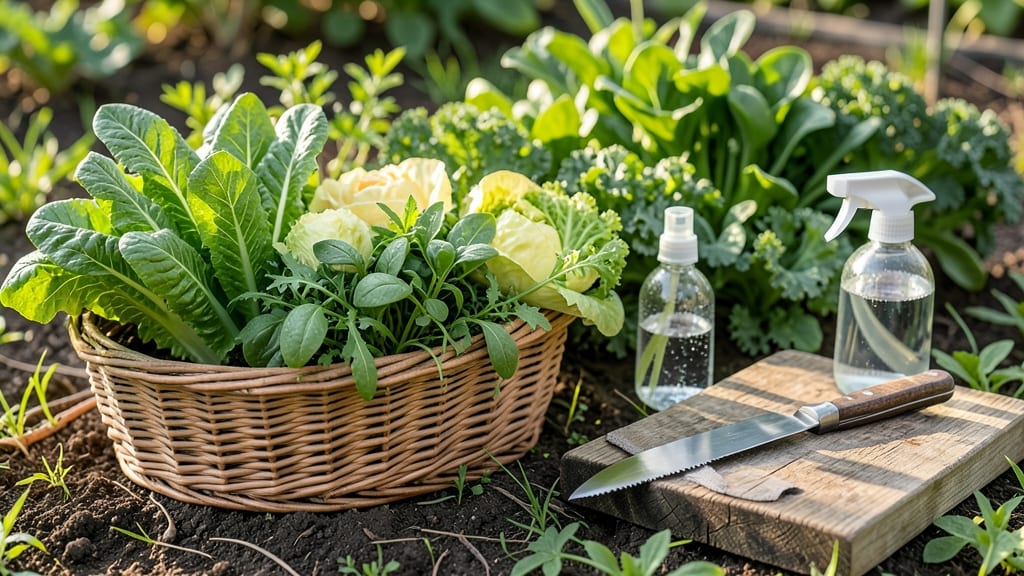
A garden fresh salad creates vibrant flavor by pairing tender homegrown greens like butter lettuce or baby spinach with crisp garden vegetables such as heirloom tomatoes, sliced cucumbers, and thinly shaved radishes, all finished with fresh basil and a homemade vinaigrette.
A garden fresh salad thrives on the perfect balance of textures and flavors you can't get from store-bought ingredients. 🌱 The key is selecting greens at their peak—young leaves stay crisp longer and hold up better to dressing.
I always harvest my salad ingredients in the early morning when they're cool and hydrated, which makes all the difference in that satisfying crunch.
For extra depth, try adding edible flowers like nasturtiums or a sprinkle of toasted pine nuts—these elevate a simple salad into a restaurant-worthy dish with minimal effort.
What sets homemade garden salads apart is how customizable they are. Unlike pre-packaged mixes, you can adjust flavors based on what's ready in your garden. Need something heartier? Swap in shredded kale or add sliced bell peppers.
Want it lighter? Stick to delicate arugula and cherry tomatoes. The beauty is in the flexibility—no two garden salads ever taste exactly alike, which is why they're so satisfying to prepare and eat.
💡 In This Article
- Best Homegrown Ingredients for a Crisp Salad
- Quick Assembly Tips for Perfect Garden Salads
Best homegrown ingredients for a crisp salad
The secret to a truly garden fresh salad lies in selecting ingredients at their peak ripeness and optimal texture. Leafy greens like butter lettuce, romaine, or baby spinach should be harvested when leaves are still tender and haven't developed bitter stems.
For maximum crunch, pick them in the morning when moisture levels are highest—this is when their cell walls are most hydrated, creating that satisfying snap.
Root vegetables like radishes and carrots should be harvested when they're firm to the touch but before they become woody, typically around 3-4 weeks for radishes and 60-70 days for carrots.
Herbs play a crucial role in elevating flavor without overpowering the delicate greens. Fresh basil, cilantro, or dill should be picked just before use when their leaves are vibrant and aromatic.
The key here is understanding how herbs contribute to flavor profiles: basil adds a sweet, slightly peppery note that pairs perfectly with tomatoes, while cilantro brings a bright citrusy contrast that works wonderfully with cucumbers. 🌿 What most people don't realize is that herbs continue to develop flavor after picking, so harvesting them in the morning gives you the most intense flavor—this is why garden fresh herbs always taste more vibrant than store-bought.
Vegetable selection makes all the difference in texture contrast. Cherry tomatoes should be firm but yield slightly to gentle pressure, indicating they're ripe but not overripe. Cucumbers should be crisp with a thin, edible skin—look for ones that feel heavy for their size, which means they're well-hydrated.
Radishes should be firm with a crisp snap when cut, and their skins should be smooth without cracks.
The ideal ratio for a balanced salad is about 60% greens, 25% vegetables, and 15% herbs, though this can vary based on personal preference and what's available in your garden.
Harvesting timing affects both flavor and texture. Most garden vegetables taste their best when harvested in the cool hours of morning or late evening. This is when their natural sugars are at their peak and their cell structures are most intact.
For example, arugula harvested in the morning will stay crisp for 5-7 days in the fridge, while afternoon harvesting can reduce that to just 3-4 days.
The same principle applies to tomatoes—morning-picked tomatoes develop a sweeter flavor because they've had time to cool overnight, which slows down the conversion of starches to sugars.
Don't overlook the power of color in your salad selection. A visually appealing salad typically includes at least three different colors: the deep greens of spinach or kale, the bright reds of cherry tomatoes, and the crisp whites or purples of radishes or cauliflower.
This color diversity not only makes the salad more visually appealing but also provides a wider range of nutrients. The red pigments in tomatoes contain lycopene, while the green chlorophyll in lettuce offers iron and vitamins.
This natural color palette is one of the hallmarks of a truly garden fresh salad that store-bought mixes can't replicate.
For those who want to take their garden salad to the next level, consider adding unexpected ingredients like edible flowers (nasturtiums or violets) for a delicate floral note, or thinly sliced fennel for its crisp, licorice-like flavor.
These additions create complex flavor profiles that make your salad taste like a gourmet dish. The key is to balance these special ingredients with the main components—typically no more than 10-15% of your total salad volume should come from these specialty additions.