
Blooming
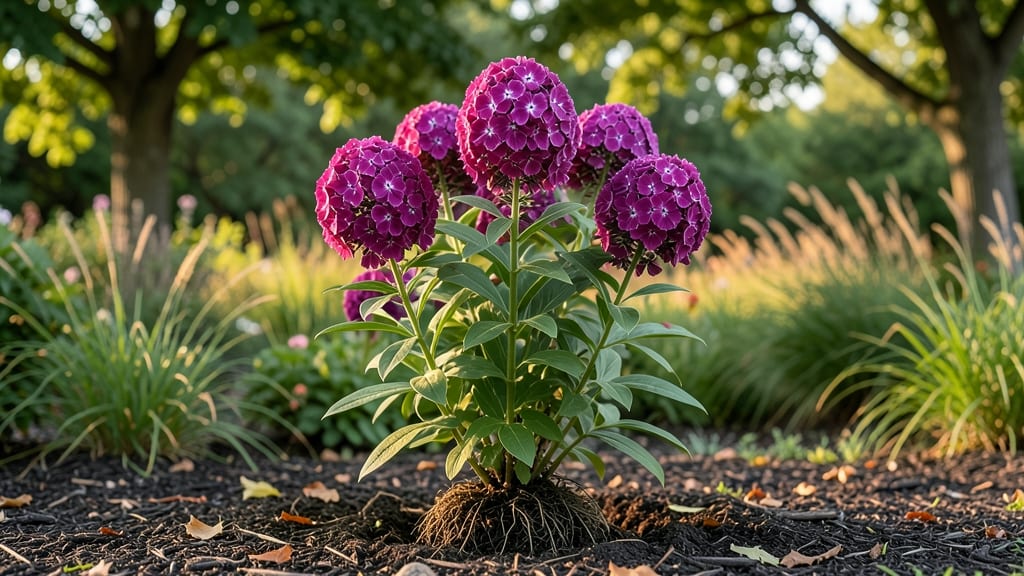
Garden phlox blooms in late spring to early summer 🌸, with timing that shifts depending on your variety and planting zone.
Picture this: you’ve waited all winter, and suddenly, your garden explodes with clusters of fragrant purple, pink, or white blooms. But here’s the catch—some varieties burst into color as early as May, while others wait until July, and your local climate plays a huge role.
In USDA Zone 6a, like many gardeners, you’ll likely see the first buds appear in early June, but cooler zones may delay blooms until late June or even July. Meanwhile, heat-loving varieties in warmer regions might start flowering as early as May, giving you a longer season of color.
Below, I’ll break down exactly when to expect blooms by variety, how to adjust for your zone, and five simple tricks to stretch your phlox’s flowering season from weeks to months.
When do garden phlox bloom? Variety-specific bloom times explained
Garden phlox is one of my favorite perennials for its vibrant clusters and sweet fragrance. But timing is everything—plant too early or late, and you might miss the peak bloom window that transforms your garden into a colorful paradise.
Most varieties bloom between mid-summer and early fall, but the exact timing varies by type and your USDA hardiness zone.
To predict when your phlox will burst into color, start by identifying your variety. Tall garden phlox like 'David' typically blooms first, followed by dwarf varieties such as 'Lipstick' and 'Blue Paradise'.
Late-season types like 'Jeanie' keep the show going until frost. Understanding these differences helps you plan for extended seasonal interest in your landscape.
Here’s a quick reference for the most popular phlox varieties and their bloom windows:
Tall varieties like 'David' often bloom first, starting in late June and lasting through August. Their height makes them perfect for back-of-border plantings, where they create a dramatic vertical accent. Look for buds forming along the stems in early summer as your first clue that blooms are coming soon.
Dwarf phlox varieties such as 'Lipstick' and 'Blue Paradise' follow closely behind, with blooms typically appearing in July. These compact plants are ideal for container gardens or edging flower beds. Their shorter stature also makes them less prone to wind damage compared to their taller cousins.
If you’re aiming for late-season color, 'Jeanie' is my top pick. This variety thrives in cooler temperatures and often continues blooming until early October in milder climates. The key to extending its bloom time is deadheading spent flowers regularly to encourage new growth.
Visual cues are your best friends when predicting bloom times. Watch for buds swelling along the stems—this usually happens 4-6 weeks before blooms appear.
For tall varieties, buds often form at the top of the stem first, while dwarf types may show buds along the entire length of the plant.
Color also plays a role in timing. Darker hues like deep purple or magenta tend to bloom slightly later than lighter shades. For example, 'Lipstick' with its bold magenta blooms often opens 1-2 weeks after lighter pink varieties.
This staggered blooming ensures your garden stays colorful for weeks on end.
Don’t forget that your local climate affects bloom times too. In warmer zones (7-10), phlox may start blooming as early as June, while in cooler zones (3-6), you might not see flowers until July or August.
Pay attention to your last frost date—phlox typically needs 60-90 frost-free days to reach full bloom.
Pro tip: If you want to extend your phlox season, try planting a mix of early, mid, and late-season varieties. This creates a continuous bloom display from June through October. For example, pair 'David
How planting zones affect phlox bloom time: a state-by-state guide
Your USDA planting zone is one of the biggest factors in determining when your garden phlox will bloom.
Cooler northern zones (like Zone 4-5) typically see blooms in late May to June, while warmer southern zones (like Zone 8-10) can enjoy flowers as early as March or April. Understanding these variations helps you choose the right varieties and plan for seasonal care.
Frost-sensitive phlox varieties (such as David phlox) thrive in Zones 4+ but may struggle in early spring frosts, while heat-tolerant types (like panicle phlox) perform best in Zones 7+.
By aligning your planting strategy with your zone, you can extend the blooming season and ensure your garden stays vibrant from spring through summer.
- Zones 3-5: Late May to early June (frost delays early blooms; choose hardy varieties like 'David')
- Zones 6-7: Mid-May to July (ideal for tall garden phlox; blooms align with peak summer color)
- Zones 8-9: March to May (early bloomers like 'Blue Paradise' thrive in mild winters)
- Zone 10+: February to April (heat-tolerant panicle phlox blooms year-round with proper care)
In cooler climates (Zones 3-5), gardeners can push blooms earlier by planting frost-hardy varieties in late spring (after the last frost date) and using row covers to shield tender shoots.
For example, 'Lipstick' phlox in Zone 4 may bloom 2-3 weeks later than in Zone 7 due to slower spring warming.
Warmer zones (Zones 8-10) offer a longer growing season, allowing for year-round blooms with careful selection. Panicle phlox, for instance, can rebloom in fall if deadheaded regularly. In these zones, focus on shade protection during peak summer heat to prevent wilting and extend the display.
To adjust bloom timing, consider container gardening in cooler zones—potted phlox can be moved indoors or to sheltered spots during cold snaps. In hotter zones, partial shade and consistent watering help maintain vibrant blooms.
For example, 'Blue Paradise' in Zone 9 may bloom 6 weeks earlier than in Zone 5 if planted in a north-facing bed.
Experiment with season-extending techniques like mulching, pruning, and companion planting to fine-tune bloom times. Whether you're in Maine (Zone 4) or Florida (Zone 10), these adjustments ensure your phlox stays showstopping all season long. 🌸