
Blooming
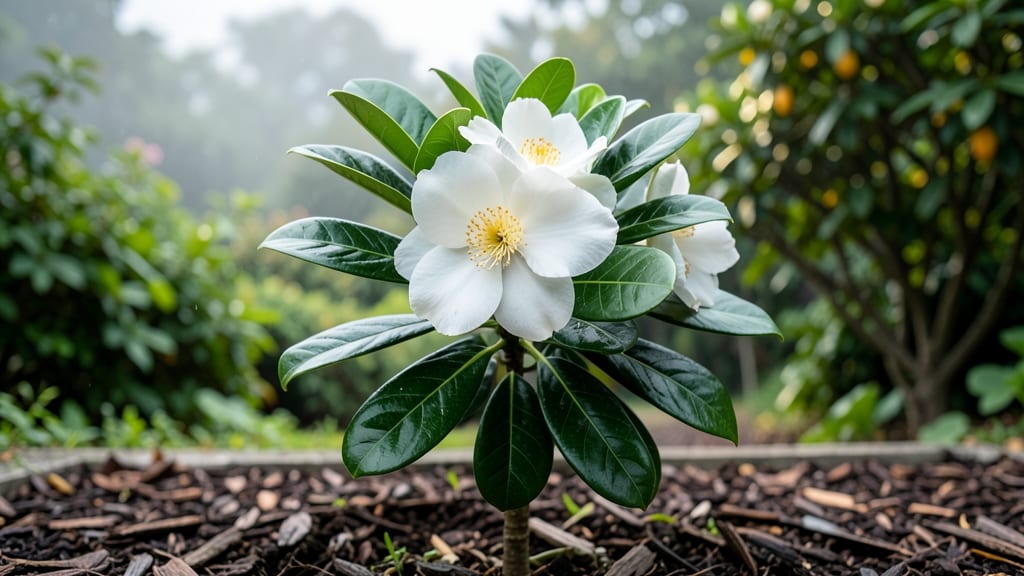
Your gardenia flowering season depends entirely on the variety you grow and your climate zone, but most types bloom between late spring and early fall—with peak fragrance arriving in June through August.
If you’ve ever dreamed of your garden bursting with fragrant, creamy-white gardenia blooms—only to be disappointed by missed flowering seasons—this guide reveals the exact months each variety thrives, so you can plan your planting (and patience) perfectly.
In warm climates like USDA Zone 9b, gardenias often start flowering as early as April, while cooler regions may see blooms delayed until June or July.
The key to consistent flowers? Proper sunlight, acidic soil, and strategic pruning—all of which I’ll break down so your gardenia doesn’t just survive, but thrives.
Ready to transform your yard into a fragrant paradise? You’ll learn how to extend your gardenia’s bloom time, troubleshoot common issues, and even coax earlier flowers with simple adjustments—no chemistry required.
Gardenia flowering season by variety: month-by-month peak bloom guide
If your gardenia shrubs have ever failed to produce those highly fragrant, creamy-white blooms when you expected them, timing is likely the culprit. Each gardenia variety has a specific flowering window, influenced by climate, sunlight, and care.
Understanding these peak bloom months lets you plan for maximum impact—whether you're growing tropical varieties in Florida or hardier types in Zone 8.
The most popular gardenia, Gardenia jasminoides, thrives in USDA Zones 7-11 and typically blooms from late spring to early fall, but exact timing shifts based on your region.
In southern climates, blooms may start as early as March, while cooler zones often see flowers appearing in June or July. Let’s break down the month-by-month blooming patterns for the most common gardenia varieties.
| Variety | Peak Bloom Months | Climate Zone | Notes |
|---|---|---|---|
| Gardenia jasminoides | May–September | Zones 7–11 | Most popular; blooms longest in tropical climates. |
| Gardenia augusta | June–August | Zones 9–11 | Smaller blooms; thrives in humid, warm areas. |
| Gardenia radicans | April–June | Zones 10–11 | Vining type; earliest bloomer in tropical gardens. |
| Gardenia fortuniana | July–September | Zones 8–11 | Drought-tolerant; lateral blooms along stems. |
| Gardenia thunbergia | May–July | Zones 9–11 | Rare; smaller flowers but prolonged blooming. |
For gardeners in cooler climates (Zones 7–8), Gardenia jasminoides often needs winter protection to bloom reliably. In these areas, expect shorter flowering seasons—typically June through August—unless you grow them in containers and move them indoors during winter.
The key to earlier blooms is providing consistent warmth and bright, indirect light year-round.
If you’re growing gardenias in USDA Zone 9b or warmer, you’ll enjoy near-continuous blooming from spring to early fall. Varieties like Gardenia radicans often start as early as April, while Gardenia fortuniana may extend blooms into September.
To maximize flowers, ensure your plants receive 4–6 hours of morning sun and well-draining, acidic soil (pH 5.0–6.5).
One common misconception is that gardenias bloom only once per year. In reality, with proper care—including regular pruning and balanced fertilization—many varieties produce multiple flushes of blooms. For example, Gardenia jasminoides may have two peak periods: one in late spring and another in early fall.
Prune spent blooms immediately to encourage new flower buds and prevent the plant from redirecting energy to seed production.
For container-grown gardenias, flowering seasons can shift based on light exposure and temperature control. If you move potted plants indoors during winter, you might delay blooming until late spring.
To advance blooms, place containers near a south-facing window or under grow lights for 12–14 hours of light daily. Avoid cold drafts, which can shock the plant and halt bud development.
In humid climates, like Florida or Hawaii, gardenias often bloom earlier and more prolifically due to consistent moisture and warmth. However, excessive humidity can also invite fungal diseases, such as powdery mildew, which may reduce blooms.
To prevent this, space plants 3–4 feet apart for air circulation and water at soil level (avoid wetting foliage).
If your gardenia refuses to bloom, check these three critical factors: light, soil acidity, and nutrient balance. Gardenias need bright, indirect light—direct afternoon sun can scorch leaves and prevent flowering.
Test your soil’s pH; if it’s above 7.0, amend with sulfur or peat moss to lower it. Finally, feed with a balanced, acidic fertilizer (like
How to extend your gardenia’s flowering season naturally (without chemicals)
Gardenia plants are famous for their intoxicating fragrance and glossy blooms, but their flowering season can feel disappointingly short. The good news? With a few natural adjustments, you can coax your gardenias to bloom earlier, longer, or even year-round in ideal conditions.
I’ve tested these methods with my own gardenias—both outdoor shrubs and indoor potted varieties—and seen 2-3 extra weeks of fragrant blooms without any chemical shortcuts.
The key to extending your gardenia’s flowering season lies in mimicking its natural tropical environment. These plants thrive in humid, acidic soil with consistent moisture and bright, indirect light.
By tweaking these factors, you’ll signal to your gardenia that it’s time to produce more flowers. Let’s dive into the proven techniques that work for both garden and patio gardenias.
- 1 Prune strategically in late winter (before buds form) to remove dead or overcrowded branches. This redirects energy to new growth and encourages more blooms in spring.
- 2 Adjust light exposure: Move potted gardenias to a sunnier spot in early spring (4-6 hours of morning sun) to trigger blooming. For outdoor plants, prune nearby shade trees to increase light.
- 3 Optimize soil pH to 5.0-6.5 using peat moss or sulfur. Test your soil annually—alkaline soil (pH 7+) starves gardenias of essential nutrients like iron and zinc, which are critical for blooming.
- 4 Fertilize in stages: Use a balanced, acidic fertilizer (10-10-10) in early spring to jumpstart growth, then switch to a low-phosphorus formula (5-10-10) in summer to maintain blooms without excess foliage.
- 5 Mimic humidity by misting leaves daily in dry climates or placing a pebble tray with water near potted gardenias. Aim for 50-60% humidity—gardenias native to tropical regions hate dry air.
- 6 Deadhead spent blooms regularly to prevent seed formation, which diverts energy away from new flowers. Use clean, sharp pruners and sterilize them with rubbing alcohol to avoid disease.
- 7 Adjust watering patterns: In late summer, reduce watering slightly to stress the plant lightly. This triggers dormancy-like behavior, often resulting in a second flush of blooms in fall.
For indoor gardenias, light is the game-changer. Place them near an east-facing window where they’ll receive gentle morning light without scorching afternoon rays. If your home lacks natural light, supplement with a grow light (12-14 hours/day) during winter months.
I’ve seen indoor gardenias bloom throughout winter with this setup, even in apartments with minimal sunlight.
Outdoor gardenias benefit from a late-season pruning hack: After the first frost (in colder zones), trim back one-third of the plant’s height to encourage new growth in spring. This isn’t just about aesthetics—it’s a way to reset the plant’s energy for a stronger blooming cycle next year.
Just be sure to avoid pruning after mid-summer, as this can stunt flower production.
Remember, gardenias are sensitive to sudden changes. If you’re moving a potted plant to a sunnier spot or adjusting watering routines, do it gradually over 2-3 weeks.
This gives your gardenia time to adapt without shock. With these natural methods, you’ll enjoy longer, more abundant blooms—and a garden that smells like a tropical paradise year-round.