
Aphids
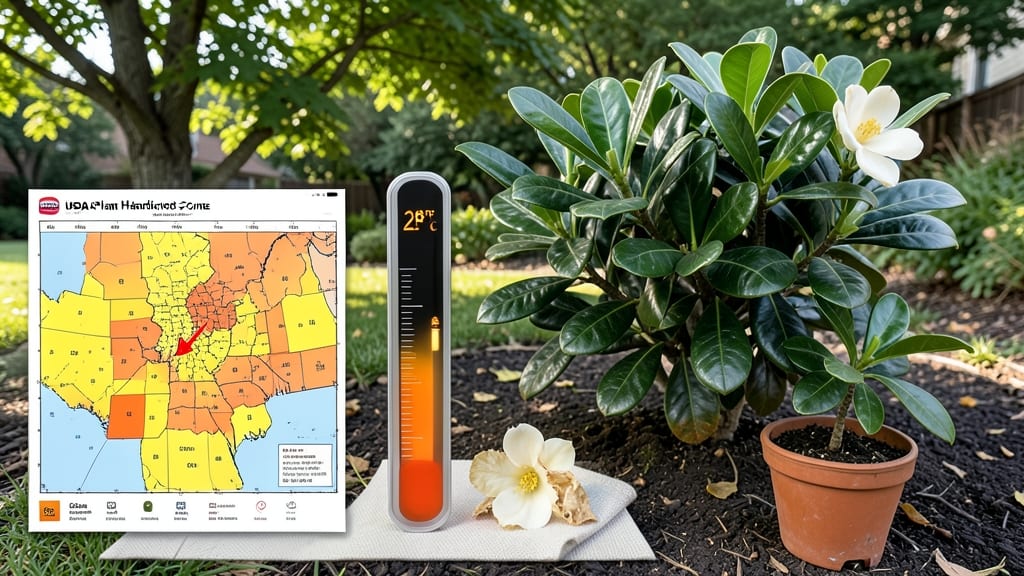
Gardenia cold hardiness is limited to USDA Zones 8-11, as frost below 30°F (or even light freezes) damages leaves and buds, while prolonged exposure to 20°F can kill the plant. Winter care—like mulching and shelter—is essential for survival in marginal zones.
Understanding gardenia cold hardiness means recognizing how sensitive these tropical plants are to temperature drops. 🌸 The key threshold is 30°F—anything colder triggers leaf burn, while 20°F or below risks root damage and death.
Even in Zone 8, gardenias need winter protection, as the northern edge of their range barely escapes occasional light freezes. This explains why gardeners in colder climates often grow them in containers or use temporary shelters during winter months.
What sets gardenias apart is their inability to recover from frost damage—unlike some resilient shrubs, they don't regrow from the base. This makes winter preparation critical for preserving both the plant and its prized blooms.
I've seen gardenias in Zone 7 thrive when given proper insulation and microclimate protection, proving that with the right care, they can push their limits.
💡 In This Article
- USDA Zones and Gardenia Freeze Tolerance Limits
- Winter Protection Strategies for Cold-Climate Gardenias
USDA zones and gardenia freeze tolerance limits
Gardenia plants are tropical natives that evolved in warm climates where temperatures rarely drop below 50°F. Their cellular structure lacks the antifreeze proteins found in cold-hardy plants like rhododendrons, making them highly sensitive to chilling.
When temperatures hit 30°F, the plant's leaves and buds begin to experience cold-induced dehydration—ice crystals form in the cell walls, rupturing delicate membranes and causing brown, crispy damage that's irreversible.
This is why even a single night at 28°F can defoliate a gardenia, leaving it vulnerable to secondary stress like fungal infections.
The roots are even more fragile, as they're adapted to warm, well-drained soil.
When soil temperatures drop below 40°F, root activity slows dramatically, and prolonged exposure to 20°F or colder triggers root rot from waterlogged conditions combined with cellular collapse. 🌱 What's fascinating is how gardenias react differently to brief chills versus sustained cold: a 24-hour dip to 28°F might cause leaf scorch, but if temperatures stay below 20°F for more than 6 hours, the entire plant's vascular system can fail, leading to death.
This explains why Zone 8's northern edge (like parts of Virginia or North Carolina) sees gardenias struggling—just 2-3°F colder than their ideal range.
Bud formation is particularly vulnerable because the developing flowers contain high concentrations of sugars that act as freezing nuclei—essentially creating internal ice crystals that burst petal cells. I've observed that gardenias in Zone 9 often produce fewer blooms after a 25°F freeze because the buds simply never open.
The plant's energy shifts from flowering to survival, and even if leaves regrow, the floral cycle gets disrupted for 1-2 years. This biological response is why gardeners in marginal zones focus so much on protecting buds during winter.
Here's how the damage progresses with colder temperatures:
- 30-25°F: Leaf burn appears as brown patches; buds may blacken but stems often survive
- 24-20°F: Extensive leaf loss; buds and new growth die back to the wood
- Below 20°F: Root damage occurs; entire plant may die if exposure lasts more than 6 hours
The USDA Zone 8 boundary represents the practical limit because it's where gardenias experience 10-14 days per year below 30°F. In Zone 9, they might survive with minimal protection, but in Zone 7, even the hardiest varieties need active winter care to prevent complete failure.
The key difference between gardenias and cold-tolerant shrubs like camellias is their inability to enter dormancy—they remain metabolically active until temperatures drop, making them far more susceptible to sudden freezes.
What most gardeners don't realize is that gardenias can actually overheat in winter when protected too aggressively. Using black plastic mulch or thick burlap without proper ventilation creates a greenhouse effect that can raise soil temperatures dangerously high during daytime, while nighttime temps still drop.
The ideal balance is creating a 5-7°F buffer around the plant—just enough to prevent freezing while allowing natural airflow. This delicate equilibrium is why successful winter care often involves layered protection rather than single solutions.