
Container Gardens
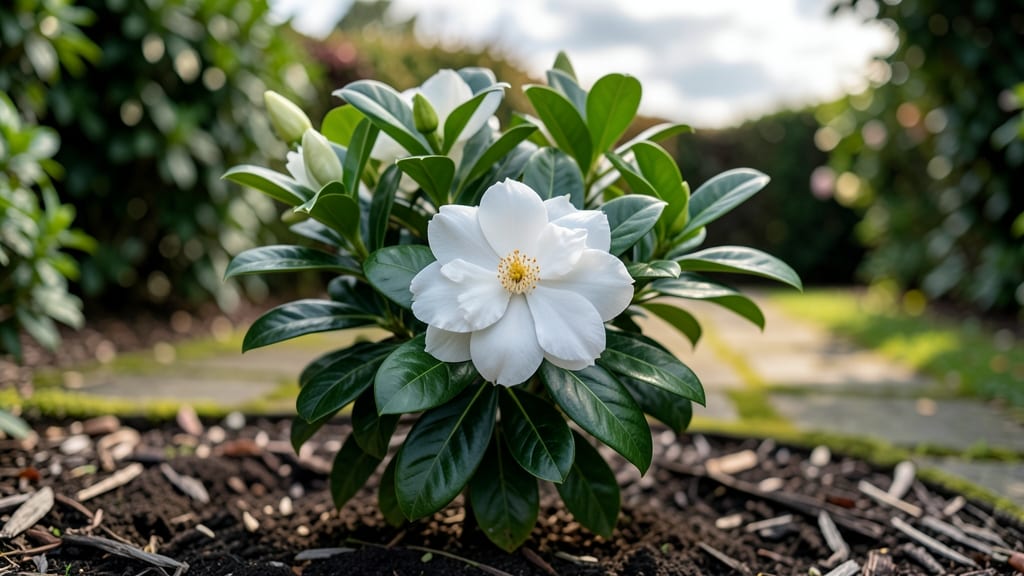
Gardenias thrive best in USDA growing zones 7 through 11, where they bask in warmth and bloom with intoxicating fragrance 🌸.
If you’ve ever planted one only to watch the buds shrivel before opening—or worse, see the leaves crisp in a surprise frost—you’re not alone. The right zone isn’t just about temperature; it’s about humidity, sunlight, and even soil acidity working together.
In this guide, I’ll break down the exact zones where gardenias flourish, how to protect them in cooler climates, and the simple tweaks that turn struggling plants into fragrant showstoppers.
You’ll learn which varieties handle colder snaps, how to adjust soil pH for peak blooms, and the one sunlight trick that keeps your gardenia flowering year-round—no matter where you live.
USDA growing zones for gardenias: where to plant for best fragrance
If you’ve ever dreamed of filling your garden with the intoxicating scent of gardenias, you’re not alone—but location matters. These tropical beauties thrive in USDA zones 7-11, where warm climates and high humidity create ideal conditions.
Planting outside these zones without adjustments often results in stunted growth or no blooms at all. Let’s break down the perfect zones and how to adapt for marginal climates.
Gardenias are heat-loving shrubs that despise cold snaps below 20°F (-6°C). In zones 7-11, they flourish year-round, but gardeners in cooler zones (like 6 or below) can still grow them with protective strategies.
Meanwhile, tropical zones (10-11) require shade adjustments to prevent leaf scorch. Let’s dive into the specifics so you can choose the right spot for your fragrant gardenia.
🌱 Key Takeaway: Gardenias need consistent warmth, acidic soil, and partial shade to thrive. The wrong zone can mean weak stems, sparse blooms, or even death.
| USDA Zone | Temperature Range (°F) | Ideal Conditions | Winter Care | Fragrance Potential |
|---|---|---|---|---|
| Zones 7-8 | 20-30°F (-6 to -1°C) | Humid, partial shade; morning sun | Mulch heavily; wrap young plants | High (full blooms) |
| Zones 9-10 | 30-40°F (-1 to 4°C) | Tropical humidity; afternoon shade | Minimal care; prune lightly | Very High (year-round blooms) |
| Zone 11 | 40°F+ (4°C+) | High humidity; dappled shade | None; protect from salt spray | Exceptional (non-stop blooms) |
| Zones 5-6 (Microclimates) | Below 20°F (-6°C) | South-facing walls; containers | Bring indoors; heavy mulch | Moderate (seasonal blooms) |
In zones 7-8, gardenias perform exceptionally well with proper winter protection. I’ve seen gardeners in zone 7b (like Atlanta or Raleigh) grow gardenias outdoors year-round by using thick mulch and burlap wraps during cold snaps.
The key is to insulate the roots while still allowing airflow to prevent fungal issues.
For zones 9-10, the focus shifts to heat management. Gardenias in Florida or Southern California need afternoon shade to avoid leaf burn. I recommend planting them near deciduous trees or using shade cloth during peak summer months.
In these zones, gardenias can bloom year-round if given the right conditions.
If you’re in zone 11, you’re in a gardener’s paradise for gardenias! These plants thrive in tropical climates like Hawaii or Southern Florida, where they produce continuous, fragrant blooms.
However, watch out for salt spray near coastlines—it can damage leaves. Regular pruning and acidic fertilizer will keep them lush and flowering.
Gardeners in zones 5-6 often give up on gardenias too soon, but with microclimate tricks, you can still grow them. I’ve grown gardenias in zone 6a (like Chicago) by planting them in large containers and moving them to a sunny porch in winter.
Another trick is to place them near south-facing walls, which absorb heat and radiate it back to the plant.
One common mistake is assuming all gardenias are the same. Some varieties, like ‘Kleim’s Hardy’, are bred to tolerate colder temperatures down to 15°F (-9°C). If you’re in a marginal zone, look for cold-hardy cultivars—they’re your best bet for success without constant winter care.
To maximize fragrance, ensure your gardenia gets 4-6 hours of morning sun and afternoon shade. In hotter zones (10-11), too much direct sun can cause leaf scorch, while cooler zones (7-8
How to extend gardenia growing zones: cold-hardy varieties and protection tips
If you love the intoxicating scent of gardenias but live in USDA zones 5-6, don’t give up hope! While traditional gardenias thrive in zones 7-11, cold-hardy varieties and smart protection strategies can help you grow these fragrant beauties even in colder climates.
With the right approach, you can enjoy blooms that fill your garden with sweet perfume year after year.
The key to success lies in selecting hardy gardenia varieties like Gardenia jasminoides ‘Kleim’s Hardy’—a cold-tolerant cultivar that can survive temperatures down to 10°F. Pair this with protective measures like mulching, winter wrapping, and container growing, and you’ll extend your gardenia’s growing zone by several degrees.
Let’s explore the best methods to keep your gardenias thriving in cooler climates.
Extending Gardenia Growing Zones: Pros and Cons
| Method | Pros | Cons |
|---|---|---|
| Cold-Hardy Varieties | Survive 10°F temps; less maintenance | Limited bloom size; slower growth |
| Mulching | Insulates roots; retains moisture | Requires annual renewal; may attract pests |
| Winter Wrapping | Protects foliage; extends growing season | Time-consuming; may limit airflow |
| Container Growing | Portable protection; easy to move | Requires frequent watering; limited root space |
Start by choosing the right cold-hardy gardenia variety. ‘Kleim’s Hardy’ is the gold standard for zones 5-6, but you can also try ‘Radicans’ or ‘Veitchii’ for slightly milder winters. These varieties are bred to withstand colder temperatures, making them ideal for northern gardeners.
Plant them in well-draining, acidic soil (pH 5.0-6.5) and place them in a location with morning sun and afternoon shade to prevent stress.
To further protect your gardenias, apply a 3-4 inch layer of mulch around the base of the plant in late fall. Use pine bark or pine needles to keep the soil acidic and insulate the roots from freezing temperatures.
This simple step can raise the soil temperature by 5-10°F, giving your gardenia a fighting chance in harsh winters. Replenish the mulch annually to maintain its effectiveness.
For extra protection, wrap your gardenia in burlap or frost cloth once temperatures drop below 25°F. Secure the wrapping tightly around the plant and remove it in early spring once the threat of frost has passed.
Alternatively, grow your gardenia in a large container and move it to a sheltered location, like a garage or sunroom, during the winter months. This portable approach gives you complete control over the plant’s environment.
Remember, gardenias are acid-loving plants, so always use acidic fertilizers and avoid lime or alkaline amendments. With the right variety, protective measures, and consistent care, you can enjoy fragrant gardenias even in USDA zones 5-6.
Your garden will thank you with lush foliage and show-stopping blooms all season long! 🌸