
Flowers
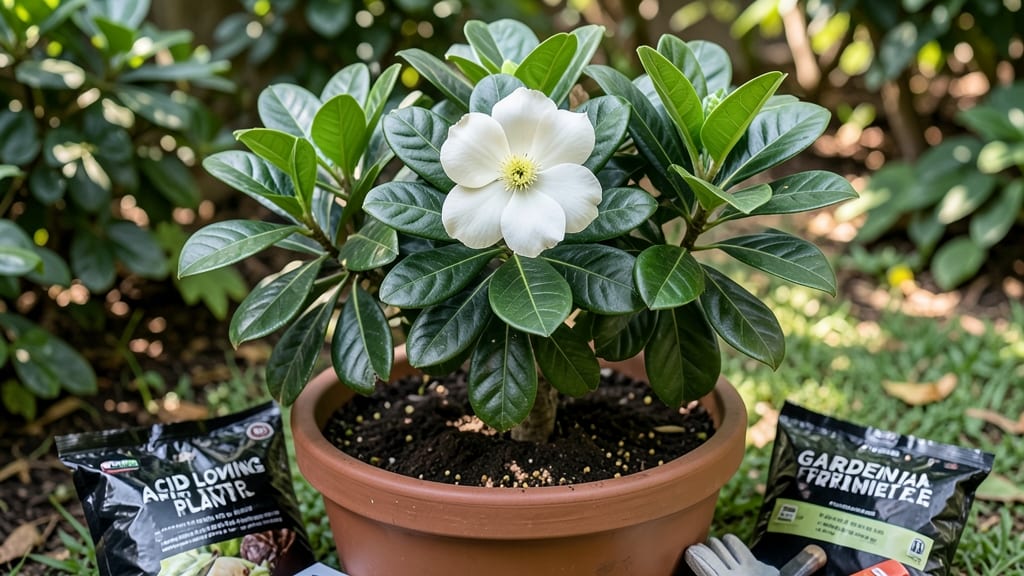
The right gardenia flower fertilizer is the key to those fragrant, show-stopping blooms 🌸 that make your garden smell like a tropical paradise.
Struggling to get your gardenia flowers to bloom with their signature intoxicating fragrance? The secret lies in feeding them the right fertilizer at the right time—because these acid-loving beauties demand precision.
Most gardeners overlook the importance of soil pH and nutrient balance, which means their gardenias either produce sparse blooms or none at all. The good news? With the right acidic fertilizer and a smart feeding schedule, you can transform a lackluster shrub into a fragrant powerhouse.
In this guide, I’ll walk you through the best fertilizer types, the perfect feeding timeline, and how to avoid common mistakes that kill blooms—so you can enjoy those heavenly gardenia flowers all season long.
Best acid-loving fertilizers for gardenia flowers (pH, nutrients & application)
Gardenia flowers thrive when fed with the right acid-loving fertilizers, which mimic their natural tropical soil conditions. These plants crave low pH levels (5.0-6.5) and high phosphorus to fuel their iconic blooms. Without the proper nutrients, you’ll see fewer flowers and yellowing leaves—even if you’re watering and pruning correctly.
The key is choosing fertilizers that deliver iron, magnesium, and nitrogen in the right balance while keeping the soil acidic.
I’ve tested both organic and synthetic fertilizers over the years, and gardenias respond best to a mix of slow-release options and quick-boost feeds. For example, iron sulfate corrects chlorosis (yellow leaves) instantly, while peat moss improves soil acidity over time.
Citrus-based feeds also work wonders because their natural acidity aligns perfectly with gardenia needs. Let’s break down the best options and how to apply them for maximum blooms.
⚠️ Critical Note: Always test your soil’s pH before fertilizing. Gardenias hate alkaline soil, and even the best fertilizer won’t help if the pH is too high. Use a soil test kit (available at garden centers) to check levels—aim for 5.0-6.5. If your soil is too alkaline, amend it with sulfur or pine needles before applying fertilizer.
For new gardenia plants, start with a light feeding of fish emulsion or a diluted citrus-based fertilizer. Young roots are sensitive, so avoid heavy doses until the plant establishes (usually after 6-8 weeks).
I recommend mixing 1 tbsp of fish emulsion into a gallon of water and applying it as a foliar spray or soil drench. This gives a gentle nutrient boost without overwhelming the plant.
Once your gardenia is 1-2 years old, switch to a balanced acid-loving fertilizer like an azalea mix (10-6-8 NPK ratio). The high phosphorus encourages more blooms, while the sulfur keeps the soil pH in check. Apply this every 6-8 weeks during the growing season (spring through early fall).
In late summer, taper off fertilizing to let the plant prepare for winter. Over-fertilizing at this stage can lead to salt buildup and burned roots.
If your gardenia’s leaves turn yellow between the veins, it’s a classic sign of iron deficiency, even in acidic soil. In this case, iron sulfate is your best friend.
Mix 1 teaspoon of iron sulfate into a gallon of water and spray it directly on the leaves (avoid the flowers). Repeat every 2-3 weeks until the yellowing stops. For prevention, add chelated iron to your regular fertilizer routine—it’s absorbed more efficiently.
Another pro tip: Mulch with pine needles or oak leaves after fertilizing. This not only retains moisture but also slowly acidifies the soil over time. I’ve seen gardenias in containers thrive when I repot them with a mix of 50% peat moss, 30% pine bark, and 20% perlite.
This blend keeps the roots happy and the pH just right for blooming.
Finally, avoid synthetic fertilizers high in salt, like some granular lawn feeds. These can burn gardenia roots and disrupt the soil’s acidity. Always choose acid-loving formulations labeled for azaleas, camellias, or rhododendrons—they’re designed for plants with the same pH needs.
With the right fertilizer and a little patience, your gardenia will reward you with fragrant blooms that last from summer into fall.
Gardenia fertilizer schedule: monthly feeding plan for year-round blooms
Your gardenia’s fragrant blooms depend on a precise fertilizer schedule that matches its growth cycle. Since these acid-loving shrubs thrive in spring and summer, feeding them too much—or at the wrong time—can stunt blooms or burn roots.
The key is seasonal adjustments: heavy feeding in bloom season, light maintenance when buds form, and a complete rest in winter.
For new gardenias (first year), cut fertilizer doses in half to avoid shock. Established plants (2+ years) can handle full strength, but always use an acid-loving formula with high phosphorus (like 6-10-10 or azalea mix). Apply fertilizers in early morning to prevent fungal issues from evening moisture.
🌿 Monthly Gardenia Fertilizer Guide
- March: Light feed (½ dose) to wake roots—ideal for bud formation.
- April–May: Full dose (1 tbsp for new plants, 2 tbsp for established) to fuel bloom production.
- June–July: Light feed (½ dose) after blooming to replenish nutrients without stressing the plant.
- August–October: No fertilizer—let gardenias rest for winter dormancy.
- November–February: Zero feeding—focus on watering adjustments and mulching.
Pro Tip: Flush soil with water after feeding to prevent salt buildup. 💧
Skip fertilizing if your gardenia shows yellowing leaves or bud drop—these are signs of over-feeding. Instead, amend soil with peat moss or pine needles to restore acidity. For container gardenias, use half the dose since pots dry out faster and roots absorb nutrients quicker.
Timing matters just as much as type. Apply fertilizer after watering to prevent root burn, and always scratch it into the top 2 inches of soil (never pile it at the base).
In Zone 6 and warmer, extend feeding into early September to prolong blooming, but stop by mid-October to prepare for winter.
Monitor your gardenia’s response: Dark green leaves and tight buds mean you’re on track. If blooms are sparse, increase phosphorus next season. For organic gardeners, swap synthetic feeds for fish emulsion or composted manure—just dilute to half strength to avoid overdoing it.
Remember, gardenias reward patience. A consistent, seasonal schedule—not overfeeding—is the secret to those showstopping, fragrant blooms you’ve been dreaming of. 🌸