
Aphids
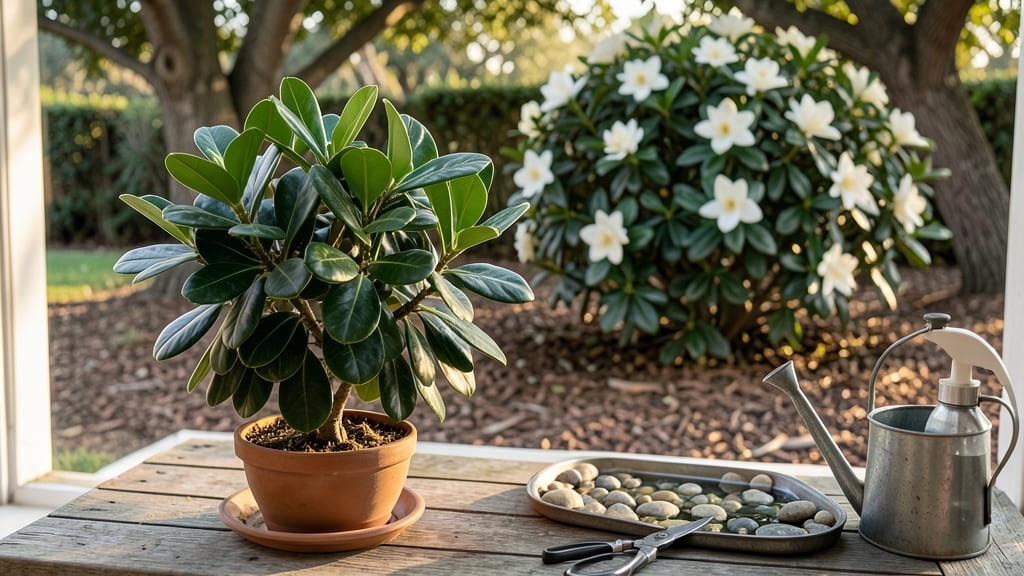
Gardenias grow best outdoors in warm climates with full sun and high humidity, but they can thrive indoors with bright indirect light, consistent moisture, and higher humidity levels to replicate their tropical origins. Each environment demands specific adjustments to maximize growth and flowering.
Deciding between indoor or outdoor gardenia growth hinges on your climate and lifestyle. 🌿 Outdoors, gardenias bask in direct sunlight and natural humidity, which triggers robust blooming and lush foliage. Indoors, however, they need a more controlled environment—like a south-facing window or grow lights—to compensate for weaker natural light.
The key difference lies in humidity: outdoor plants handle it naturally, while indoor gardenias often require a humidifier or pebble tray to prevent leaf browning.
For both settings, soil moisture consistency is critical. Outdoor plants may need less frequent watering due to natural rainfall, while indoor gardenias often dry out faster from indoor heating.
Pruning also varies: outdoor plants can tolerate more aggressive trimming, while indoor plants benefit from gentle shaping to encourage airflow and prevent fungal issues.
💡 In This Article
- Climate and Light Requirements for Indoor vs Outdoor Gardenias
- Practical Gardening Tips for Growing Gardenias Inside or Outside
Climate and light requirements for indoor vs outdoor gardenias
Outdoor gardenias thrive in 6-8 hours of direct sunlight daily, which triggers photosynthesis and flower bud formation. Their native tropical habitats receive intense sunlight, so they've evolved to handle full sun exposure—just ensure temperatures stay between 50–90°F for optimal growth.
The high UV exposure outdoors also helps produce the vibrant white blooms gardenias are famous for, thanks to increased chlorophyll production in the leaves.
Indoors, gardenias need bright, indirect light—like a south or west-facing window—to mimic their natural canopy environment.
Direct indoor sunlight can scorch leaves, while insufficient light leads to sparse blooming. 🌿 A grow light (12-14 hours/day) works well for deeper indoor spaces, but avoid placing plants near drafts or heating vents, which can cause temperature fluctuations beyond their ideal 60–75°F range.
The lower light levels indoors mean photosynthesis slows, so gardenias may grow more slowly and produce fewer flowers unless supplemented with artificial light.
Humidity is where the biggest difference appears. Outdoor gardenias benefit from natural tropical humidity (60%+), while indoor plants often struggle in dry air (common below 40%). Low humidity causes leaf edges to brown and buds to drop before opening.
To compensate indoors, use a humidifier, mist leaves daily, or place the pot on a pebble tray filled with water. The science here is simple: humidity helps maintain turgor pressure in cells, keeping leaves plump and flowers vibrant.
Temperature extremes also impact growth differently. Outdoor gardenias can tolerate brief dips to 40°F but may drop buds in frost. Indoors, sudden temperature swings (like from a cold window) stress the plant, leading to leaf drop.
The key is consistency—outdoor plants adapt to daily temperature shifts, while indoor gardenias need stable conditions to focus energy on blooming rather than survival.
Soil moisture needs vary too. Outdoor plants often require deep watering 2-3 times weekly (depending on rainfall), while indoor gardenias may need daily watering in dry climates. The difference? Outdoor soil retains moisture longer from natural mulch and organic matter, while indoor potting mixes dry out faster.
Always check soil moisture by inserting a finger 1-2 inches deep—if it's dry, water thoroughly until it drains from the bottom.
One final nuance: outdoor gardenias can handle wind exposure, which improves airflow and reduces fungal diseases. Indoors, stagnant air from closed windows or poor ventilation increases risks like powdery mildew. A small fan on low can help mimic natural airflow without stressing the plant.