
How To
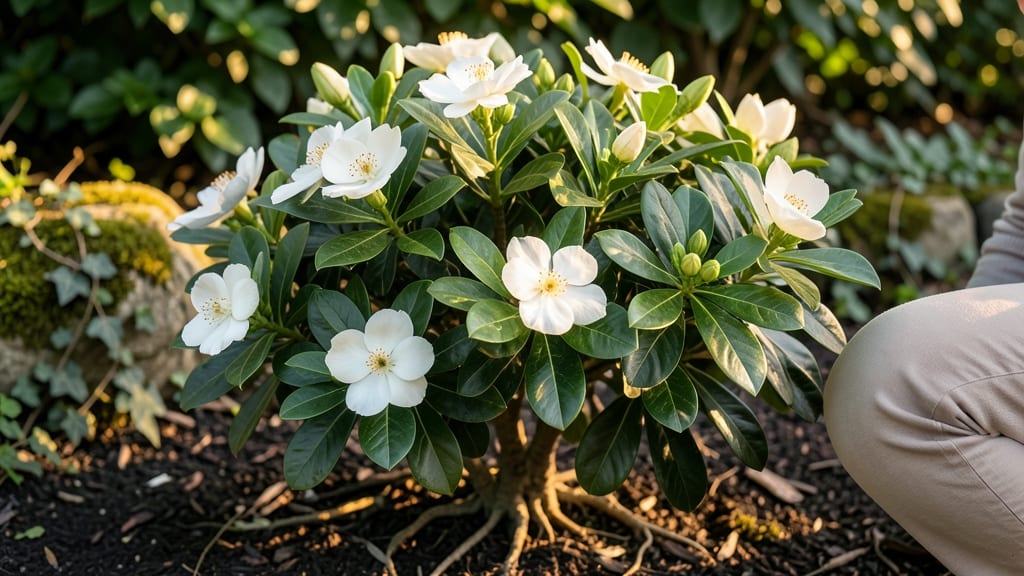
Wondering how tall do gardenias grow? These fragrant plants typically reach heights between 3 and 6 feet at maturity, depending on the variety and growing conditions, making them the perfect blend of manageable size and dramatic presence in any garden.
If you’re dreaming of fragrant gardenias but worried about space, their mature height might surprise you—some varieties stretch as tall as trees while others stay compact enough for containers. Understanding gardenia growth habits is key to pruning, planting, and creating the perfect blooming display.
For example, the popular Gardenia jasminoides typically reaches 4 to 6 feet when grown outdoors, while dwarf varieties like 'Kleim’s Hardy' stay under 3 feet, ideal for patios or small gardens. Climate, pruning, and soil quality all play a role in how tall they grow.
In this guide, you’ll learn how to control gardenia height through pruning, which varieties suit your space, and the care tips to keep them lush and blooming—no matter how tall you want them to be.


Gardenia growth height by variety: from bushes to small trees
If you’re planning your garden layout or choosing gardenias for containers, knowing their mature height is essential. Gardenias can range from compact dwarf varieties under 2 feet to towering small trees reaching 10 feet.
The most common species, Gardenia jasminoides, typically grows between 3 and 6 feet, but with proper pruning, you can shape it to fit your space perfectly. Understanding these height differences helps you select the right variety for your garden’s design and maintenance needs.
Gardenias grow at different rates depending on their variety, growing conditions, and care routine. In their first year, most gardenias stay small—around 1 to 2 feet tall. By year three, they can reach their mature height, which is why planning ahead is crucial.
For example, Gardenia radicans climbs like a vine, while Gardenia augusta grows as a bushy shrub. Let’s break down the height ranges so you can visualize how each variety will fit into your garden.
🌱 Visual Comparison: Imagine a dwarf gardenia at the height of a standard potted plant (1-2 ft) versus a standard gardenia reaching the top of a dining chair (4-6 ft). The difference in scale is significant when planning spacing and pruning strategies.
| Variety | Mature Height | Growth Habit | Best For |
|---|---|---|---|
| Gardenia jasminoides (Standard) | 4-6 ft | Bushy shrub | Yards, borders, hedges |
| Gardenia jasminoides (Dwarf) | 1-2 ft | Compact bush | Containers, patios, small gardens |
| Gardenia augusta | 6-10 ft | Small tree | Large gardens, privacy screens |
| Gardenia radicans | Vines up to 10 ft | Climbing vine | Trellises, fences, arbors |
| Gardenia fortuniana | 3-5 ft | Bushy shrub | Borders, foundation plantings |
For gardeners with limited space, dwarf varieties of Gardenia jasminoides are ideal. These stay under 2 feet tall and thrive in containers, making them perfect for balconies or patios. Their compact size also means less pruning, which is great if you prefer low-maintenance plants.
If you’re aiming for a dramatic look, Gardenia augusta can grow into a small tree, reaching heights of 6 to 10 feet. This variety is perfect for large gardens or as a focal point in landscape design.
If you love the idea of fragrant gardenias but need something that won’t overwhelm your space, consider Gardenia radicans. This variety grows as a vine, climbing up to 10 feet when given support like a trellis or fence.
It’s a fantastic way to add vertical interest to your garden while keeping the ground space free. For a mid-range option, Gardenia fortuniana strikes a balance with heights between 3 and 5 feet, making it versatile for borders or foundation plantings.
When planning your garden, always consider the mature height of gardenias to avoid overcrowding. For example, planting a 6-foot Gardenia augusta too close to a patio or walkway can create maintenance challenges. Give each plant enough space to grow comfortably—typically 3 to 5 feet of clearance around the base.
This ensures good airflow, reducing the risk of fungal diseases like powdery mildew, which can affect gardenias.
Pruning plays a huge role in controlling gardenia height. Regular pruning not only keeps your plants at a manageable size but also encourages bushier growth and more blooms. For standard varieties, prune in late winter or early spring before new growth begins.
For dwarf varieties, a light trim after flowering helps maintain their compact shape. Always use sterilized pruning shears to prevent the spread of disease.
Another factor influencing gardenia height is sunlight exposure. While gardenias prefer partial shade, too much shade can stunt their growth. In hot climates, afternoon shade is ideal to prevent leaf scorch. If you notice your gardenia growing leggy or sparse, it might need more light.
Conversely, too much direct sun can stress the plant, leading to slower growth and fewer flowers. Finding the right balance is key to achieving the optimal height and health for your gardenia.
For container gardeners, choose dwarf varieties or prune standard gardenias regularly
How to control gardenia height: pruning tips for compact growth
Pruning gardenias isn’t just about keeping them tidy—it’s your secret weapon for controlling their height and shape. Without proper pruning, your 3-foot dwarf gardenia could easily become a 6-foot shrub in just a few years.
The good news? With the right techniques, you can encourage bushier growth while maintaining your desired height, even for container-grown varieties.
Timing is everything when it comes to pruning. I’ve learned that spring pruning (right after flowering) is ideal for shaping, while light pruning in late summer can encourage new blooms. Avoid heavy pruning in fall, as gardenias need time to harden off before winter.
Let’s dive into the step-by-step process to keep your gardenias at your preferred height without sacrificing those fragrant blooms.
Step-by-Step Pruning Guide for Compact Gardenias
- 🌱 Step 1: Choose the Right Tools
Use sterilized pruning shears or bypass pruners for clean cuts. Avoid dull tools that tear stems, which can invite disease. - 🌿 Step 2: Prune After Flowering (Spring)
Trim back 1/3 of the plant’s height to encourage bushier growth. Focus on removing dead or crossing branches first. - ✂️ Step 3: Make Clean Cuts at 45 Degrees
Cut just above a leaf node or bud to promote new growth. Avoid leaving stubs, which can rot. - 🌳 Step 4: Light Pruning in Late Summer
Remove only spent blooms and overly leggy stems to redirect energy to new flowers. - 💧 Step 5: Water & Fertilize Post-Pruning
Give your gardenia a deep watering and apply acidic fertilizer (like 10-10-10) to support recovery. - ☀️ Step 6: Avoid Fall Pruning
Pruning too late in the season can stimulate new growth that won’t harden off before winter, risking frost damage.
One of the biggest mistakes I’ve seen (and made!) is pruning too aggressively in fall. Gardenias need time to establish new growth before winter, so heavy cuts can stress the plant.
Another common error is cutting into old wood—this rarely produces new blooms. Instead, always prune back to live buds or leaf nodes.
For container gardenias, regular pruning is even more critical. Since they’re root-bound, their growth can become top-heavy and leggy without guidance. I recommend pruning every 4-6 weeks during the growing season to maintain shape and encourage dense foliage.
Just remember: the more you prune, the more you’ll need to fertilize and water to support new growth.
If your gardenia is already too tall and you need a drastic reset, don’t panic. You can prune back by half in early spring, and with proper care, it’ll bounce back with fuller blooms by summer.
Just be patient—it may take a season or two to regain its former glory. The key is consistency and gentle pruning over time.
With these techniques, you’ll keep your gardenias at the perfect height—whether you’re growing them as bushy hedges, container specimens, or fragrant border plants. Happy pruning! 🌸