
Pruning
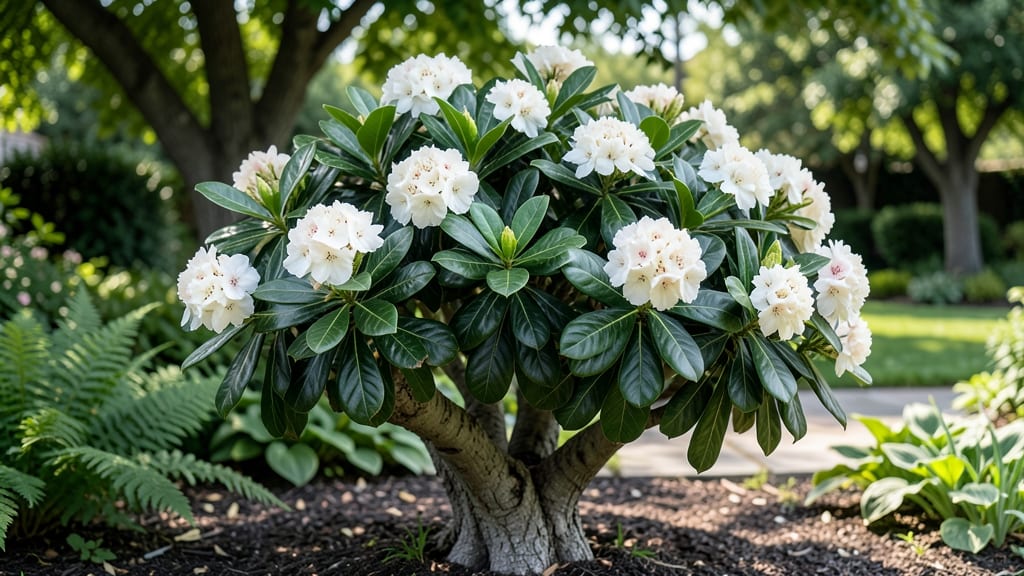
A gardenia tree’s size can range from a compact 3-foot patio plant to a towering 15-foot landscape statement, depending on the variety and how you prune it.
If you're dreaming of fragrant white blooms but wondering whether a gardenia tree will tower over your backyard—or fit snugly in a patio pot—you’re not alone.
The size of a mature gardenia can vary dramatically by variety, and knowing these differences (plus pruning secrets) is key to choosing the perfect plant for your space.
Some gardenias, like the dwarf varieties, stay under 5 feet tall, making them ideal for containers or small gardens. Others, like the standard types, can reach heights of 10 feet or more, perfect for hedges or privacy screens.
Understanding these variations helps you plan where to plant yours and how to manage its growth over time.
In this guide, I’ll break down the mature height ranges for popular gardenia varieties, share expert pruning tips to control size, and recommend the best types for small spaces or large landscapes.
Whether you’re working with a 6-foot garden or a sunny balcony, you’ll find the perfect fit for your gardenia tree.


Mature gardenia tree size by variety: height and spread guide
Choosing the right gardenia variety starts with understanding their mature size and growth habits. Some varieties stay compact enough for patio pots, while others grow into towering shrubs perfect for privacy screens.
The Gardenia jasminoides, the most common type, can reach 6 to 15 feet tall with a spread of 4 to 10 feet, but dwarf varieties like 'Kleim's Hardy' stay under 3 feet.
Knowing these differences helps you pick the perfect gardenia for your space—whether it's a small balcony or a large backyard.
Gardenias grow at a moderate pace, typically adding 12 to 24 inches per year under ideal conditions. Their spread often equals or exceeds their height, creating a lush, rounded shape.
For example, the 'Radicans' variety spreads wider than it grows tall, making it ideal for ground cover or border plantings. Meanwhile, 'Fortuniana' grows upright and dense, perfect for hedges or screens.
Let’s break down the most popular varieties and their mature dimensions to help you decide which fits your vision.
🌿 Pro Tip: Always check the USDA hardiness zone for your gardenia variety—most thrive in zones 7-11, but some, like 'Kleim's Hardy', tolerate cooler climates down to zone 6. This ensures your plant won’t outgrow its welcome—or its ability to survive winter!
🌸 Gardenia Variety Size Comparison
| Variety | Mature Height | Mature Spread | Growth Rate | Best For |
|---|---|---|---|---|
| Gardenia jasminoides (Common) | 6–15 ft | 4–10 ft | 12–24 in/year | Large landscapes, privacy screens |
| 'Kleim's Hardy' | 3–5 ft | 3–5 ft | 6–12 in/year | Containers, small gardens, zone 6 |
| 'Radicans' | 3–6 ft | 6–10 ft | 12–18 in/year | Ground cover, borders, wide plantings |
| 'Fortuniana' | 8–12 ft | 6–8 ft | 18–24 in/year | Hedges, tall screens, woodland gardens |
| 'Veitchii' | 4–6 ft | 4–6 ft | 10–15 in/year | Patio pots, small yards, containers |
| 'August Beauty' | 5–8 ft | 4–6 ft | 12–18 in/year | Foundation plantings, mixed borders |
🌱 Note: Sizes vary based on pruning, soil quality, and climate. Container-grown gardenias may stay smaller than in-ground plants.
The 'Kleim's Hardy' gardenia is my top pick for small-space gardeners because it stays under 5 feet tall and thrives in containers. I’ve seen it flourish in 15-gallon pots on patios, where its fragrant blooms fill the air without overwhelming the space.
If you’re planning a privacy screen, the 'Fortuniana' variety is unbeatable—its 8 to 12 feet of height creates a l
How to control gardenia tree size through pruning (step-by-step)
Pruning your gardenia tree isn’t just about shaping—it’s the secret to controlling its mature height and keeping those fragrant blooms abundant. Without proper pruning, even dwarf varieties can outgrow their space, while aggressive trimming can stress the plant.
The key is timing, technique, and knowing how much to cut. Let’s break it down so your gardenia stays the perfect size for your garden or patio.
Most gardenias respond best to light pruning in early spring, just as new growth begins. This encourages bushier, fuller growth while keeping the plant contained. For dramatic size reduction, you can prune twice a year—once in spring and again after blooming in early summer.
Avoid heavy pruning in fall or winter, as this can damage tender new growth before the plant hardens off for dormancy.
Step-by-Step Pruning Guide for Gardenia Trees
-
Step 1: Gather Tools
Use sterilized pruning shears (clean with rubbing alcohol) and sharp bypass pruners for larger branches. Avoid dull tools that tear bark. -
Step 2: Identify Target Branches
Remove dead, crossing, or overcrowded branches first. For size control, focus on outer branches to encourage inward growth. -
Step 3: Prune at the Right Angle
Cut just above a leaf node (bud) at a 45-degree angle. This promotes faster healing and new growth. -
Step 4: Limit Cuts to 1/3 of the Plant
Never remove more than 30% of the foliage in one session. Heavy pruning can shock the plant and reduce blooming. -
Step 5: Shape Gradually
For a rounded shape, trim longer branches by 1/3 their length. For a taller, narrower look, prune lower branches more aggressively. -
Step 6: Clean Up and Fertilize
Remove all pruned branches and sterilize tools again. Apply balanced fertilizer (10-10-10) to support new growth.
One of the biggest mistakes gardeners make is pruning at the wrong time. Late summer or fall pruning can stimulate tender new growth that won’t survive winter frosts. Another common error is over-pruning—cutting back too much at once can leave your gardenia looking bare and stressed.
If you’re aiming for a compact gardenia, focus on regular light pruning rather than one heavy trim.
For container-grown gardenias, pruning is even more critical. Root-bound plants grow slower, but pruning helps maintain their desired size. After pruning, repot if roots are circling the container.
Use a well-draining, acidic potting mix (pH 5.0-6.5) to support healthy regrowth. Remember, container gardenias need more frequent watering after pruning to recover quickly.
If your gardenia isn’t blooming well after pruning, it might be due to over-trimming flower buds. Always leave at least 1/3 of the plant’s buds intact to ensure blooms.
For heavier blooming, prune just after flowering in early summer. This gives the plant time to set new buds before winter.
With consistent pruning, your gardenia will stay lush, fragrant, and perfectly sized—whether you want a 3-foot patio specimen or a 6-foot privacy screen. Start small, observe how your plant responds, and adjust your approach each year. Happy pruning! ✂️🌸