
Tools
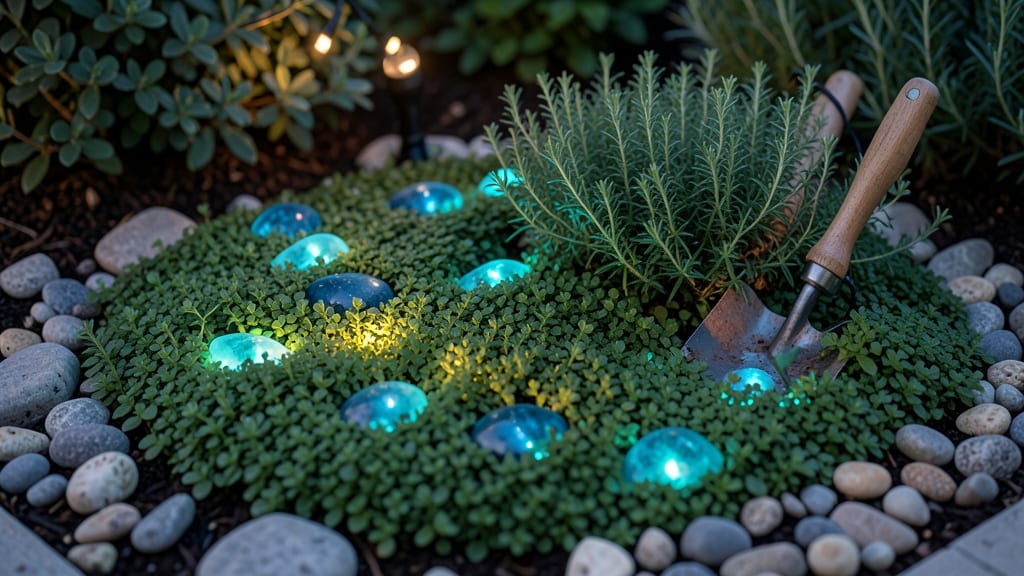
Glow in the dark stones for gardens absorb sunlight during the day and emit a soft, ambient glow at night, enhancing outdoor safety and aesthetics. Choose UV-reactive stones and place them in shaded areas for optimal visibility after dusk.
These phosphorescent garden stones work by storing solar energy during daylight hours, then releasing it as visible light when darkness falls. 🌙 The brighter the sunlight they receive—especially midday rays—the longer they'll glow, sometimes lasting up to 12 hours after charging.
For best results, I recommend placing them in areas that get 4-6 hours of direct sunlight daily, like near patios or along walkways where artificial lighting is limited. The glow intensity also depends on stone quality, with premium options containing strontium aluminate offering the most consistent performance.
Beyond safety, these stones add a magical touch to evening gardens. Pro tip: Pair them with low-light plants like night-blooming jasmine or place them near seating areas to create a cozy ambiance.
For DIY installation, use landscape adhesive or sand to secure them in place—just avoid burying them too deep, as they need surface exposure to charge properly.
💡 In This Article
- How Glow-in-the-Dark Garden Stones Work and Charge
- Creative Garden Placement Ideas for Maximum Glow
How glow-in-the-dark garden stones work and charge
These stones contain special phosphorescent compounds, typically strontium aluminate or copper-doped zinc sulfide, that absorb ultraviolet (UV) rays from sunlight during the day. When exposed to sunlight, electrons in these compounds get excited and jump to higher energy levels.
This creates an "energy charge" that remains stored until darkness falls, when the electrons gradually return to their normal state, releasing visible light in the process. The glow you see is essentially the stored solar energy being converted back into visible wavelengths.
The duration of the glow depends on three key factors: sunlight intensity, stone quality, and material composition. Premium stones can maintain visibility for 8-12 hours after full charging, while budget options may only last 2-4 hours.
For example, a stone exposed to 6+ hours of direct midday sun will glow significantly brighter than one placed in partial shade. The best performers contain 10-20% phosphorescent powder by volume, with strontium aluminate providing the longest-lasting glow due to its stable chemical structure.
Here's what happens when you place them in your garden: During daylight, the stones' surface absorbs UV rays through their porous texture, which maximizes surface area for energy capture. At night, the glow begins as soon as ambient light drops below 1 lux (the threshold for human vision).
What's fascinating is that the color temperature of the glow—typically 5000-6500K (blue-white)—matches natural moonlight, making it appear more natural than artificial lighting. This is why they work so well for safety without creating harsh contrasts.
Temperature plays a subtle but important role too. Cooler nights (50-70°F) preserve the glow longer because the phosphorescent reaction slows down in warmth. That's why stones in northern climates often outperform those in hot, humid regions where heat accelerates energy dissipation.
For best results, I recommend placing them where they'll receive 4-6 hours of direct sunlight daily, but can still be visible in shaded areas at night through indirect light reflection.
One common misconception is that these stones need bright artificial lights to recharge. While they can absorb some visible light, UV rays are 100x more effective at charging them. That's why placing them near south-facing walls or in open garden beds gets the best results.
The stones' glow intensity also diminishes by about 10-15% per month due to natural degradation of the phosphorescent compounds, which is why replacing them every 2-3 years ensures consistent performance.
For gardeners who want to maximize their stones' effectiveness, consider this pro tip: Place them in elevated positions (like on raised beds or along fence lines) where they'll catch more sunlight and be visible from multiple angles.
The stones' glow spreads in a 360-degree radius up to 10 feet away, making them ideal for marking paths or highlighting seating areas without needing additional lighting fixtures.