
Container Gardens
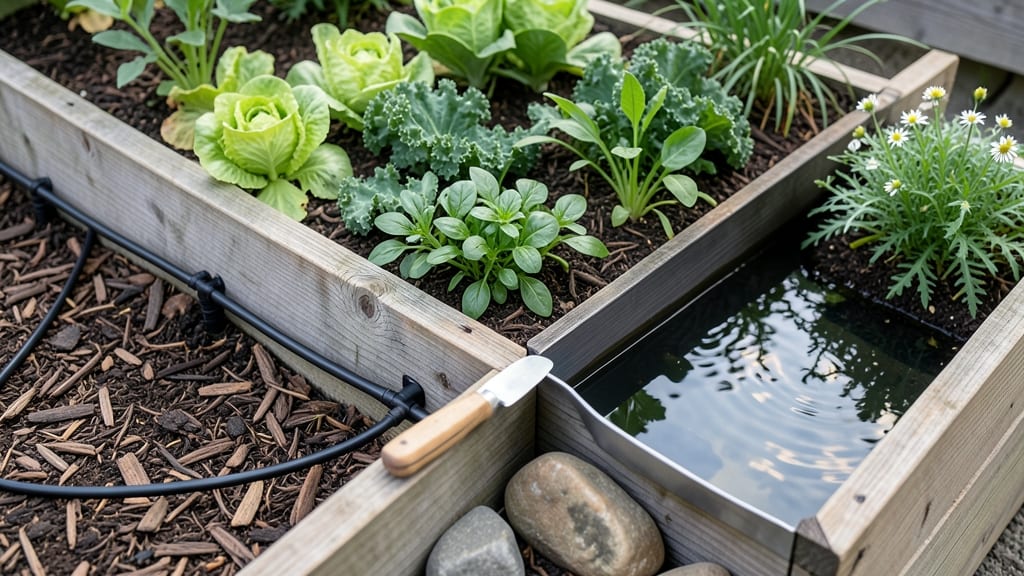
Repurposing water troughs as raised garden beds is a game-changer for small yards, turning overlooked containers into lush, space-saving growing spaces 🌱.
If you’ve ever struggled to fit a garden into a tight backyard, you’ll love how these troughs maximize vertical room while keeping water waste to a minimum. Their built-in depth even supports root growth for veggies and herbs—no extra soil prep needed.
Below, I’ll walk you through five creative layouts that fit any corner, from corner setups to tiered stacks, plus the must-know tips to avoid common pitfalls like drainage issues or wobbly structures.
Ready to transform your yard? You’ll discover how to choose the right trough material, pair plants for success, and keep your garden thriving with minimal effort.


How water trough raised garden beds save space and water
Repurposing water troughs into raised garden beds is a game-changer for small yards or urban balconies. These sturdy containers maximize vertical space while creating a built-in water retention system that reduces waste.
The deep sides support root growth for heartier plants, and their elevated design keeps soil warmer and pests at bay.
Unlike traditional in-ground gardens, water trough raised beds use less water because the soil stays moist longer. The trough’s shape naturally channels water to roots, cutting irrigation needs by up to 30%.
Plus, their portable design lets you move plants to follow the sun or protect them from harsh weather.
| Feature | Benefit | Consideration |
|---|---|---|
| Depth (12–24 inches) | Supports deep-rooted plants like tomatoes or carrots | Avoid shallow-rooted plants (e.g., strawberries) |
| Material (Plastic/Metal/Wood) | Durable, weather-resistant, and lightweight | Metal may rust; wood requires sealing |
| Water Retention | Reduces evaporation; needs 30% less water | Add drainage holes if not pre-drilled |
| Portability | Move to optimize sunlight or protect from frost | Heavy when filled; use casters for mobility |
| Space Efficiency | Fits in tight corners; stack vertically | Ensure weight-bearing surfaces for stacking |
Plastic troughs are the easiest to repurpose—they’re lightweight, budget-friendly, and often come with pre-drilled drainage holes. Metal troughs add a rustic charm but may require rust-proofing and extra weight support. Wooden troughs offer a natural look but need seasonal sealing to prevent rot.
For water efficiency, place troughs on elevated stands to improve airflow and reduce soil compaction. Line the bottom with landscape fabric to block weeds while allowing drainage. Fill with a moisture-retentive mix of 50% compost, 30% garden soil, and 20% perlite for optimal root growth.
My favorite space-saving trick is stacking troughs vertically. Use herbs like basil or thyme in the top layer (they thrive in shallow soil) and deep-rooted veggies like peppers in the bottom. This doubles growing space without expanding your footprint.
One common misconception is that troughs dry out too fast. In reality, their deep sides hold moisture better than shallow containers. To further conserve water, mulch the surface with straw or wood chips—this keeps soil cool and reduces evaporation by up to 40%.
If you’re using metal troughs, avoid planting acid-loving plants like blueberries, as the alkaline metal can alter soil pH. Instead, opt for neutral-loving veggies like lettuce, kale, or zucchini. For wooden troughs, steer clear of pressure-treated wood (toxic chemicals) and use cedar or redwood instead.
To maximize root space, fill troughs 2/3 full with soil before planting. This leaves room for roots to expand downward while preventing soil spillage. For heavy plants like tomatoes, add stakes or cages early to support growth without overcrowding.
Finally, rotate crops yearly to prevent soil depletion. Troughs are shallow, so nutrient cycling is key—amend soil annually with compost or worm castings. With these tips, your water trough raised garden will thrive while saving space and water!
5 Creative water trough raised garden bed layouts for small yards
Small yards don’t mean small harvests! Water trough raised garden beds are perfect for maximizing space while adding a rustic charm to your garden. Their built-in depth and drainage make them ideal for growing everything from herbs to deep-rooted veggies without taking up precious ground space.
The key is creative placement—whether stacking vertically or tucking them into corners.
I’ve designed five layouts that work beautifully in tight spaces, each with plant pairing suggestions to ensure your troughs thrive. From sun-loving tomatoes to shade-tolerant greens, these setups prove that even a balcony or tiny patio can become a productive garden. Let’s dive into the details!
- Corner Hugger: Place a single trough in a yard corner with dwarf tomatoes and bush beans along the outer edge, leaving space for lettuce and radishes in the center. This layout maximizes sunlight exposure while keeping plants accessible.
- Tiered Stack: Stack two troughs vertically (use sturdy brackets) for a herb spiral. Plant basil and thyme in the top trough (full sun) and mint and parsley in the bottom (partial shade). Ideal for patios or decks!
- Under-Deck Planter: Slide one trough under a deck or pergola to grow shade-tolerant greens like spinach and kale. Add strawberries along the edges for a cascading effect. Perfect for low-light areas!
- Multi-Level Terrace: Arrange three troughs side-by-side at varying heights (use cinder blocks or bricks) to create a terraced effect. Plant peppers in the highest trough, carrots in the middle, and green onions in the lowest for easy harvesting.
- Vertical Herb Wall: Mount troughs side-by-side on a fence or wall to create a living herb garden. Fill with rosemary, oregano, and chives—all thrive in shallow depths and add a fragrant, decorative touch to your space.
Each of these layouts takes advantage of the water trough’s natural shape to create functional, eye-catching gardens. For example, the corner hugger layout keeps plants organized and easy to reach, while the tiered stack adds vertical interest without sprawling outward.
The under-deck planter is a game-changer for shaded areas, proving that even low-light spots can grow bountiful harvests.
When choosing plants, pair shallow-rooted varieties like herbs and lettuce with deeper-rooted crops such as carrots or radishes. This ensures no space is wasted, and every inch of your trough is productive.
For instance, in a multi-level terrace, the highest trough can host peppers (which need depth), while the lowest can cradle green onions (which prefer shallower soil).
Don’t overlook the aesthetic appeal! A vertical herb wall adds a lush, green backdrop to fences or walls, while a tiered stack becomes a focal point in any outdoor space.
Use cascading plants like strawberries or trailing thyme to soften edges and create a cohesive look. With a little creativity, your water trough garden can be both functional and beautiful.
Pro tip: Add self-watering elements like wicking systems or drip irrigation to reduce maintenance. Water troughs retain moisture well, but consistent hydration is key—especially during hot summer months. A simple drip line along the top edge ensures even watering without over-saturating the soil.