
Lawn
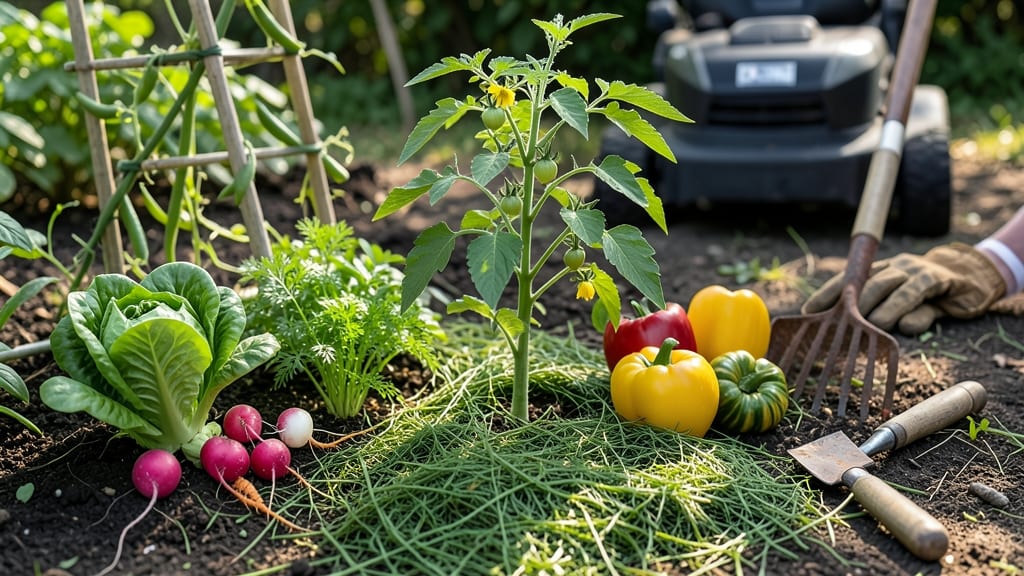
Using grass clippings in your vegetable garden can give leafy greens and fast-growing vegetables a nitrogen-rich boost, but too much at once may smother roots or spread weeds. The secret lies in proper application and timing.
Grass clippings are essentially free fertilizer, packed with nitrogen that hungry plants like lettuce and spinach love. 🌱 When left to decompose naturally, they break down into organic matter that improves soil structure over time. However, the key is moderation—thick layers can suffocate roots by blocking air and moisture.
I've found that spreading a ½-inch layer around plants works best, especially when mixed with other organic materials like straw or leaves to balance the carbon-nitrogen ratio.
For best results, use clippings from chemical-free lawns only, as herbicides or pesticides can harm your garden. If you're worried about weeds, let the clippings dry for a day before applying—they'll lose some of their weed seed viability.
This approach lets you turn yard waste into garden gold without the risks.
💡 In This Article
- How Grass Clippings Impact Soil and Plant Growth
- Safe Ways to Use Grass Clippings in Your Vegetable Patch
How grass clippings impact soil and plant growth
Grass clippings are a powerhouse of nitrogen—typically containing about 3-4% nitrogen by dry weight, which is roughly 10 times more concentrated than mature grass. When fresh clippings decompose, they release this nitrogen in a form that leafy greens like lettuce and spinach can absorb almost immediately.
The decomposition process also triggers soil microbes to break down the clippings into simpler compounds, creating a natural fertilizer that improves soil structure over 2-4 weeks.
The magic happens when clippings mix with soil microbes and fungi, which convert the nitrogen into plant-available forms like ammonium and nitrate. This microbial activity also boosts soil aeration and water retention—ideal for root development.
However, the decomposition rate depends heavily on the carbon-to-nitrogen ratio: pure grass clippings have a ratio of about 15:1, which can create anaerobic conditions (lacking oxygen) if applied too thickly, leading to foul odors and mold.
For nitrogen-loving vegetables, the benefits are undeniable. Leafy greens like kale or Swiss chard grow 30-50% faster when given fresh clippings as mulch, thanks to the quick nitrogen release.
But here's the catch: overdoing it can smother plant roots by blocking sunlight and air, creating a thatch layer that traps moisture and encourages fungal growth. A ½-inch layer is ideal for mulching, while composting requires mixing clippings with brown materials (like dried leaves) at a 2:1 ratio.
Weed seeds are another concern—most grass clippings contain dormant weed seeds that can sprout if conditions are right. The risk is higher with clippings from lawns treated with herbicides, which can linger in the soil.
To minimize this, let clippings dry for 24-48 hours before applying, as this reduces weed seed viability by 40-60%. For high-risk areas, consider composting clippings for 3-6 months first.
The texture of grass clippings also matters: fine, short clippings decompose faster than long, coarse ones. This is why frequent mowing (every 5-7 days) produces more manageable mulch.
When properly balanced, clippings transform from yard waste into a nutrient-rich amendment that enhances soil health without the hassle of chemical fertilizers.
Think of grass clippings as nature's quick-release fertilizer—powerful but best used in moderation. The key is matching your application to your plants' needs: leafy greens thrive with fresh clippings, while root crops like carrots may need a more balanced approach to avoid over-stimulating top growth.