Planting
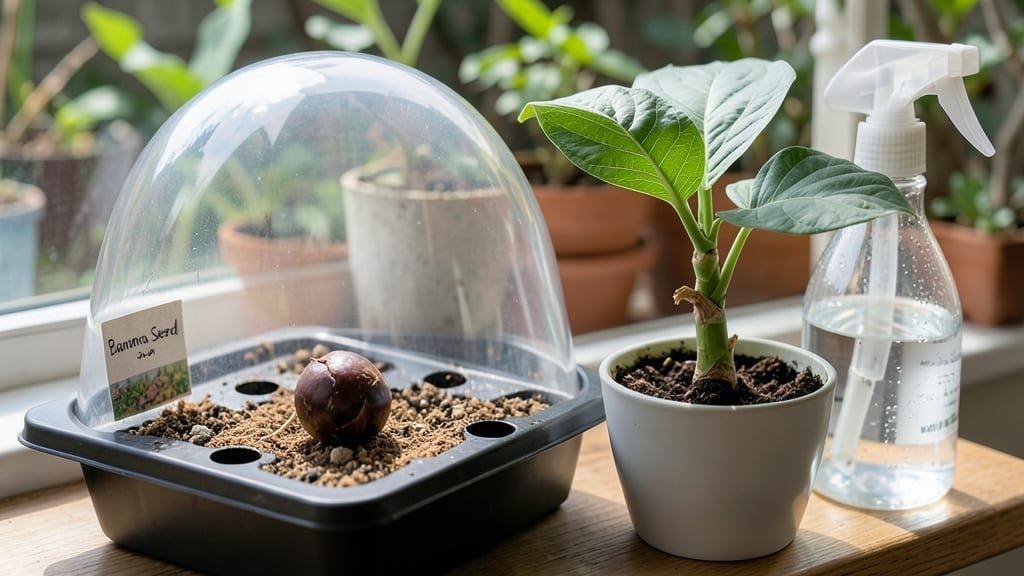
Growing a garden banana seed 🍌 is a thrilling but patient journey that starts with the right prep work—because these tropical beauties take 12-18 months to bear fruit.
Picture this: you plant a tiny seed, nurture it through seasons, and years later, you’re harvesting your own bananas. The wait is worth it, but only if you avoid the common pitfalls that stall growth.
From picking the right germination medium to managing humidity and sunlight, every step matters. I’ll walk you through the exact conditions your banana needs—whether you’re in a frost-free zone or using containers for cooler climates.
By the end, you’ll know how to troubleshoot slow growth, spot nutrient deficiencies, and keep pests at bay so your Garden Banana thrives from seed to harvest.


How to germinate garden banana seeds indoors for maximum success
Growing a garden banana from seed is a thrilling project, but the first challenge is breaking dormancy. These tropical seeds need warmth, moisture, and patience to sprout. I’ve learned that rushing this stage often leads to failure, so let’s focus on creating the perfect indoor germination environment first.
Start by selecting fresh, plump seeds from a ripe banana—discard any that feel soft or shriveled, as they won’t germinate.
Before planting, soak your seeds in lukewarm water for 24 hours to soften the outer shell. This mimics natural rainfall and kickstarts the germination process. I use a small glass jar with a mesh cover to keep the seeds submerged without overcrowding.
After soaking, place them in a humid germination tray or a sealed plastic container with a damp paper towel—this maintains moisture while preventing rot.
Step-by-Step Germination Guide
- Step 1: Seed Selection
Choose 3-5 plump, firm seeds from a ripe banana. Discard any damaged or soft seeds—these won’t sprout. - Step 2: Soaking
Soak seeds in lukewarm water for 24 hours to soften the outer shell. Change water every 8 hours to prevent bacteria. - Step 3: Germination Medium
Fill a tray with peat moss or coconut coir (keep moist but not soggy). Plant seeds ½ inch deep, spacing them 2 inches apart. - Step 4: Warmth & Humidity
Place the tray in a warm spot (75-85°F), like on top of a fridge or near a heat mat. Cover with plastic wrap to retain humidity. - Step 5: Monitoring
Check daily for moisture levels. Mist with water if the medium dries out. Germination takes 2-4 weeks—patience is key! - Step 6: Transplanting
Once sprouts reach 2 inches tall, transfer to individual pots with well-draining soil. Keep indoors until all frost risk passes.
For the germination medium, I recommend peat moss or coconut coir—both retain moisture while allowing airflow. Avoid garden soil, as it can compact and suffocate seeds. Moisten the medium until it’s damp like a wrung-out sponge, then plant seeds ½ inch deep.
Space them 2 inches apart to prevent overcrowding as they sprout.
Temperature control is critical—garden banana seeds thrive at 75-85°F. I use a seedling heat mat ($15 at garden centers) to maintain warmth, especially in cooler homes. Place the tray on top of the fridge or near a sunny window (but not in direct sunlight yet).
Cover the tray with plastic wrap to create a humid microclimate, but prop it open slightly to allow airflow.
Humidity is the silent hero of germination. If your home is dry, consider a humidity dome or place a tray of water near the seeds. I’ve seen germination rates drop by 50% in dry conditions, so don’t skip this step!
Monitor the medium daily—it should stay consistently moist but never waterlogged. Overwatering leads to rotten seeds, while underwatering causes them to dry out and fail.
Germination can take 2-4 weeks, depending on seed freshness and conditions. The first sign of life is a tiny white root breaking through the seed coat. Once sprouts reach 2 inches tall, it’s time to transplant.
Use 4-inch pots with a mix of potting soil and perlite to ensure drainage. Harden off seedlings by exposing them to bright indirect light for a few hours daily before moving outdoors.
If your seeds fail to sprout after 4 weeks, don’t give up! Common issues include old seeds (banana seeds lose viability quickly), improper moisture, or temperature fluctuations. Try soaking fresh seeds again and adjust your setup.
Remember, even experienced gardeners like me have struggled—it’s all part of the learning process! With the right conditions, you’ll soon see those first banana seedlings reaching for the light.
Once your seedlings are thriving, you’re ready for the next stage: transitioning them to outdoor conditions. But for now, celebrate this milestone—you’ve just taken the first step toward growing your own tropical banana plant! 🌱
Best soil conditions and climate requirements for outdoor banana plant growth
Banana plants thrive in conditions that mimic their tropical origins, but with the right adjustments, you can grow them successfully in non-tropical zones. The key lies in replicating their natural environment—warmth, moisture, and rich soil—while protecting them from frost and extreme temperature swings.
Let’s break down the essentials for planting your banana seedling outdoors.
First, focus on soil pH between 5.5 and 6.5, which is slightly acidic. Banana plants prefer loose, well-draining soil mixed with organic matter like compost or aged manure. Heavy clay soils can suffocate roots, while sandy soils may not retain enough moisture.
Amending your garden bed with 3-4 inches of compost before planting ensures your banana has the nutrients it craves.
| Requirement | Specification |
|---|---|
| Soil pH | 5.5–6.5 (slightly acidic) |
| Drainage | Well-draining (avoid waterlogging) |
| Sunlight | Full sun (6+ hours/day) |
| Temperature | 70–90°F (avoid frost) |
| Humidity | 60–80% (use mulch in dry climates) |
| Wind Protection | Sheltered (young plants are fragile) |
Banana plants are sun worshippers and need at least 6 hours of direct sunlight daily. In hotter climates like Zones 10-11, provide afternoon shade to prevent leaf scorch. If you’re in Zones 9 or cooler, use containers or greenhouses to extend the growing season.
These allow you to move plants indoors during winter or protect them from unexpected cold snaps.
Frost is the banana plant’s worst enemy. Even a light frost can kill young seedlings, while mature plants may survive brief dips below freezing if protected. In non-tropical zones, grow your banana in a large container (15+ gallons) and bring it inside when temperatures drop below 50°F.
Alternatively, wrap the pot in burlap and bubble wrap for insulation.
For microclimate adjustments, consider planting near a south-facing wall or under a cloche to trap heat. Grouping plants together also creates a shared humidity zone, which mimics tropical conditions. In drier climates, apply a 3-inch layer of mulch around the base to retain moisture and regulate soil temperature.
Remember, banana plants are herbaceous perennials in frost-free zones but often treated as annuals in colder areas. With the right soil and climate adjustments, you’ll give your garden banana the best chance to thrive—and eventually reward you with homegrown fruit! 🍌