
Light Requirements
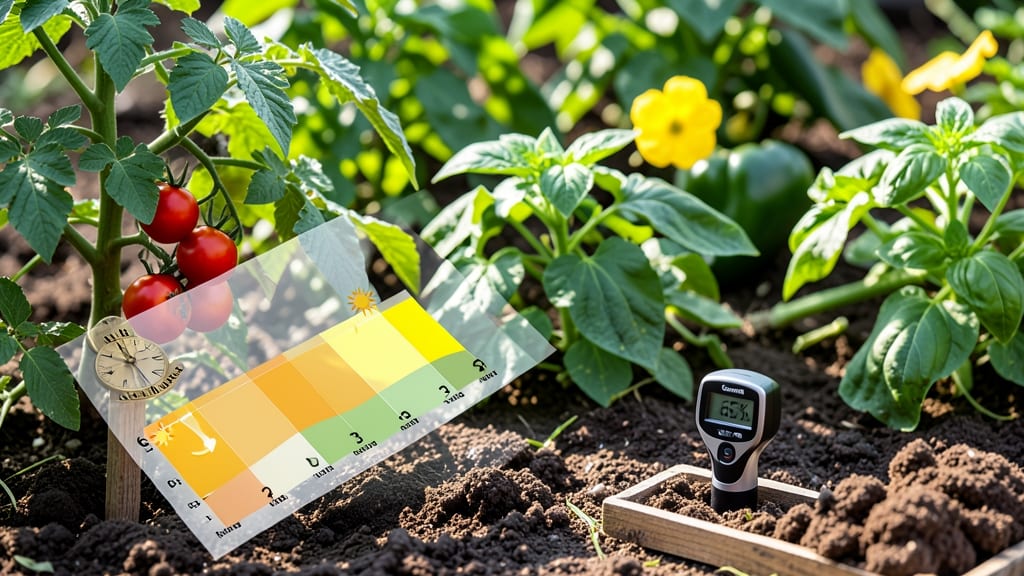
A vegetable garden needs how much sun does a vegetable garden need—typically 6 to 8 hours of sunlight daily—to thrive, but many gardeners get this critical detail wrong and end up with stunted plants or wasted space.
Struggling to decide where to plant your vegetables? Sunlight is the single most critical factor in determining whether your garden thrives or withers. Too little sun means weak, leggy plants, while too much can scorch delicate greens or turn tomatoes bitter.
The key is matching each crop to its ideal light exposure, whether that’s full sun, partial shade, or even dappled light.
This guide breaks down the exact sunlight requirements for every major vegetable category, so you can position your garden for peak harvests—no guesswork required.
From leafy greens that bolt in afternoon heat to sun-worshipping tomatoes, we’ll cover what each plant truly needs and how to adjust for your specific climate or garden layout.
Ready to stop wasting sunlight? Discover crop-specific hours for maximum growth, plus practical tips for optimizing shade, arranging plants for efficiency, and recognizing when your garden is getting too much—or too little—sun.

Sunlight requirements by vegetable type: full sun vs partial shade explained
Understanding how much sun your vegetable garden needs is like learning the secret language of plant growth. Most vegetables thrive under specific sunlight conditions, and getting this right can mean the difference between a bountiful harvest and wilted disappointment.
The key is categorizing your crops into three groups: full-sun lovers, partial-shade tolerators, and shade-friendly options. Let’s break down what each needs and how to position them in your garden for success.
First, let’s clarify the terms. Full sun means 6+ hours of direct sunlight daily, while partial shade refers to 4-6 hours, and shade means less than 4 hours.
Fruiting plants like tomatoes and peppers typically need full sun, while leafy greens like spinach and lettuce can handle partial shade. Knowing these distinctions helps you avoid common mistakes like planting sun-loving crops in shady spots or scorching delicate greens with too much exposure.
Leafy greens vs. fruiting plants is a classic example of sunlight needs. Leafy greens often prefer cooler, shadier conditions to prevent bolting (premature flowering), while fruiting plants like tomatoes, peppers, and cucumbers crave intense sunlight to produce flavorful yields. Even within these categories, there are nuances—like basil, which loves full sun but can tolerate partial shade in hot climates to prevent wilting.
Here’s a quick visual guide to help you map out your garden. Use this comparison table to categorize your crops and position them accordingly, whether you’re working with in-ground beds, containers, or raised gardens:
For small spaces or containers, prioritize full-sun crops like bush beans, cherry tomatoes, and peppers, which thrive in 5-gallon pots with 6+ hours of sunlight. Place these containers on south-facing decks or balconies to maximize exposure.
Partial-shade crops like lettuce or spinach can go in slightly shadier spots, such as east-facing windows or under dwarf fruit trees.
In raised beds, arrange crops by height and sunlight needs. Start with tall, full-sun plants like tomatoes or corn at the north end of the bed to avoid shading shorter crops.
Add partial-shade plants like bush beans or peas in the middle, and tuck shade-tolerant greens along the edges where sunlight might be limited. This vertical layering ensures every inch of your bed is used efficiently.
If you’re working with partial shade, focus on leafy greens, herbs, and root vegetables. These crops often perform better in morning sun with afternoon shade, especially in hot climates where afternoon heat can scorch leaves.
Use shade cloth (30-50%) to filter intense sunlight during peak hours, or plant taller crops like sunflowers or corn to create natural shade for shorter plants.
Don’t forget to observe your garden’s microclimates. A spot near a building or fence might receive only 2-3 hours of sun, making it perfect for shade-tolerant crops like green onions or radishes.
Meanwhile, open areas with full exposure are ideal for tomatoes, peppers, and squash. By mapping these zones, you can maxim
How to optimize sunlight in your garden: layout hacks for maximum yield
Sunlight isn’t just about placing plants anywhere—it’s about creating a strategic layout that maximizes every ray. I’ve learned the hard way that even the hardiest tomatoes can turn bitter if they get too much afternoon sun, while basil wilts in shade.
The key? Designing your garden like a sunlight puzzle, where each plant gets exactly what it needs without competing for light.
Start by mapping your garden’s sunlight patterns throughout the day. Use a simple stake-and-string method: Place stakes at planting spots and trace their shadows every few hours. This reveals which areas get morning sun only, full-day exposure, or dappled shade.
Once you know your space, you can arrange crops to thrive—not just survive.
- 🌱 The Sun Triangle: Divide your garden into 3 zones—full sun (6+ hrs), partial shade (4-6 hrs), and low light (<4 hrs). Place tomatoes/peppers in Zone 1, bush beans in Zone 2, and spinach in Zone 3.
- ☀️ Reflective Surfaces: Use light-colored gravel or mirrors near shade-loving plants to bounce extra light their way. Even a white plastic tray under containers can boost sunlight by 20%.
- 🌿 Vertical Stacking: Train cucumbers or pole beans up trellises to free up ground space for sun-hungry crops below. This works especially well in urban balconies with limited square footage.
- ✂️ Seasonal Row Rotation: Adjust your garden’s orientation every 3 months. In summer, align rows north-south to minimize shading; in winter, switch to east-west to capture low-angle sun.
- 🌻 Companion Planting: Pair sun-loving crops (like corn) with shade-tolerant plants (like radishes) to create natural microclimates. The corn provides shade for radishes while still getting full sun.
Don’t overlook the power of seasonal adjustments. In summer, your garden might get 10+ hours of sun, but in winter, that same spot could see only 3 hours.
I adjust by moving heat-sensitive crops (like lettuce) to sunnier spots in winter or using shade cloth in summer to protect delicate greens from scorching.
For urban gardeners with limited space, think vertically. A 3-tiered shelf can hold sun-loving herbs on the top, partial-shade plants in the middle, and shade-tolerant greens on the bottom. This maximizes sunlight exposure while saving floor space—perfect for balcony gardens or patio containers.
Pro tip: Use dwarf varieties of sun-loving plants (like bush beans or determinate tomatoes) in shadier corners. They’ll still produce well with 4-6 hours of sun, freeing up your sunniest spots for high-yield crops like peppers or eggplants.
Remember, the goal isn’t perfection—it’s adaptation. Even a 5% improvement in sunlight exposure can boost yields by 30% or more. Start small, observe how your plants respond, and tweak your layout as the seasons change. Your garden—and your harvest—will thank you. 🌱