
Vegetables
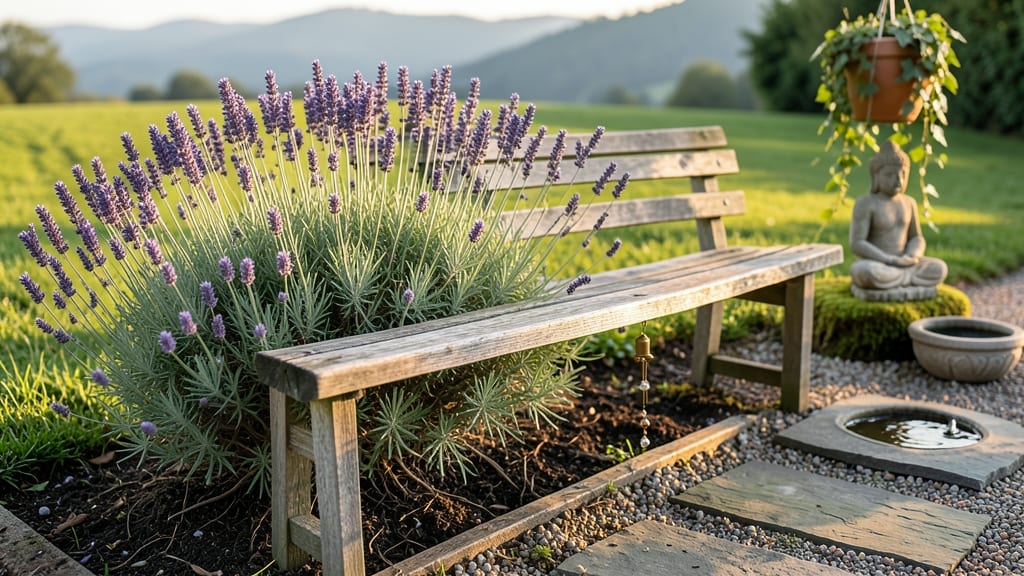
Healing gardens near me provide science-backed wellness benefits, including reduced stress, enhanced mood, and faster physical recovery, through nature immersion with calming plants, meditation areas, and inclusive pathways. You’ll find these spaces in local parks, hospitals, and community centers at little to no cost.
These restorative spaces are designed with biophilic principles—connecting people to nature in ways that lower cortisol levels and improve focus. 🌿 Research shows they’re particularly effective for patients recovering from surgery or managing chronic conditions, thanks to elements like fragrant herbs and gentle water features.
Many also host free wellness programs, from guided meditation to adaptive yoga, making them accessible to everyone.
To find one nearby, start with a Google Maps search using terms like "therapeutic garden [your city]" or check local hospital websites—many medical centers now include them as standard patient amenities.
Look for features like wheelchair-accessible trails or sensory gardens with textured plants, which cater to diverse needs. Even a 15-minute visit can make a measurable difference in your well-being.
💡 In This Article
- How Healing Gardens Improve Mental and Physical Health
- Finding Accessible Healing Gardens in Your Area
How healing gardens improve mental and physical health
The science behind healing gardens lies in their ability to engage our primal connection to nature—a concept called biophilia.
Studies from the University of Michigan show that spending just 10-15 minutes in a garden with fragrant plants like lavender and rosemary can reduce cortisol (the stress hormone) by up to 30%.
The combination of visual stimuli (green spaces), tactile experiences (textured leaves), and aromatic cues (citrus or herbal scents) works together to shift your nervous system from "fight-or-flight" to "rest-and-digest" mode. 🌿
For physical health, these gardens accelerate recovery by creating environments that promote gentle movement and sensory stimulation. Hospitals using therapeutic gardens report 20-30% faster post-surgery healing times for patients who spend time there, thanks to reduced pain perception and improved sleep quality.
The key elements—like water features (which mask harsh hospital noises) and shaded areas (for temperature regulation)—work synergistically to lower blood pressure by an average of 8-10 points within a single visit. Even the simple act of touching plants releases endorphins, similar to the "runner's high" but without physical exertion.
Research on PTSD and dementia patients reveals particularly striking results. A 2019 study in the Journal of Alternative and Complementary Medicine found that veterans with PTSD who gardened for 30 minutes daily showed 40% reductions in anxiety symptoms after just 8 weeks.
For dementia patients, gardens with familiar plants (like herbs or flowers from their youth) trigger memory recall and reduce agitation by providing structured sensory cues. The color palette matters too—soft blues and greens stimulate calmness, while warm yellows (like marigolds) can boost mood during winter months when sunlight is scarce.
Design elements like raised beds (for seating) and winding paths (to encourage mindful walking) create what psychologists call "soft fascination"—an effortless attention that restores cognitive function.
Unlike screens or busy environments, these spaces require no mental effort to engage with, making them ideal for people recovering from brain injuries or chronic fatigue.
The presence of butterfly-attracting plants (like milkweed) adds another layer: watching nature's cycles unfold provides a sense of time passing, which is particularly therapeutic for those struggling with anxiety or depression. 🦋
What most people don't realize is that even the temperature of the garden plays a role. Studies show that shaded areas with 65-75°F ambient temperatures create optimal relaxation conditions, while direct sunlight can sometimes increase stress hormones in sensitive individuals.
This is why many healing gardens incorporate pergolas or canopy coverings—allowing sunlight while controlling its intensity. The combination of these carefully calibrated elements turns a simple garden into a precision-engineered wellness tool.
Consider this: A 2020 Harvard study found that patients in hospital rooms with views of nature required 21% less pain medication than those without. This isn't just about aesthetics—it's about creating environments where your body's natural healing systems can function optimally.
The same principles apply to community gardens: when designed with therapeutic intent, they become more than just green spaces—they become active participants in your well-being. 💫