
Size
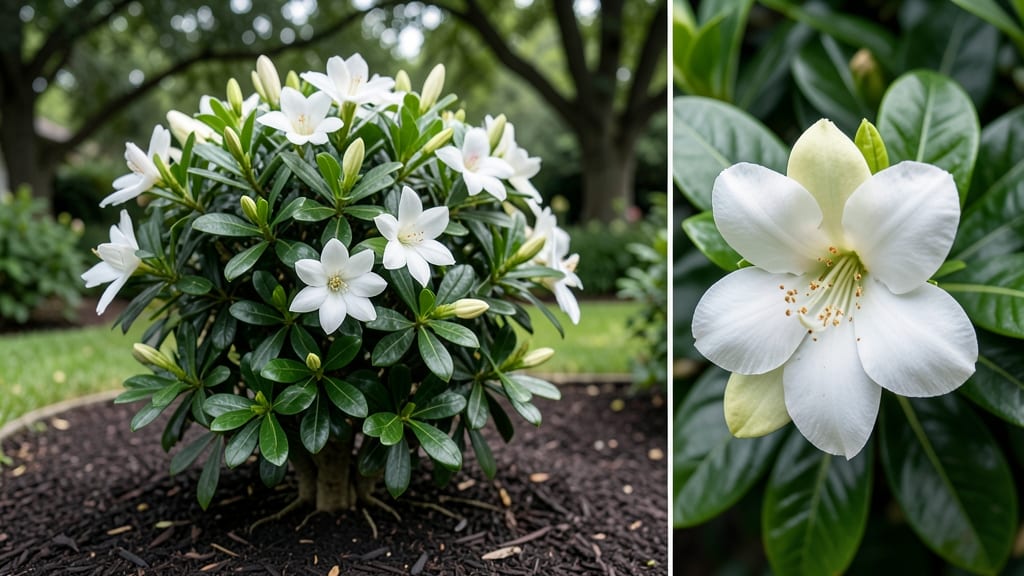
Gardenias grow to 3 to 6 feet tall at maturity, depending on the variety and growing conditions, with some sprawling up to 8 feet wide—so knowing their size helps you plan where to plant them.
If you’re dreaming of fragrant, glossy gardenias but wondering whether they’ll dwarf your patio or fit snugly in a container, you’re not alone—size matters when planning your garden layout.
Most gardenias like Gardenia jasminoides reach 5 to 6 feet in height, while dwarf varieties stay compact at 2 to 3 feet, making them perfect for small spaces or containers.
In this guide, I’ll break down exact height ranges by variety, share pruning tips to control growth, and help you choose the right gardenia for your space—so you can enjoy their intoxicating blooms without the worry.


Gardenia height and spread by popular varieties (exact measurements)
If you’re planning your garden layout, knowing how big gardenias grow is essential for creating the perfect space. These fragrant shrubs come in a range of sizes, from compact varieties perfect for containers to sprawling types that need room to shine.
Understanding these dimensions helps you choose the right gardenia for your garden or patio.
Most gardenias belong to the Gardenia jasminoides species, but their mature sizes can vary dramatically. Some stay under 3 feet tall, while others reach towering heights of 6 feet or more. The key to managing their size lies in selecting the right variety and providing proper care.
📊 Here’s a quick comparison of the most popular gardenia varieties and their mature dimensions:
The ‘Radicans’ and ‘Veitchii’ varieties are my top picks for small spaces, as they stay under 3 feet tall and thrive in containers. Their compact size makes them perfect for balconies or windowsills, where you can enjoy their intoxicating fragrance up close.
For larger gardens, ‘Fortuniana’ and ‘Kleim’s Hardy’ offer a balance of manageable size and abundant blooms. These varieties reach 4–5 feet tall, making them ideal for hedges or background planting without overwhelming your space.
If you’re aiming for a dramatic focal point, Gardenia augusta is the showstopper. This variety can grow up to 8 feet tall, creating a lush, tropical backdrop. However, it requires ample space and regular pruning to maintain its shape.
When selecting a gardenia, consider not just its mature size but also its growth habit. Sprawling varieties like ‘Radicans’ need room to spread horizontally, while upright types like ‘Fortuniana’ grow taller but stay narrower. This distinction helps you visualize how the plant will fill your garden over time.
Proper pruning is key to controlling gardenia size. Regularly trimming back overgrowth in late winter or early spring encourages bushier growth and prevents the plant from becoming too leggy. This is especially important for larger varieties like Gardenia augusta, which can become unruly without guidance.
For container gardening, choose dwarf varieties like ‘Veitchii’ and ensure your pot is at least 12–14 inches wide to accommodate root growth. Containers dry out faster, so monitor soil moisture closely and water consistently to keep your compact gardenia thriving.
🌿 Whether you’re a container gardener or have a sprawling backyard, there’s a gardenia variety that fits your space. By selecting the right type and providing attentive care, you’ll enjoy fragrant blooms and lush foliage for years to come.
How to control gardenia size naturally (pruning, light, and soil tips)
If your gardenia is growing taller than expected or spreading too wide, don’t worry—you can naturally manage its size with a few simple techniques. Gardenias respond well to pruning, light adjustments, and soil amendments, making them perfect for both small spaces and containers.
The key is understanding when to intervene and how each method influences growth patterns.
Pruning is the most direct way to control height and shape, but timing matters. Light exposure also plays a crucial role—too much sun can encourage rapid growth, while shade helps keep plants compact.
Even your soil’s pH and nutrients affect how bushy or leggy your gardenia becomes. Let’s break down these methods so you can tailor your approach to your garden’s needs.
- 🌱 Pruning for Height Control: Trim 1/3 of new growth after flowering to restrict height. Use clean, sharp shears to avoid damaging branches.
- 🪴 Light Management: Place in morning sun + afternoon shade to slow vertical growth while maintaining blooms.
- 💧 Soil pH Adjustments: Keep soil acidic (5.0–6.5)—add sulfur if needed—to encourage bushier, slower growth.
- ✂️ Container Pruning Tip: For potted gardenias, prune roots every 2 years to limit size and improve airflow.
- ☀️ Avoid Over-Fertilizing: Too much nitrogen = taller, leggier plants. Use balanced fertilizer (10-10-10) sparingly.
For bushier growth, focus on pruning just above leaf nodes and avoid cutting back old wood. This encourages new branches to form at the base. If your gardenia is already too tall, prune selective branches in early spring to shape it gradually.
Always sterilize your tools with rubbing alcohol to prevent disease spread.
Light is another game-changer. Gardenias thrive in partial shade, but too little sun can weaken stems, making them flop. If your plant is stretching toward light, move it to a spot with 4–6 hours of filtered sunlight daily.
East-facing windows or dappled shade under trees work beautifully for container gardenias.
Don’t overlook soil—acidic, well-draining soil is non-negotiable. Amend heavy clay with peat moss or pine bark to improve drainage, and test your soil’s pH annually. A pH below 5.5 can stunt growth, while a pH above 7.0 leads to yellowing leaves and poor blooming.
Mulch with pine needles or oak leaves to maintain acidity naturally.
With these techniques, you can keep your gardenia at your desired height—whether you want a compact patio shrub or a trained container specimen. Start with pruning and light adjustments, then fine-tune with soil care for the perfect-sized plant.
Your gardenia will thank you with more blooms and healthier foliage! 🌸