Planting
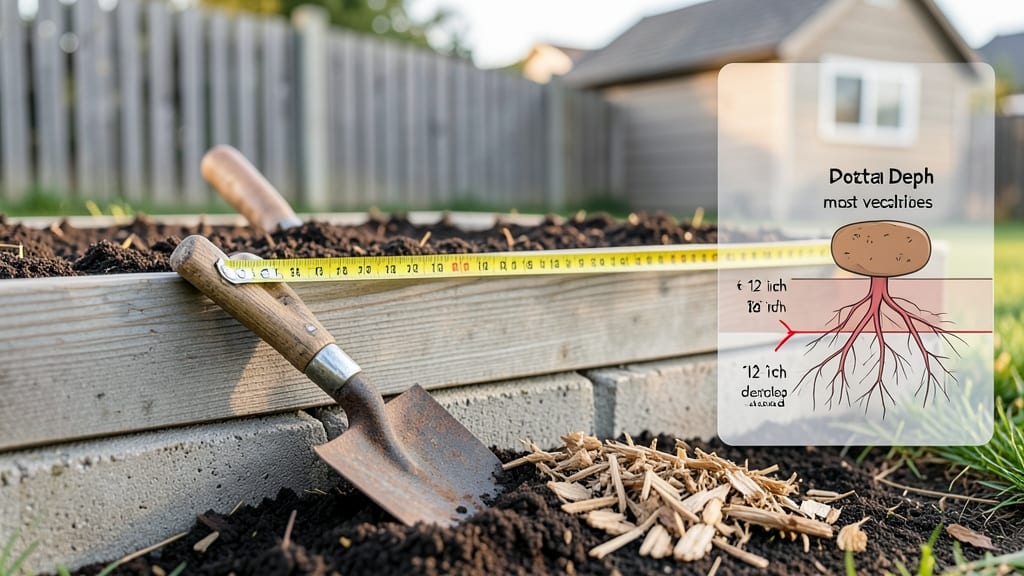
How deep to make raised garden beds ensures your 🌱 vegetables and herbs thrive with room to grow roots and drain properly.
You’ve probably seen beds that are too shallow—where carrots grow crooked or tomatoes struggle—and wondered if there’s a science to it. There is, and it starts with soil depth that matches your plants’ needs.
Most gardeners aim for 6 to 12 inches of soil for vegetables, but deep-rooted crops like asparagus or potatoes need 18 inches or more. Shallow beds work for lettuce or strawberries, but getting the depth wrong can mean stunted growth or wasted space.
Below, I’ll break down the exact measurements for different plants, how to adjust for heavy or sandy soil, and the best materials to extend depth without compromising your bed’s structure.
Ideal raised garden bed depth by plant type: root science explained
When designing your raised garden beds, depth isn't just about aesthetics—it's about giving plant roots the space they need to thrive. Most gardeners assume a one-size-fits-all approach, but the truth is that shallow-rooted herbs like basil need far less soil than deep-rooted vegetables like carrots.
The right depth prevents root binding, improves drainage, and ensures your plants have room to mature without competition.
Root systems vary dramatically between plant types. For example, lettuce and strawberries thrive in just 6-12 inches of soil, while tomatoes and asparagus require 18-24 inches to support their extensive root networks.
Understanding these differences helps you design beds that maximize yield and minimize stress on your plants from the start.
Here's the science behind it: Soil depth directly impacts root zone expansion. Deeper beds allow roots to access moisture and nutrients at lower levels, reducing competition between plants. They also prevent overheating in summer and freezing in winter.
The key is creating a layered soil profile that mimics natural conditions while accounting for your specific climate and plant selections.
For herbs and greens, a minimum of 6 inches works well, but adding 4-6 more inches creates a buffer for nutrient-rich topsoil. For root vegetables and fruiting plants, aim for 12-18 inches minimum.
And for perennial shrubs or deep taproots, 24 inches or more becomes essential for long-term success.
| Plant Type | Minimum Depth | Ideal Depth | Root Type |
|---|---|---|---|
| Herbs (basil, parsley, cilantro) | 6" | 10-12" | Shallow fibrous |
| Leafy Greens (lettuce, spinach, kale) | 6" | 10-12" | Shallow fibrous |
| Strawberries | 6" | 12" | Shallow fibrous |
| Carrots & Beets | 12" | 18-24" | Deep taproot |
| Tomatoes & Peppers | 12" | 18-24" | Deep fibrous |
| Asparagus & Rhubarb | 18" | 24+" | Deep perennial |
| Shrubs (blueberries, raspberries) | 18" | 24-36" | Deep woody |
Layering your soil is another critical factor. Start with 4-6 inches of compost-rich topsoil at the bottom for drainage, then add 4-6 inches of nutrient-dense garden soil, and finish with 2-4 inches of mulch or compost on top.
This creates a perfect environment where roots can spread horizontally while also growing deeper as needed.
For deep-rooted vegetables like tomatoes, consider building beds in tiers or using removable dividers to create deeper pockets. This approach lets you grow multiple crops in the same space without compromising root development. Just ensure the sides are sturdy enough to support the weight of moist soil and plants.
One common mistake is assuming deeper is always better. While extra depth helps, it's equally important to maintain proper soil aeration and moisture balance. Overly deep beds can dry out faster, requiring more frequent watering.
The solution? Add organic matter like compost or coconut coir to improve water retention while keeping the soil loose and breathable.
If you're growing multiple plant types in one bed, dedicate the deepest sections to root crops and the shallower areas to herbs and greens. This zoning approach prevents competition and makes harvesting easier.
For example, place carrots along one side of a 12-inch-deep bed and lettuce in the shallower center sections.
Remember that soil quality matters as much as depth. Even a 24-inch-deep bed filled with compacted clay won't support deep-rooted plants. Amend your soil
How to adjust raised bed depth for heavy or sandy soil conditions
Heavy clay soil can feel like a brick wall for your plants, while sandy soil drains so fast it’s like water running through a sieve. Both conditions demand smart adjustments to your raised bed depth and soil structure.
The key? Layering and amending the soil profile to create the perfect growing environment—without breaking the bank or your back.
If you’re starting from scratch, a 12-inch minimum depth is ideal for most vegetables, but heavy or sandy soils often need extra attention. For example, carrots and potatoes thrive with 18+ inches of loose, nutrient-rich soil, while strawberries or shallow herbs can manage with just 6–8 inches.
The trick is customizing your bed’s depth to match your soil’s natural challenges.
⚠️ callout-warning ⚠️
Don’t: Use concrete blocks or heavy pavers—they compact soil and suffocate roots. Wrong! Sandy soil needs organic matter, not rocks. Clay soil hates quick drainage fixes like gravel alone. Solution: Layer compost and peat moss instead. Test soil first! A simple jar test (fill a jar with soil + water) reveals drainage issues in seconds.
For sandy soil, focus on retaining moisture and nutrients. Start with a 6-inch base layer of compost or aged manure, followed by a mix of topsoil and peat moss (or coconut coir). This combo slows drainage while adding organic matter.
Top it off with 2–3 inches of mulch (straw or wood chips) to lock in moisture. Pro tip: Add a slow-release fertilizer like worm castings to feed plants over time.
If your soil is heavy clay, prioritize improving aeration and drainage. Build your bed 12–18 inches deep and fill it with a 50/50 mix of topsoil and perlite or coarse sand. Avoid compacting the soil—fluff it like a pillow before planting.
For extra insurance, add gypsum (calcium sulfate) to break up clay particles naturally. Deep-rooted plants like asparagus or rhubarb will reward you with years of growth.
Layering isn’t just for depth—it’s a soil sandwich that works for any condition. For example, in a 12-inch bed, alternate 4 inches of compost, 4 inches of topsoil, and 4 inches of sand/perlite mix.
This creates micro-zones for roots to explore, ensuring nutrients and water reach every plant. Test layers as you go: Stick your finger in—it should feel light and crumbly, not dense or gritty.
Remember, depth isn’t everything. Even a 6-inch bed can grow lettuce or radishes beautifully if the soil is rich and loose. The goal is balance: enough depth for roots, enough organic matter to hold moisture, and enough structure to drain excess water.
Start small, observe how your plants respond, and adjust layers next season. Your garden’s long-term health depends on it! 🌱