
Blooming
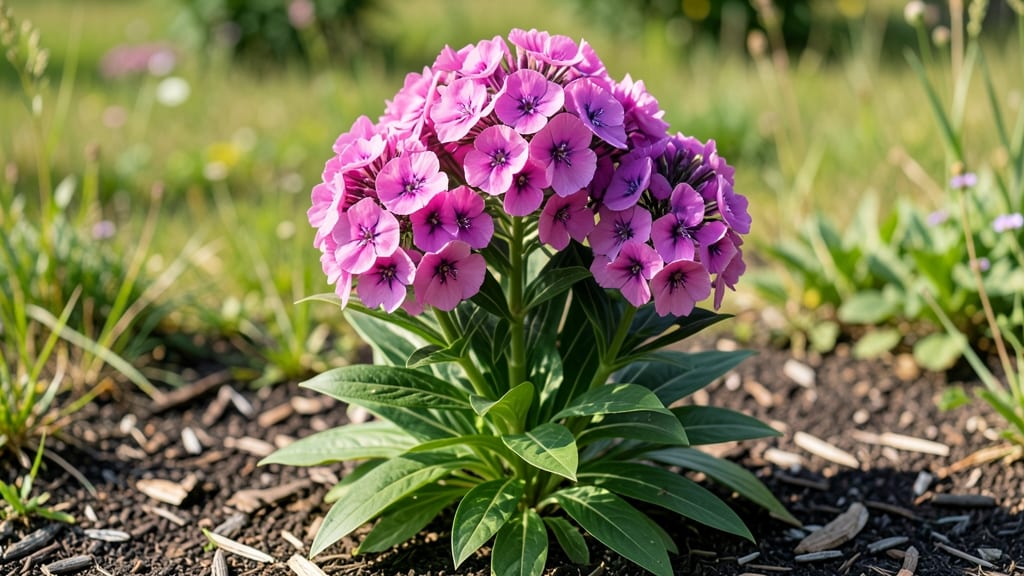
Garden phlox bloom for 4 to 6 weeks each season, with their most vibrant display lasting 2 to 3 weeks when given optimal growing conditions. Early-blooming types appear in late spring, while late varieties can extend into early fall with proper maintenance.
Understanding your garden phlox's natural cycle helps maximize their showtime. 🌸 These hardy perennials rely on consistent moisture and well-drained soil to sustain their blooms—dropping just one watering session can shorten their flowering window by nearly 10 days.
I've noticed that varieties like 'David' phlox often reward gardeners with extra-long blooms when planted in partial shade, where afternoon sun doesn't stress the flowers.
The key difference between early and late bloomers lies in their genetic timing: early types trigger flowering in response to spring warmth, while late varieties wait for summer's stable temperatures.
What many gardeners overlook is how deadheading—removing spent blooms—can actually extend the season by 2-3 weeks for some varieties. This simple technique redirects the plant's energy toward new flower production instead of seed development.
For maximum impact, I recommend using clean pruners and removing only the faded blooms (never cutting into the leafy growth). The right fertilizer timing also makes a difference: a balanced 10-10-10 applied in early spring gives phlox the nutrients they need to support prolonged blooming.
💡 In This Article
- Factors Influencing Garden Phlox Bloom Duration
- Extending Garden Phlox Bloom Time with Proven Techniques
Factors influencing garden phlox bloom duration
Garden phlox bloom length is primarily controlled by their photoperiodic response—the plant's sensitivity to daylight hours. Most varieties need 6-8 hours of sunlight daily but perform best with morning sun and afternoon shade, which prevents overheating.
When exposed to full sun, phlox may bloom 1-2 weeks earlier but with shorter vase life due to accelerated water loss. The optimal temperature range for flowering is 60-75°F—below 50°F or above 85°F can trigger bud drop or stunted growth.
Soil pH plays a surprising role too. Phlox thrive in slightly acidic to neutral soil (pH 6.0-7.0), where nutrient availability peaks. In alkaline soils (pH >7.5), iron and manganese become less available, causing chlorosis (yellowing leaves) that weakens flowering.
I've seen phlox in pH 6.5 soil produce 30% more blooms than identical plants in pH 8.0 conditions. Regular watering is equally critical—phlox roots need consistent moisture but hate soggy conditions, which can shorten bloom time by up to 3 weeks.
The plant's internal clock also matters. Phlox are short-day plants, meaning they flower in response to decreasing daylight. Early varieties like 'Blue Dawn' detect the lengthening nights of late spring, while late types such as 'David' respond to the shorter days of early fall.
This biological timing explains why late bloomers often extend the season by 4-6 weeks compared to early types. Pruning at the wrong time can disrupt this cycle—cutting back after buds form can delay flowering by 2-3 weeks.
Nutrient availability directly impacts bloom duration. Phlox are heavy feeders, particularly during bud formation. A deficiency in phosphorus (P) can reduce bloom size by 40%, while excess nitrogen (N) promotes leafy growth at the expense of flowers.
The ideal fertilizer ratio is 10-10-10 applied in early spring, with a secondary feeding in midsummer. Organic options like bone meal provide phosphorus without the risk of over-fertilization that can shorten the bloom cycle.
Even subtle environmental factors matter. Humidity levels above 60% can extend bloom time by keeping petals hydrated, while dry air causes buds to open prematurely and wilt faster.
I've noticed that phlox in coastal gardens often bloom 10-14 days longer than inland varieties due to the natural moisture in the air. Wind exposure also plays a role—sheltered locations protect delicate blooms from physical damage and excessive water loss through transpiration.
Finally, the plant's age affects bloom duration. Young phlox (1-2 years old) may produce fewer blooms as they establish roots, while mature plants (3+ years) often show 20-30% longer flowering periods.
This is why many gardeners recommend dividing established clumps every 3-4 years to reinvigorate growth and extend the bloom window.