
How To
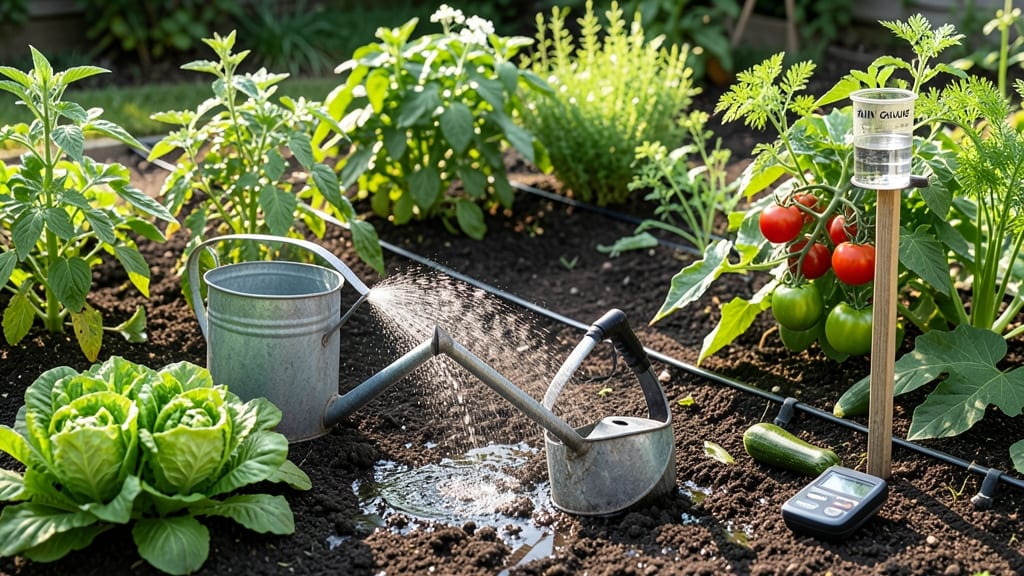
Watering your vegetable garden the right length of time is the difference between a thriving harvest and wasted effort — most vegetables need 1–2 inches of water per week, but timing it correctly depends on soil, plants, and weather.
Picture this: you’re out there with the hose, thinking you’re doing everything right, but your tomatoes are cracking or your lettuce bolts into bitter stems. That’s the frustration of guessing instead of measuring. The secret isn’t just how often you water—it’s how long you let that water sink in.
In this guide, I’ll break down the deep-soil rules by crop type, from leafy greens that need just 10–15 minutes to root veggies that demand 20–30 minutes of steady moisture.
You’ll also learn how to adjust for clay vs. sandy soil, scorching heat, and the telltale signs of over- or underwatering.
By the end, you’ll water with confidence—no more second-guessing, no more wasted water, and a garden that rewards you with plump, healthy produce all season long.


Deep-watering rules by vegetable type: how long to water for maximum root growth
Mastering deep-watering techniques transforms your vegetable garden from struggling to thriving. The golden rule is delivering 1-2 inches of water per week directly to the root zone, but timing varies wildly by plant type.
Leafy greens like spinach and lettuce need quick, frequent hydration, while tomatoes and peppers demand deeper, longer sessions to develop robust roots and heavy fruit loads.
Why does timing matter so much? Plants with shallow roots—like arugula or radishes—can't access moisture deep in the soil. When you water too briefly, their roots stay near the surface, making them vulnerable to heat stress and drought damage.
Meanwhile, deep-rooted crops like carrots or squash need slow, consistent moisture to encourage roots to grow downward, where they can find nutrients and stability.
Here’s the science: Most vegetable roots reach their maximum depth by mid-summer. If you’re not watering deeply enough, you’re essentially starving the lower half of the plant. The key is to water long enough that moisture penetrates 12-18 inches into the soil—deep enough to reach the roots of mature plants.
Use a soil probe or your finger to check: If the soil is dry 2 inches down, it’s time to water again.
| Vegetable Type | Watering Duration | Root Depth | Seasonal Adjustments |
|---|---|---|---|
| Leafy Greens (spinach, lettuce, kale) | 10–15 minutes | 4–6 inches | Increase by 50% in summer |
| Root Vegetables (carrots, beets, radishes) | 20–30 minutes | 12–18 inches | Reduce in fall to harden roots |
| Fruiting Plants (tomatoes, peppers, cucumbers) | 25–45 minutes | 18–24 inches | Daily in peak heat (90°F+) |
| Herbs (basil, parsley, cilantro) | 10–20 minutes | 6–12 inches | Drought-tolerant; reduce in winter |
For leafy greens, think of watering as a light shower—just enough to keep the top 2 inches of soil moist. A 10-15 minute session with a gentle sprinkler or drip irrigation is perfect.
These plants grow quickly and have shallow roots, so frequent, shallow watering prevents bolting (when they flower prematurely). I’ve found that watering leafy greens in the morning reduces fungal risks like downy mildew, which thrives in damp evening conditions.
Now, let’s talk about root vegetables, the divas of deep-watering. Crops like carrots and beets need 20-30 minutes of watering to encourage long, straight roots. The secret? Consistency is king. Inconsistent moisture leads to forked or stunted roots.
Use a soaker hose placed at the base of the plants—this delivers water directly to the roots without disturbing the soil surface, which can expose tender seedlings to pests.
When it comes to fruiting plants, think marathon, not sprint. Tomatoes, peppers, and cucumbers need 25-45 minutes of watering because their roots dive deep (up to 24 inches!) and they produce heavy fruit loads.
During peak summer, I often split their watering into two sessions: once in the early morning and again in the late afternoon. This mimics natural rainfall patterns and keeps the soil evenly moist, which is critical for preventing blossom-end rot in tomatoes.
Seasonal adjustments are non-negotiable. In spring, when soil is cooler and plants are establishing roots, you can water less frequently but for longer durations. By summer, increase both frequency and duration—especially if you’re dealing with sandy soil, which drains quickly.
A simple trick? Mulch heavily (2-3 inches of straw or wood chips) to retain moisture and reduce evaporation. In fall, taper back on watering for root crops to sweeten their flavor, but keep fruiting plants hydrated until the first frost.
Pro tip: Always water at the base of the plant, not overhead. This prevents leaf diseases like powdery mildew and ensures water reaches the roots where it’s needed most. If you’re unsure whether you’ve watered enough, dig down with a trowel or your finger.
If the soil feels dry past 2 inches, keep watering until moisture reaches at least 6 inches deep for most vegetables.
Remember, the goal isn’t just to keep plants alive—it’s to grow healthier, more productive vegetables. By tailoring your watering time to each plant’s needs, you’ll see stronger stems, deeper roots, and bigger harvests. And when in doubt, observe
How to adjust watering time based on soil type, weather, and plant age
Adjusting your watering schedule isn't one-size-fits-all—it depends on your soil type, current weather conditions, and the age of your plants. For example, clay soil holds moisture longer than sandy soil, while young seedlings need frequent, light watering compared to mature plants.
Even the same crop may need different watering times during drought versus rainy periods.
Start by testing your soil moisture with your finger or a moisture meter. Sandy soil may need watering every 2-3 days for just 10-15 minutes, while clay soil might only require 20-30 minutes every 5-7 days.
Always water deeply to encourage root growth rather than shallowly, which leads to weak roots.
Young plants, especially seedlings and transplants, need more frequent watering—daily or every other day—because their root systems are still developing. Mature plants, on the other hand, can handle longer intervals between waterings, often 5-7 days if the soil stays moist.
Adjust based on plant wilting or yellowing leaves, which are clear signs of over- or underwatering.
Adjusting Watering Time by Factor
| Factor | Adjustment | Pros | Cons |
|---|---|---|---|
| Clay Soil | Water less frequently (every 5-7 days) but longer (30-45 mins). | Prevents root rot; retains moisture. | Risk of overwatering if not monitored. |
| Sandy Soil | Water more frequently (every 2-3 days) but shorter (10-20 mins). | Encourages deep root growth. | Dries out quickly; needs consistent checks. |
| Drought Conditions | Increase watering time by 50% and frequency to 2-3x/week. | Supports plant resilience during heatwaves. | Can lead to fungal issues if soil stays too wet. |
| Young Plants | Water daily or every other day for 10-20 mins. | Supports root establishment. | Overwatering can cause damping-off disease. |
| Mature Plants | Water every 5-7 days for 20-45 mins. | Encourages deeper root systems. | Underwatering can stress plants during fruiting. |
Watch for visual cues like wilting leaves (underwatering) or yellowing foliage (overwatering). Mold or fungal growth at the soil line means you're watering too much, while crispy edges on leaves signal drought stress. Use a moisture meter for precision, especially in container gardens, where soil dries out faster.
Morning watering is ideal—it reduces evaporation and gives plants time to dry before nightfall, preventing fungal diseases. If you're unsure, stick to the finger test: Insert your finger 1-2 inches into the soil.
If it feels dry, it's time to water. Adjust your schedule seasonally—summer heat may require daily watering, while fall rains might cut your schedule in half.
Remember, consistency is key. Inconsistent watering stresses plants more than occasional deep soakings. By tuning your approach to your soil type, weather, and plant age, you'll keep your vegetable garden thriving all season long. 🌱