
Light Requirements
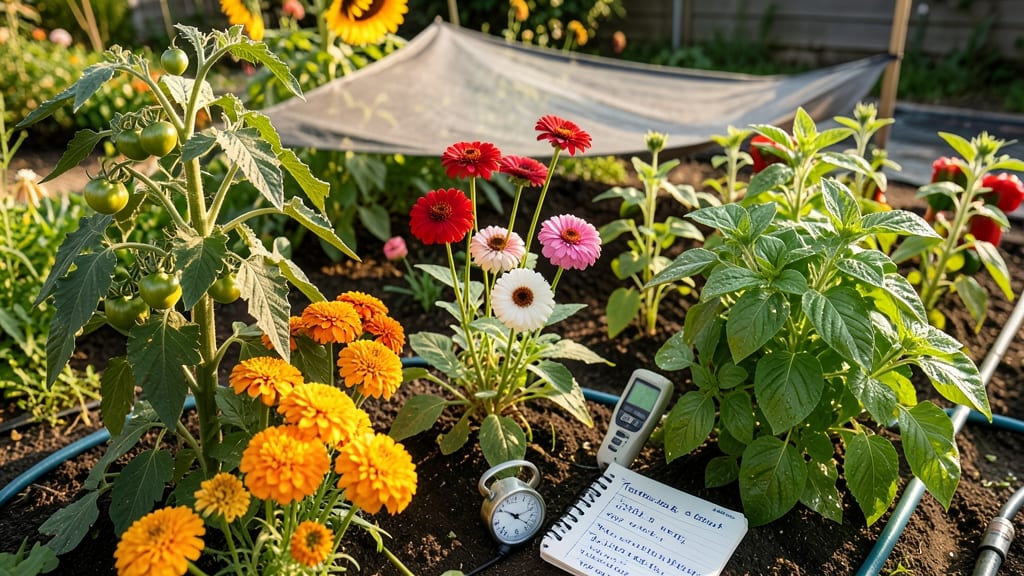
Garden growth hinges on sunlight hours—most plants need between 6 and 8 hours daily to thrive, but some varieties demand far more or far less.
Struggling to decide where to plant your tomatoes or why your herbs keep wilting? Sunlight is the single most critical factor in garden success—and getting it wrong can mean the difference between a thriving harvest and a sad, struggling plot.
Too little light stunts growth, while too much scorches delicate leaves. The good news? With the right placement, shade solutions, and plant selection, you can maximize every ray your garden receives—even in partial shade.
Below, I break down the exact sunlight ranges your garden needs, how to measure what you’ve got, and how to adjust for seasonal changes so every plant gets its perfect dose.


Sunlight requirements by plant type: full sun vs partial shade vs low light needs
Understanding your garden's sunlight exposure is like knowing the secret ingredient in a successful harvest. Most plants thrive with 6-8 hours of direct sun, but some need far less—even as little as 2-3 hours for shade-loving varieties.
The key is matching your plant types to their ideal light conditions, whether that’s full sun, partial shade, or low light spots.
For example, tomatoes and peppers crave 8+ hours of sun to produce sweet, flavorful fruits, while lettuce and spinach bolt in too much heat and prefer 3-4 hours of morning sun.
Even herbs like mint and parsley can scorch in intense afternoon rays. Let’s break down the sunlight spectrum and which plants belong where.
🌱 Pro Tip: Use a sunlight meter or observe your garden for a week to map out sunlight hotspots and shady corners. This helps you design a balanced garden layout that maximizes growth potential.
| Plant Type | Sunlight Range | Best For | Examples |
|---|---|---|---|
| Full Sun | 6-8+ hours | Vegetables, Fruits, Flowers | Tomatoes, Peppers, Basil, Marigolds, Lavender |
| Partial Shade | 3-6 hours | Herbs, Leafy Greens, Some Flowers | Rosemary, Spinach, Arugula, Impatiens, Coleus |
| Low Light | 2-3 hours | Shade-Tolerant Plants | Hostas, Ferns, Caladiums, Astilbe, Sweet Woodruff |
| Full Shade | <2 hours | Woodland Plants | Hellebores, Lungwort, Japanese Painted Fern |
🌿 Note: Adjust for climate zones—cooler regions may need more sun, while hot, dry areas benefit from afternoon shade.
Let’s dive deeper into the full sun category, where 6-8+ hours of direct sunlight fuels powerhouse plants. Tomatoes, for instance, need 8+ hours to develop sweet, juicy fruits, while peppers thrive with 7-8 hours of morning sun.
Even herbs like basil and oregano flourish here, but avoid planting them near large trees that cast deep shade.
For partial shade (3-6 hours of sun), think of this as the goldilocks zone for many herbs and greens. Rosemary, for example, prefers 4-6 hours of sun to avoid leaf burn, while spinach and arugula bolt in full sun but thrive with morning sun and afternoon shade.
This category also includes shade-tolerant flowers like impatiens and coleus, perfect for brightening shady garden corners.
Don’t overlook low-light areas—they’re ideal for shade-loving perennials like hostas and ferns, which add texture and color without demanding much sunlight. These plants often thrive under trees or along north-facing walls, where direct sun is minimal.
Even some vegetables, like bok choy, can tolerate 3-4 hours of filtered light, making them great for container gardens on patios.
If your garden has full shade spots (less than 2 hours of sun), focus on woodland natives like hellebores and lungwort. These plants evolved to thrive in dappled light and add year-round interest to shady borders. Pair them with moss and ground covers to create a lush, low-maintenance understory.
One common mistake? Assuming all sun = good sun. In hot climates, plants like tomatoes may need afternoon shade to prevent wilting. Use shade cloth (30-50% coverage) to filter intense rays while still providing bright, indirect light.
Conversely, northern gardens often need south-facing beds to maximize sun exposure during shorter days.
To test your garden’s sunlight conditions, place a white board or chalk marker in different spots for a week. Mark the hours the sun hits each area—this visual map will help you plan your plant placement like a pro.
For example, morning sun is gentler than afternoon sun, making it ideal for shade-sensitive plants like lettuce.
How to measure sunlight in your garden (and fix common mistakes)
Measuring sunlight in your garden isn’t just about guessing—it’s about precision. Most plants need 6 to 8 hours of direct sunlight daily, but some thrive with less or more.
Without accurate measurements, you might accidentally place your tomatoes in shade or your ferns in full sun, leading to poor growth or even plant death.
I’ve made this mistake myself—planting roses in a spot I thought was full sun, only to watch them struggle when they actually only got 4 hours of light. The key is understanding how to measure sunlight accurately and adjust your garden layout accordingly.
⚠️ callout warning ⚠️
⚠️ Don’t Assume "Full Sun" Means 8+ Hours!
Many gardeners overestimate sunlight exposure. 6 hours of direct sun qualifies as "full sun," but 4-6 hours is "partial shade," and less than 4 hours is "low light." Use a sunlight meter or shade calculator app for accuracy—your eye can be misleading, especially in filtered light.
💡 Pro Tip: Check sunlight at different times of day—morning sun is cooler than afternoon sun, and both affect plant needs.
Start by identifying your garden’s microclimates, or areas with unique sunlight patterns. A spot near a fence or tree might get only 2 hours of sun while the open area next to it gets 10 hours.
Use a simple sunlight journal for a week: mark down the hours of direct light each area receives at different times of day.
For a quick fix, use shade cloth or reflective mulch to adjust sunlight exposure. If your peppers are getting too much sun, drape a 30% shade cloth over them.
If your hostas aren’t getting enough, move them to a slightly sunnier spot or add a reflective surface nearby to bounce extra light.
Don’t forget to account for seasonal changes—what’s full sun in summer might be partial shade in winter. In my Zone 6 garden, I adjust plant placement every spring and fall to match the shifting sunlight patterns. A little planning now saves you from wilting plants or stunted growth later.
Finally, group plants with similar sunlight needs together. Place sun-loving tomatoes and peppers in the brightest spots, partial-shade plants like basil and lettuce in mid-light areas, and shade-tolerant ferns and hostas in the dimmest corners. This simple strategy maximizes your garden’s potential and minimizes wasted space.