
Light Requirements
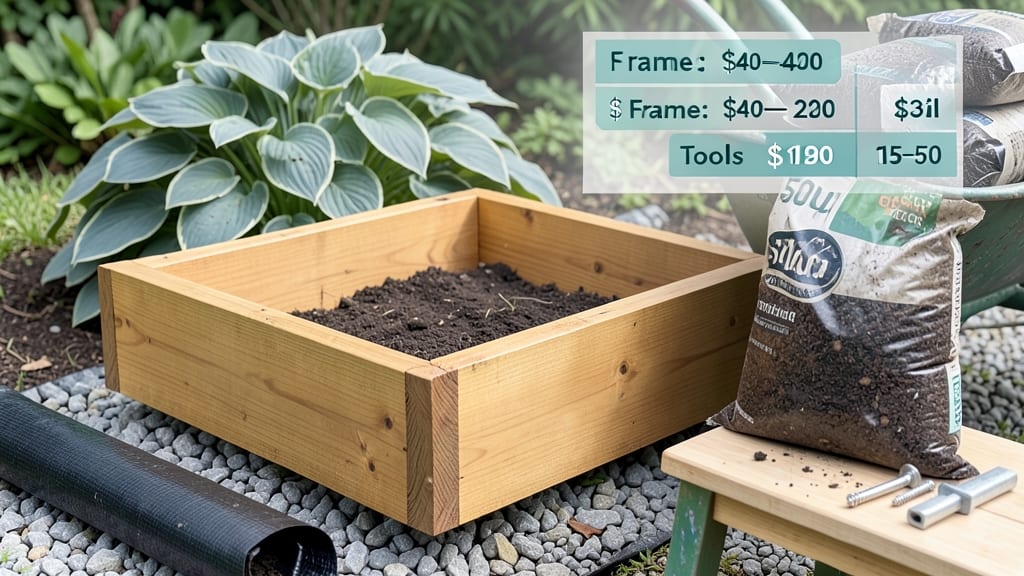
Raised garden beds cost $100–$1,200+, with a standard 4'x8' bed ranging from $200–$600 depending on materials like cedar ($300–$800) or composite lumber ($500–$1,200). DIY kits cut expenses by 30–50%, while pre-built beds with soil and plants can reach $1,500+. Professional installation adds $50–$200.
A raised garden bed's price depends heavily on the materials you choose and whether you build it yourself or buy pre-assembled. 🌱 Cedar remains one of the most popular options due to its natural resistance to rot, though it's pricier than treated lumber.
Composite lumber offers longevity without the maintenance, but the upfront cost is significantly higher. For budget-conscious gardeners, repurposing materials like cinder blocks or reclaimed wood can slash costs while still delivering great results.
Size also plays a major role—larger beds require more materials and labor, but they offer better long-term value through improved soil retention and reduced water usage. If you're considering a custom design, factor in additional costs for hardware, drainage systems, and any special features like built-in seating or trellises.
💡 In This Article
- Raised Garden Bed Cost Breakdown by Material and Size
- Ways to Save Money on Raised Garden Beds (DIY vs. Pre-Made)
Raised garden bed cost breakdown by material and size
A 4'x4' raised bed built with cedar planks costs $200–$400, while a 4'x8' version jumps to $300–$600 due to the 2x increase in material volume. Cedar's natural resistance to rot and insects makes it a favorite, but its cost per board foot (~$3–$6) is higher than treated pine (~$1–$2).
For example, a 6'x2' bed in cedar runs $450–$750, while the same size in redwood—another rot-resistant wood—costs $500–$850 due to its premium pricing (~$4–$7 per board foot).
Composite lumber beds, made from recycled wood fibers and plastic, start at $500–$1,200 for a 4'x8' size because each board costs $8–$15 per foot. These materials eliminate maintenance costs over time since they don’t warp or rot, but their upfront expense is nearly double that of cedar.
A custom 8'x4' bed in composite lumber can reach $1,000–$1,500+, depending on brand and thickness. Recycled plastic beds, like those made from HDPE, offer the longest lifespan (20+ years) but start at $600–$1,200 for a 4'x8' unit.
Labor costs add $50–$200 if you hire professionals for assembly or installation. A 4'x8' bed typically takes 2–3 hours to assemble, with labor rates varying by region—$25–$50/hour in rural areas vs. $50–$100/hour in urban centers.
For example, a 6'x3' bed might cost $150–$300 in labor if you need help digging the base or installing drainage. DIY assembly cuts costs by 30–50%, but proper leveling and corner bracing are critical to prevent warping over time.
Size directly impacts cost per square foot. A 4'x4' bed has 16 sq ft of growing space, while a 4'x8' offers 32 sq ft—but the latter costs only 50% more in materials. This means larger beds are more cost-effective per square foot.
For instance, a 4'x8' cedar bed costs $12–$20 per sq ft, while a 4'x4' costs $15–$25 per sq ft. Custom shapes or taller beds (12" vs. 6" height) increase material needs by 20–30%, adding $50–$150 to the total.
Consider these key factors when budgeting: Soil costs add $50–$200 for a 4'x8' bed (topsoil: $10–$20 per cubic yard), while hardware (screws, brackets) runs $20–$50. If you opt for pre-built kits, prices rise by 10–20% due to convenience.
For example, a 4'x4' kit with cedar and hardware might cost $350–$500, while a custom 8'x4' project could exceed $1,500 with premium materials and labor.
Long-term savings come from soil retention—raised beds reduce water use by 25–40% compared to ground planting, cutting irrigation costs over years. A 4'x8' bed with cedar framing lasts 10–15 years, while composite lasts 20+ years, making them a wise investment for serious gardeners. 🌿