
Light Requirements
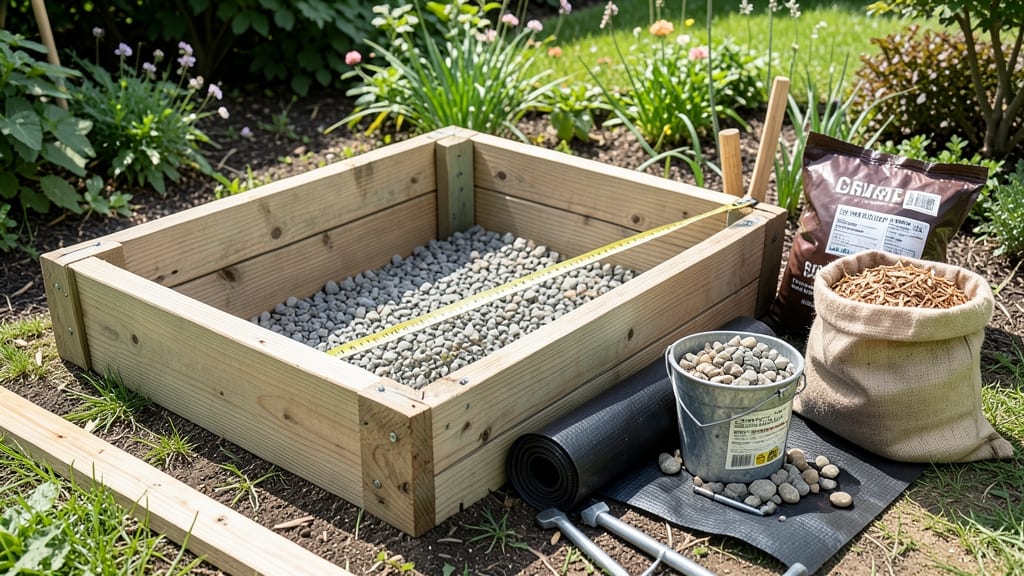
Building raised garden beds costs between $100 and $1,000+, depending on size, materials, and whether you DIY or hire help. A 4x8-foot cedar bed typically runs $200–$500, while larger or custom designs with treated lumber or stone can exceed $800. Soil, drainage, and hardware add $50–$200 extra. Smaller kits start as low as $50 for basic cedar or composite lumber options.
Your final cost depends heavily on the materials you choose—cedar and redwood are pricier upfront but last longer, while pressure-treated pine cuts expenses but may need replacement sooner. 💰 For example, a 4x8-foot bed built from 6x6 cedar posts and 2x6 cedar boards will cost more than one made from pressure-treated pine, which can be half the price per board.
I've seen DIYers save hundreds by buying lumber in bulk or using reclaimed materials like cinder blocks or old pallets for the frame.
Don't forget to budget for the unseen costs too—soil quality, drainage layers, and hardware like screws or corner brackets can add up quickly. Many gardeners overlook these details until they're at the store, only to realize they've underbudgeted by $50–$100.
Pro tip: Check local recycling centers or construction sites for free or discounted materials like bricks or pavers that can double as bed borders.
💡 In This Article
- Raised Garden Bed Cost Factors by Material Type
- Budget-Smart Ways to Lower Raised Bed Construction Costs
Raised garden bed cost factors by material type
The cost of building raised garden beds varies dramatically based on the materials you select, each with distinct trade-offs between upfront expense and long-term durability.
Cedar, for instance, costs $4–$7 per board foot due to its natural resistance to rot and insects, making it ideal for beds that will last 10–15 years with minimal maintenance.
Redwood, another premium option, runs $5–$8 per board foot but offers even greater longevity—15–20 years—because of its high tannin content, which repels pests and resists decay.
In contrast, pressure-treated pine, a budget-friendly alternative at $1.50–$3 per board foot, requires more frequent replacements every 5–7 years due to chemical leaching and moisture damage.
Composite lumber presents a middle-ground solution, priced around $3–$6 per board foot, blending durability with lower maintenance than wood. These materials mimic the look of cedar or redwood but resist warping and cracking, making them perfect for areas with high humidity or fluctuating temperatures.
Stone or brick borders add a premium aesthetic but can double costs—$10–$20 per square foot for materials alone—while requiring professional installation for leveling and mortar work.
For example, a 4x8-foot bed with cedar framing and stone borders might cost $600–$900, compared to $200–$300 for the same size in pressure-treated pine.
Regional lumber prices play a surprising role in your final cost. In coastal areas like the Pacific Northwest, cedar and redwood are abundant, reducing prices by 10–20% compared to inland states where these woods must be shipped.
Meanwhile, pressure-treated pine is often cheaper in the South due to local mills, while composite lumber costs spike in urban areas where shipping adds $50–$100 to a single order.
Always check local home improvement stores for sales—cedar boards can drop to $3–$4 per board foot during seasonal promotions, shaving $50–$100 off a 4x8-foot bed.
Labor costs add another layer to the equation, especially if you hire help. A professional installer typically charges $50–$100 per hour, and a 4x8-foot bed might take 2–3 hours to assemble, including leveling and securing the frame.
DIY assembly, however, cuts this cost entirely—all you need is a drill, screws, and 30–60 minutes of your time. For larger or multi-bed projects, renting a post-hole digger ($60–$80/day) or hiring a helper for $25–$40/hour can still save you $200–$400 compared to full professional installation.
Hidden costs often catch gardeners off guard, particularly when it comes to soil and drainage. A 4x8-foot bed requires 2–3 cubic feet of soil mix, which can cost $10–$30 per bag depending on quality. Adding a gravel or landscape fabric drainage layer adds $15–$40 to the project.
Hardware like corner brackets ($2–$5 each) or galvanized screws ($10–$20 per pound) might seem minor, but they add up quickly—especially if you’re building multiple beds.
Skipping these details can lead to structural failures, like warped frames or soil spillage, costing you $50–$150 in repairs down the line.
For those on a tight budget, repurposing materials can slash costs dramatically. Old pallets, for instance, often cost $10–$20 each and can be disassembled into 2x4 or 2x6 boards for framing.
Cinder blocks ($1–$3 each) or bricks ($0.50–$2 each) serve as sturdy, low-cost borders, while scrap metal or PVC pipes ($5–$15 per 10-foot section) can create durable corner supports.
The key is balancing short-term savings with long-term functionality—pressure-treated pine might save you $100 upfront, but replacing it in 5 years could cost more than investing in cedar from the start.