
Light Requirements
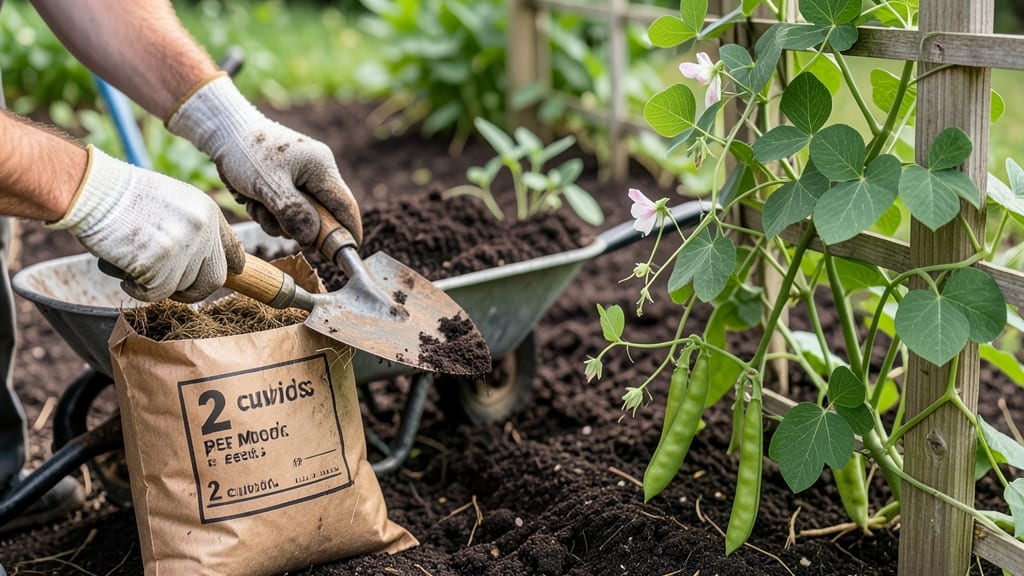
To determine how much peat moss to add to garden soil, use a 20-30% peat moss ratio for most plants, but adjust for sandy soils (10-20%) and clay-heavy soils (up to 40%) to optimize drainage and acidity levels.
Peat moss is a game-changer for soil health, especially when you're dealing with plants that crave acidic conditions like blueberries or hydrangeas. 🌱 The right mix not only boosts drainage but also helps retain moisture—critical for root development.
I always recommend testing your soil's current pH first; if it's too alkaline, a higher peat moss percentage (up to 50%) can make a dramatic difference in plant vitality.
For sandy soils, which drain too quickly, adding just 10-20% peat moss helps retain nutrients without compacting the loose structure. Meanwhile, clay-heavy soils benefit from 30-40% peat moss to break up density and improve aeration.
Think of peat moss as the soil's sponge—it absorbs excess moisture while still allowing roots to breathe.
💡 In This Article
- Peat Moss Soil Amendments by Garden Type
- Step-by-Step Guide to Mixing Peat Moss into Garden Soil
Peat moss soil amendments by garden type
The amount of peat moss you should mix into your garden soil depends entirely on its existing composition, as each soil type presents unique challenges. Sandy soils, with their coarse particles, drain water too quickly and struggle to retain nutrients.
Adding only 10-20% peat moss creates tiny air pockets that slow drainage while holding onto moisture—imagine sprinkling fine sand into a sieve to trap more water without clogging it. This small percentage also prevents compaction, which is critical for plants like tomatoes that need both aeration and consistent moisture.
For clay-heavy soils, where dense particles pack tightly and restrict root growth, the solution lies in incorporating 30-40% peat moss. The fibrous structure of peat moss acts like a scaffold, breaking up clay's hardpan while improving aeration.
When mixed properly, clay soil transforms from a suffocating brick to a loamy texture that crumbles easily between fingers—similar to how adding sawdust to wet cement prevents cracking. The increased porosity also encourages beneficial microbial activity, which helps decompose organic matter more efficiently.
Most gardeners work with loamy soils, which already balance sand, silt, and clay. Here, 20-30% peat moss strikes the perfect equilibrium: it lowers pH slightly (ideal for acid-loving plants) while improving water retention without over-saturating.
The magic happens at the molecular level—peat moss's high cation exchange capacity (CEC) allows it to hold onto essential nutrients like nitrogen and potassium, releasing them gradually as plants need them.
This is why acid-loving plants like blueberries thrive in these amended soils, with pH levels dropping from neutral (7.0) to acidic (4.5-5.5).
Special cases emerge with acid-loving plants like azaleas or rhododendrons, where 50-70% peat moss may be necessary to achieve the 4.5-5.5 pH range they require. The higher percentage isn't just about acidity—it's about creating an environment where these plants can access nutrients they'd otherwise starve for.
For example, iron becomes more available at lower pH levels, preventing chlorosis (yellowing leaves) that plagues many ornamental shrubs in alkaline soils. Think of peat moss as a pH regulator, fine-tuning your soil's chemistry like adjusting the acidity in a perfect cup of coffee.
Visualize peat moss's impact by comparing unamended soil to amended soil after a rainstorm. Unamended clay soil becomes a muddy mess, while amended soil absorbs water like a sponge, preventing runoff and erosion.
The texture changes from hard and compact to soft and friable—almost like the difference between wet sand and damp potting soil. This transformation isn't just aesthetic; it directly affects root penetration depth, which can double in well-amended soils compared to untreated heavy clay.
What most gardeners overlook is how peat moss's organic matter content (about 90% carbon) feeds soil life over time. As microbes decompose the peat, they release humic acids that further improve soil structure and nutrient availability.
This long-term benefit makes peat moss more than just a temporary fix—it's an investment in your soil's future fertility. For container gardens, where soil volume is limited, using 50% peat moss in potting mixes ensures optimal conditions for delicate plants like ferns or calatheas that demand consistent moisture and acidity.