
Flowers
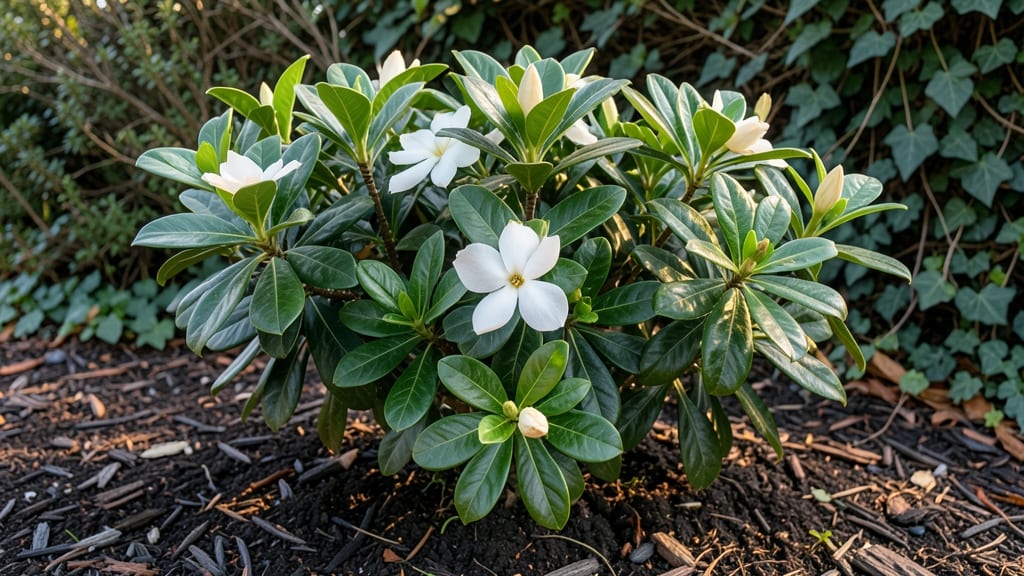
Gardenias look like they’ve taken a winter nap—leaves often drop, stems may appear bare, and those glossy evergreen traits fade into dormancy 🌸.
If you’ve ever wondered whether your gardenia shrub has vanished into thin air during winter—or if it’s just hibernating—you’re not alone. The truth is, gardenias undergo dramatic seasonal changes, but understanding their dormant state can help you care for them properly and even predict when those fragrant blooms will return.
During colder months, gardenias in USDA Zone 6a and beyond may shed most of their leaves, leaving behind woody stems and a few stubborn evergreen leaves. This isn’t a sign of trouble—it’s nature’s way of conserving energy until spring.
Some varieties might retain a few leaves, but don’t expect the lush, glossy foliage you’re used to seeing in warmer weather.
Below, I’ll break down what to expect from your gardenia’s winter appearance, how to tell if it’s healthy or struggling, and the simple care tips to keep it thriving until spring blooms arrive.
Identifying winter dormancy: what gardenia leaves and stems look like
When winter arrives, your gardenia shrub may seem to disappear, leaving you wondering if it’s dead or just dormant. In reality, gardenias enter a natural winter state where their appearance changes dramatically.
Understanding these seasonal transformations helps you distinguish between healthy dormancy and potential disease or stress. The key lies in observing leaf patterns, stem conditions, and bud development.
Most gardenias are semi-evergreen, meaning they’ll shed some leaves but retain a few throughout winter. However, the extent of leaf drop depends on your USDA zone and the specific variety.
In colder regions (zones 6-8), gardenias may lose 70-90% of their foliage, while milder climates (zones 9-11) often see minimal shedding. The remaining leaves may turn yellow or brown but stay attached until spring.
| Feature | Healthy Dormancy | Stress/Disease |
|---|---|---|
| Leaves | Mostly fallen; remaining leaves dark green or yellowing but firm | Brown or crispy leaves; mushy spots or blackened edges |
| Stems | Brownish-gray bark; bud scales visible (tight, overlapping) | Blackened or oozing stems; soft to touch |
| Branches | Bare but sturdy; no wilting | Drooping or brittle branches; peeling bark |
| Bud Activity | Bud scales form; no blooms until spring | Bud rot (mushy, discolored); no new growth |
| Root Zone | Dry but firm soil; no mold | Soggy or foul-smelling soil; root rot signs |
The stems of dormant gardenias develop a distinctive bark color, shifting from green to a brownish-gray hue. This is normal and indicates the plant is conserving energy. Look closely for bud scales—tight, overlapping structures that protect next year’s blooms.
These scales are a positive sign of healthy dormancy, as they shield developing buds from cold and frost.
One of the most confusing aspects of winter gardenias is the leaf drop pattern. Unlike fully deciduous plants, gardenias don’t shed all their leaves at once. Instead, they gradually lose foliage over weeks, often starting with the oldest leaves.
If you notice sudden, extensive leaf drop—especially if leaves turn black or brown quickly—this could signal fungal disease or bacterial infection, not dormancy.
Pay attention to the texture of remaining leaves. Healthy dormant leaves should feel leathery and dry, not soft or waterlogged. If leaves remain green but wilted, your gardenia might be underwatered or struggling with root issues.
In contrast, bright yellow leaves often indicate overwatering or nutrient deficiency, common in winter when soil nutrients deplete.
Another key indicator is the growth of new stems. Dormant gardenias typically halt all new growth until spring, but you might spot tiny green shoots in late winter if your climate is mild.
These shoots are a sign the plant is preparing to bloom and should be protected from late frosts. If you see black or mushy stems, however, this suggests stem rot, a serious issue requiring immediate action.
In regions with frost or snow, gardenias may develop a white, powdery coating on leaves or stems—this is frost damage, not dormancy. While minor frost won’t kill the plant, severe cold can discolor stems and kill buds.
To distinguish frost damage from dormancy, check for crunchy or brittle stems; healthy dormant stems remain flexible and firm.
If your gardenia’s stems appear shriveled or hollow, this could be a sign of sunscald, where winter sun damages exposed bark. This often happens in potted gardenias moved indoors or outdoors without protection.
To prevent this, provide light shade during sunny winter days and mulch around the base to insulate roots.
Finally, observe the overall structure of your gardenia. A dormant gardenia should look compact and sturdy, even if leafless. If branches
Why gardenias lose leaves in winter: the science behind leaf drop
Gardenias naturally shed leaves in winter as part of their survival strategy against cold temperatures. This leaf drop isn't a sign of poor health—it's a physiological response to conserve energy when growth slows.
The plant redirects resources to protect its root system and buds, which are more vulnerable to freezing. In colder climates like USDA Zone 7 and below, this adaptation becomes even more critical for survival.
Most gardenias are semi-evergreen, meaning they retain some leaves year-round in mild climates but drop more foliage in winter. Deciduous varieties (like Gardenia jasminoides in harsh winters) may lose nearly all leaves, while evergreen types keep a few for photosynthesis.
The key difference lies in their genetic hardiness and climate adaptation. For example, gardenias grown in Zone 8-10 often keep most leaves, while those in Zone 6 may appear nearly bare.
What Gardenias Look Like in Winter
The cold stress response triggers leaf drop by reducing photosynthesis efficiency. When temperatures drop below 40°F (4°C), gardenias prioritize water conservation over leaf maintenance. This process is regulated by hormonal changes, particularly an increase in abscisic acid, which signals cells to detach leaves.
Interestingly, gardenias in coastal climates (like Florida) may retain leaves longer due to milder winters, while inland plants shed more aggressively.
Regional climate plays a huge role in how gardenias behave. In southern states, gardenias might only lose 20-30% of leaves, while in northern zones, they can appear 90% bare.
For instance, a gardenia in Atlanta (Zone 7b) will drop more leaves than one in Miami (Zone 10b). This variation explains why some gardeners in colder areas worry their plants are dying—when in reality, they’re just adapting to survive.
Understanding this helps you avoid overwatering or fertilizing during dormancy, which can stress the plant further.
Another critical factor is light exposure. Gardenias in full shade may retain leaves longer because cooler microclimates slow metabolic changes. However, those in direct winter sun (like unprotected garden beds) lose leaves faster due to cold wind desiccation.
If your gardenia is in a windy location, consider adding burlap windbreaks or mulch to protect it. This simple step can reduce leaf loss and preserve energy for spring regrowth.
So, if your gardenia looks like it’s "disappearing" in winter, don’t panic! It’s not a sign of death—it’s a smart survival tactic. By late winter (around February), you’ll start seeing new growth and buds swelling as temperatures rise.
This is your cue to reduce watering slightly and avoid pruning until after the last frost. With patience, your gardenia will reward you with fragrant blooms by spring, just as vibrant as ever.