Plants
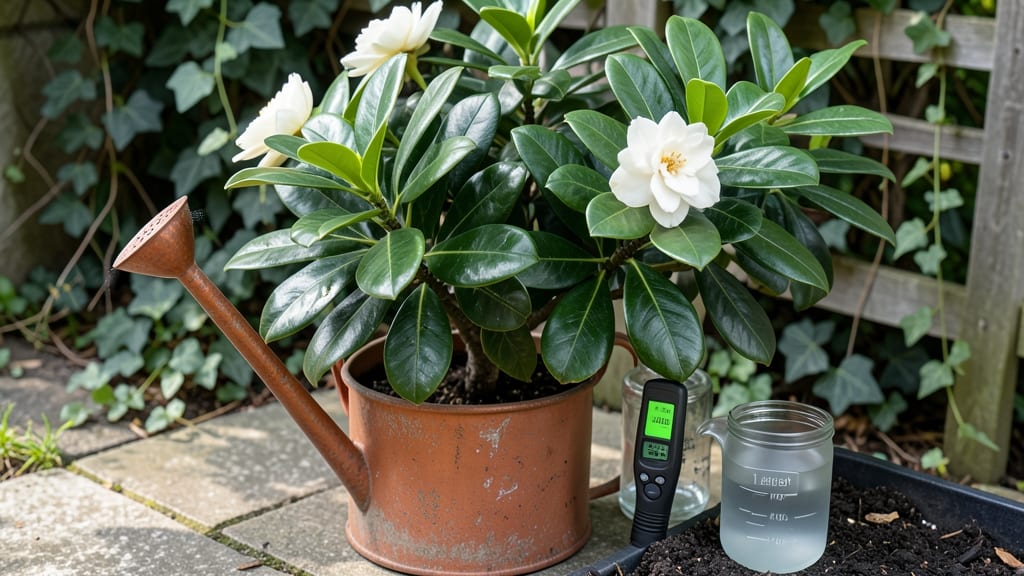
How much water does a gardenia plant need to thrive? The answer keeps its blooms fragrant and abundant, but too much or too little can ruin everything.
Struggling to keep your gardenia 🌸 thriving? The secret lies in mastering its watering needs—too much or too little can spell disaster for these fragrant favorites.
I’ve seen gardenias wilt from thirst one week and rot from soggy soil the next, and the difference always comes down to how deep and how often you water.
These tropical beauties crave consistent moisture, but their roots hate sitting in wet soil. That’s why deep watering—soaking the root zone until water runs out the drainage holes—is the game-changer.
In summer, you might need to water every 2-3 days, while winter slows things down to once every two weeks.
Below, I’ll break down the exact schedule by season, how to spot over- or under-watering, and pro tips to keep your gardenia happy without drowning its roots. Let’s get those blooms back in full force!


Ideal watering schedule for gardenia plants by season
Mastering your gardenia plant's watering needs is the key to those lush, fragrant blooms you dream of. These tropical beauties thrive on consistent moisture but despise soggy roots—finding that perfect balance is everything.
I’ve learned through years of trial (and a few sad, mushy gardenias) that seasonal adjustments make all the difference.
Gardenia plants need 1 inch of water per week on average, but this changes dramatically with the seasons. In summer heat, you’ll water daily, while winter dormancy means cutting back to just twice a month. The goal? Keep the top 2-3 inches of soil evenly moist without waterlogging.
Soil type plays a huge role too—sandy soil dries faster, while clay holds moisture longer. If your gardenia’s leaves start yellowing or dropping, it’s often a cry for help from either overwatering or underwatering. Let’s break down exactly how to adjust your watering schedule month by month to keep your plant happy year-round.
| Season | Watering Frequency | Depth per Watering | Best Time to Water | Soil Moisture Goal |
|---|---|---|---|---|
| Spring (March-May) | Every 2-3 days | 6-8 inches deep | Morning (6-9 AM) | Evenly moist, not soggy |
| Summer (June-August) | Daily or every other day | 8-10 inches deep | Early morning (before 10 AM) | Consistently moist |
| Fall (September-November) | Every 3-4 days | 4-6 inches deep | Morning or late afternoon | Slightly drier top layer |
| Winter (December-February) | Bi-weekly (every 10-14 days) | 3-4 inches deep | Mid-morning (avoid frost) | Drier, just prevent wilting |
Let’s start with spring, when your gardenia wakes up from dormancy and begins its active growth phase. This is when you’ll see the most new leaves and buds forming. Water every 2-3 days, giving the plant a deep soak each time—think 6-8 inches down into the soil.
Morning watering is best because it allows foliage to dry out during the day, reducing fungal risks.
As summer heat kicks in, increase your watering to daily or every other day, depending on your climate. The key here is deep watering—aim for 8-10 inches down to encourage strong root growth.
If you notice the soil drying out faster than usual, it’s a sign to water more frequently. Always water in the early morning to prevent evening moisture from lingering on leaves.
When fall arrives, your gardenia begins its transition to dormancy. Reduce watering to every 3-4 days and let the top layer of soil dry out slightly between waterings. This gradual reduction helps the plant prepare for winter without shocking its system.
Mulching around the base with organic matter like pine straw can help retain moisture while protecting roots.
Winter is all about minimal watering. Cut back to bi-weekly waterings (every 10-14 days) and only water enough to keep the soil from becoming completely dry. Overwatering in winter can lead to root rot, especially in cooler climates.
If you’re in a region with freezing temperatures, water sparingly and avoid wet foliage that could freeze and damage the plant.
Pro tip: Always check the soil before watering. Stick your finger 2-3 inches deep—if it feels dry, it’s time to water. If it’s still moist, wait another day. This simple check saves countless gardenias from waterlogging or drought stress.
Consistency is key, and adjusting with the seasons ensures your gardenia stays healthy and blooms beautifully year after year.
Remember, gardenias are tropical plants at heart—they love humidity! If your air is dry (like indoors or in arid climates), consider using a humidifier or placing a tray of water near the plant. This mimics their natural environment and helps them thrive even when watering adjustments are made.
Signs of overwatering vs underwatering in gardenias
Gardenia plants thrive on consistency, but their delicate roots can't handle extremes. Overwatering and underwatering both trigger distress signals—learning to read them saves your plant from decline. The key lies in observing leaf texture, stem firmness, and soil moisture patterns before symptoms become severe.
Start by checking the top 2 inches of soil with your finger. For gardenias, it should feel moist but not soggy. If it's dry, your plant craves hydration.
If it's damp, you're likely overdoing it. These subtle cues prevent root rot while ensuring your plant gets enough to bloom beautifully.
💧 How Much Water Does a Gardenia Plant Need?
- 🌸 Vibrant blooms
- 🌿 Healthy leaf growth
- 🌱 Strong root development
- 🛡️ Pest resistance
- 🍃 Yellowing leaves
- 💀 Root rot risk
- 🌫️ Stunted growth
- 🚫 Fewer flowers
- 🟡 Yellow leaves
- 🌬️ Mushy stems
- 💦 Waterlogged soil
- 🍄 Fungal spots
- 🟤 Brown leaf edges
- 🌵 Crispy leaves
- 🌡️ Dry, hard soil
- 🌿 Drooping foliage
When your gardenia shows yellow leaves that feel soft to the touch, it's screaming for help—likely overwatering. Check for mushy stems or white fungal growth at the base.
Cut back immediately: reduce watering by half and repot in well-draining soil mixed with perlite. Let the top 3 inches dry completely between waterings.
On the flip side, brown leaf edges and crispy foliage signal underwatering. If the soil pulls away from the pot edges, it's bone-dry. Water deeply until it drains from the bottom, then mulch with 2 inches of organic mulch to retain moisture.
For container gardenias, soak the pot for 10-15 minutes to ensure roots get hydration.
Don't ignore wilting patterns—they're your plant's SOS. Morning wilting that recovers by afternoon? Likely underwatering. Wilting that persists all day with yellow stems? Overwatering has likely caused root damage. In both cases, adjust your routine and monitor soil moisture with a moisture meter for precision.
For a quick fix, I recommend the "finger test": stick your index finger 2 inches deep into the soil. If it feels dry, water thoroughly. If it's damp, wait another day.
Gardenias reward consistent care with glossy leaves and fragrant blooms—master this balance, and your plant will thrive for years.