
Blooming
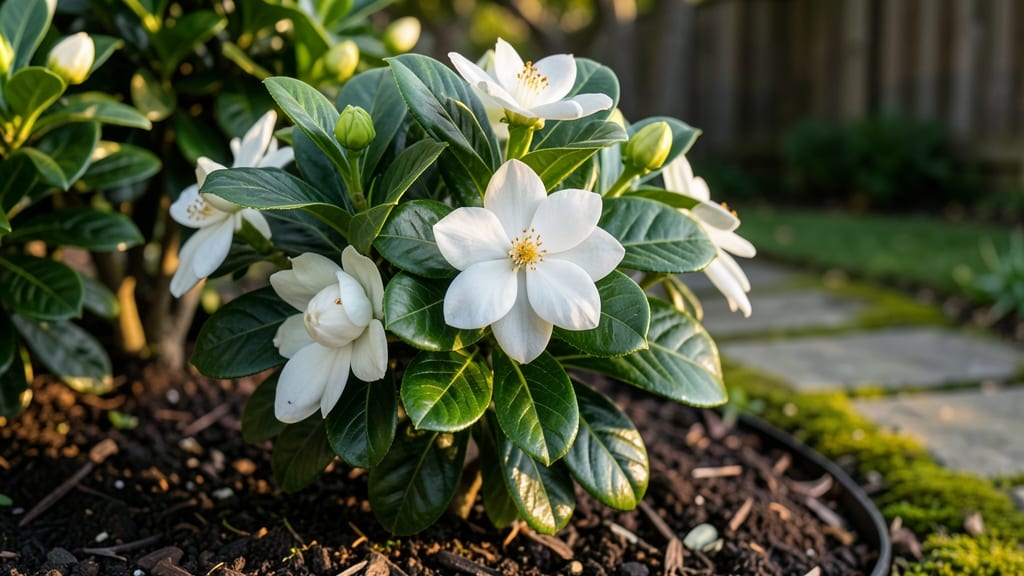
Gardenias bloom once annually in most temperate climates, typically producing their signature fragrant white flowers from late spring through early summer, though some varieties may experience secondary blooming with proper care and strategic pruning.
Most gardenias follow nature's seasonal cues, with their primary bloom triggered by increasing daylight and warmer temperatures. 🌸 In cooler regions, they enter dormancy after their main flush, while tropical varieties often reward consistent care with year-round blooming.
The key to encouraging more flowers lies in mimicking their natural environment—think bright, indirect light and slightly acidic soil. I've found that deadheading spent blooms and pruning lightly after the main season can sometimes coax a second, smaller bloom cycle in the fall.
What many gardeners don't realize is that over-fertilizing can actually reduce blooming. Too much nitrogen promotes leafy growth at the expense of flowers. Instead, focus on a balanced fertilizer with more phosphorus during the growing season.
And remember: gardenias are sensitive plants—they'll often send you a message when they're unhappy by dropping buds or leaves. Pay attention to those cues!
💡 In This Article
- Gardenia Bloom Season: Climate and Species Factors
- Pruning and Care Tips to Encourage More Gardenia Blooms
Gardenia bloom season: climate and species factors
Gardenias bloom primarily in response to two key environmental triggers: increasing daylight hours and rising temperatures. These plants are photoperiod-sensitive, meaning their flowering is regulated by the length of daylight they receive.
In temperate climates, gardenias typically sense the longer days of late spring as a signal to initiate blooming, with peak flowering occurring when daytime temperatures consistently reach between 70-85°F. This temperature range is critical because cooler nights (55-65°F) help set flower buds during the preceding weeks.
The distinction between tropical and temperate gardenia varieties creates significant differences in bloom patterns. Tropical varieties like Gardenia jasminoides 'Radicans' often bloom year-round in warm climates (USDA zones 9-11) where temperatures rarely dip below 50°F.
In contrast, temperate varieties such as Gardenia augusta enter dormancy after their main spring bloom, sometimes dropping buds if subjected to sudden temperature swings or frost.
The USDA hardiness zones 8-10 represent the sweet spot for most gardenias, where they can experience their primary bloom season while still benefiting from occasional cooler periods that help reset their growth cycle.
Day length plays a more subtle but equally important role. Gardenias are short-day plants, meaning they flower best when nights are still relatively long (around 12-14 hours of darkness).
This explains why you'll rarely see gardenias blooming in full summer's long daylight—once days exceed 14.5 hours of light, they often enter a rest period. The exception occurs in tropical regions where consistent day lengths and warm temperatures create more uniform blooming patterns throughout the year.
Climate also determines whether gardenias will produce a secondary bloom. In regions with distinct seasons, gardenias may produce a smaller fall flush if given proper care after their main spring bloom. This often requires protecting them from early autumn chills and maintaining consistent moisture levels.
The Clemson University Horticulture Department notes that gardenias in zone 9 can sometimes produce a second bloom cycle in late summer if given 6-8 hours of morning sun and afternoon shade—a balance that mimics their natural tropical understory habitat.
One fascinating mechanism is how gardenias "bud set" occurs. When temperatures drop below 60°F for more than 3-5 consecutive days, gardenias often abort their flower buds in preparation for dormancy. This is why gardeners in cooler climates must provide winter protection, even if the plant is evergreen.
The buds form in late winter/early spring, and any temperature stress during this critical 4-6 week period can dramatically reduce bloom quantity. This explains why some gardeners report their plants producing fewer blooms after a harsh winter.
For those living in USDA zones 7 and below, gardenias are typically grown as container plants that can be moved indoors during winter. This controlled environment helps maintain the temperature stability needed for successful bud formation.
The key insight is that gardenias are highly responsive to their environment—small adjustments in light, temperature, and care can significantly influence bloom frequency and abundance. 🌿