How To
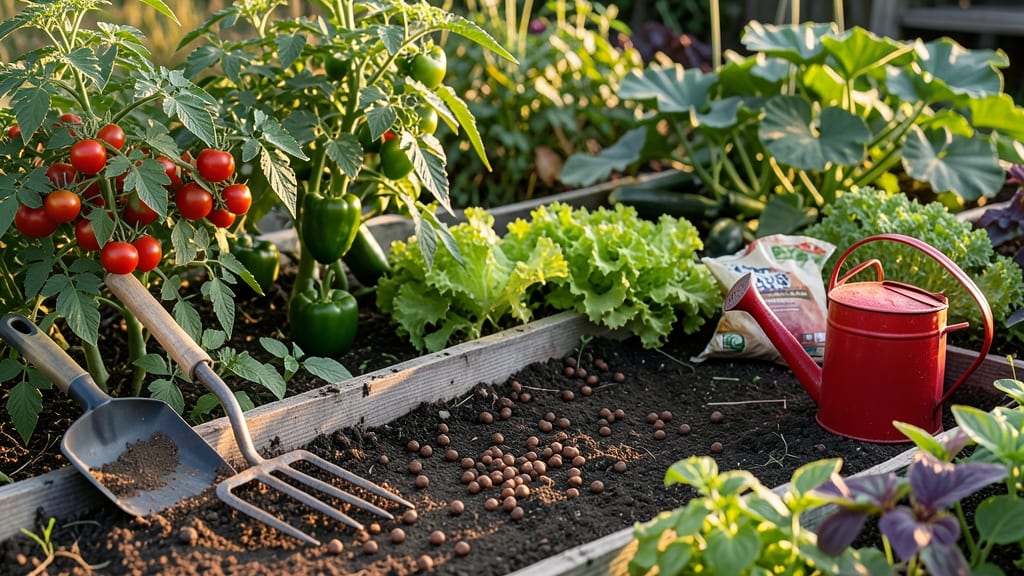
To fertilize a vegetable garden properly, you’ll need a schedule that matches your plants’ growth stages—not just a one-size-fits-all rule.
Struggling to keep your 🥬 vegetable garden thriving? Over- or under-fertilizing can ruin your harvest—so timing is everything. Discover the exact fertilization schedule your plants actually need to produce bigger, healthier yields without wasting a single drop of nutrient.
Most gardeners guess, but the truth is that leafy greens, fruiting plants, and root crops all have different needs. A biweekly feeding might work for tomatoes, while carrots could burn from the same dose.
I’ll break down the science-backed intervals for each type, plus how to adjust for organic vs. synthetic fertilizers.
By the end, you’ll know exactly when to feed, how much to use, and when to stop—so you can enjoy a bountiful harvest without the guesswork.

Fertilization frequency by vegetable type: exact month-by-month schedule
Getting your vegetable garden's fertilization schedule right can mean the difference between a bountiful harvest and wasted effort. Unlike one-size-fits-all advice, different plants need unique feeding timelines based on their growth speed and nutrient demands.
Fast growers like radishes and lettuce thrive on quick, light feeds, while heavy feeders like tomatoes and squash need consistent nourishment over months. Let’s break down the exact schedule for each category so you can fertilize with precision.
Most gardeners make two critical mistakes: either over-fertilizing early in the season (which burns tender roots) or under-feeding during peak growth (leading to weak plants). The key is to match your fertilization timing with each plant’s growth stages.
For example, leafy greens need nitrogen-heavy feeds early, while fruiting plants require phosphorus and potassium as they mature. Below, I’ll outline the month-by-month plan tailored to your garden’s needs.
For leafy greens, start fertilizing as soon as seedlings emerge with a nitrogen-rich feed to encourage lush foliage. Apply a balanced fertilizer every 2-3 weeks until harvest, but taper off in late summer to avoid bolting (premature flowering).
I’ve found that compost tea works wonders for greens like spinach, providing gentle, consistent nutrition without overloading the soil.
Root crops like carrots and radishes are finicky about fertilization—they need just enough to establish roots but too much can cause forked or stunted growth. A light application of balanced fertilizer at planting, followed by a second dose 4-6 weeks later, is all they need.
Avoid heavy feeds once the roots start forming, or you’ll end up with woody, inedible roots.
When it comes to fruiting plants, timing is critical. Begin with a phosphorus-heavy fertilizer when flowers appear to encourage fruit set, then switch to a potassium-rich feed as fruits develop.
Tomatoes, for example, need feeding every 3-4 weeks from May through August. I’ve had the best luck with fish emulsion for tomatoes—it’s packed with nutrients and easy to apply.
Herbs like basil and parsley don’t demand heavy feeding, but they do appreciate a balanced fertilizer every 4 weeks. The key here is to avoid overdoing it, as herbs can become bitter or leggy if over-fertilized. A light hand with organic matter like worm castings works best for most herbs.
Slow growers such as
5 Signs you’re fertilizing wrong (and how to fix it)
Even with the best intentions, over-fertilizing or under-fertilizing can turn your thriving vegetable garden into a sad, struggling patch. I’ve seen brown leaf tips on tomatoes and stunted growth in peppers—both clear signs of fertilization gone wrong.
The key is understanding your plants’ needs and adjusting mid-season before damage sets in.
Most gardeners make the mistake of fertilizing too frequently or using too much fertilizer at once. Synthetic fertilizers, in particular, can burn roots if applied incorrectly. Even organic options like compost or manure need balance—too much can disrupt soil pH and nutrient uptake.
Let’s diagnose the problem so you can fix it fast.
⚠️ Fertilizer Overload Alert!
For a vegetable garden, fertilize every 4-6 weeks during the growing season (spring to early fall). Fast growers like lettuce or radishes need light feeds, while heavy feeders (tomatoes, peppers) require more frequent but balanced applications. Stop fertilizing 4-6 weeks before first frost—plants need time to harden off naturally.
First, check for burnt leaf edges or yellowing between veins—these are classic signs of salt buildup from over-fertilizing. If your plants look wilting despite moist soil, the roots may be damaged.
Flush the soil with water immediately and hold off on fertilizing for at least 2 weeks. For under-fertilized plants, look for pale leaves, weak stems, or small, sparse fruits.
Leafy greens like spinach or kale often show yellowing leaves when nitrogen is lacking, while fruiting plants (tomatoes, peppers) may drop blossoms or produce small, misshapen fruits. Herbs like basil or cilantro can become leggy and sparse if they’re not getting enough nutrients.
The fix? Apply a balanced fertilizer (like 10-10-10) and monitor closely for improvement in 7-10 days.
Here’s my quick diagnostic checklist to adjust your schedule: ☑️ Brown leaf tips? → Flush soil, reduce fertilizer by half. ☑️ Pale or yellow leaves? → Apply a nitrogen boost (like fish emulsion). ☑️ Stunted growth? → Check soil pH (aim for 6.0-7.0) and feed with phosphorus. ☑️ Blossoms dropping? → Increase potassium (try banana peel tea). ☑️ Weak stems? → Add compost or a slow-release organic fertilizer.
Remember, soil testing is your best friend—it tells you exactly what nutrients are missing or in excess. If you’re unsure, start with a light feed and gradually increase based on plant response. Your garden will thank you with bigger yields and healthier plants all season long! 🌱