
How To
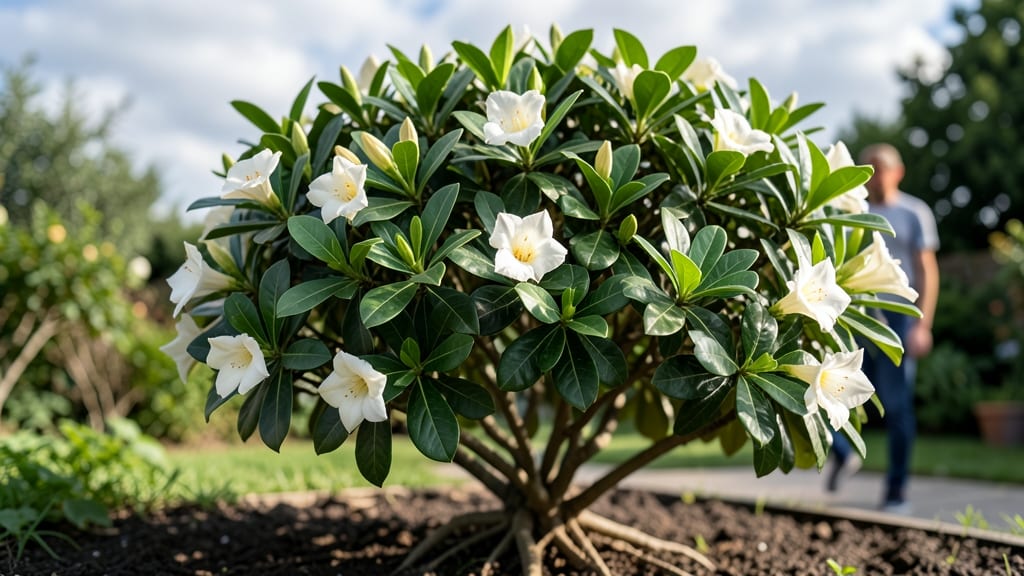
A gardenia tree how tall does a gardenia tree grow at maturity typically ranges between 6 and 15 feet, but its height depends on the variety, care, and your pruning strategy—so you can absolutely shape it to fit your space.
If you’ve ever dreamed of a fragrant gardenia tree but worry about it outgrowing your space, you’re not alone. Many gardeners hesitate to plant one because they assume it’ll become an unruly giant 🌸.
The truth? With the right approach, you can keep it compact, healthy, and blooming year after year.
Some gardenia varieties stay under 6 feet, making them perfect for containers or small yards, while others can reach tree-like heights if left unpruned. The key lies in understanding your plant’s growth habits and when to trim for the best results.
In this guide, I’ll break down the natural height ranges, share pruning secrets to control growth, and recommend the best compact varieties for your garden. You’ll learn exactly how to keep your gardenia tree at your desired height without sacrificing those intoxicating blooms.


Natural height range of gardenia trees: what to expect
If you’re considering adding a gardenia tree to your landscape, understanding its natural height range is essential for planning. These fragrant beauties can vary dramatically in size, from compact shrubs to towering specimens, depending on the variety and growing conditions.
Most gardenia trees reach their mature height between 6 to 15 feet, but some dwarf varieties stay under 3 feet, making them perfect for containers or small gardens.
The growth rate of a gardenia tree also depends on its environment. In ideal conditions—like acidic, well-draining soil and partial shade—they can grow 1 to 2 feet per year.
However, in less-than-optimal conditions, growth may slow significantly. For example, gardenias planted in containers typically stay smaller than those in the ground, as root restriction naturally limits their height.
Here’s a quick breakdown of what to expect based on the gardenia variety and growing setup:
| Variety | Mature Height (ft) | Growth Rate (ft/year) | Best For |
|---|---|---|---|
| Dwarf Gardenia (e.g., 'Radicans') | 3-6 ft | 0.5-1 ft | Containers, small gardens, patios |
| Semi-Dwarf Gardenia (e.g., 'Kleim’s Hardy') | 6-10 ft | 1-1.5 ft | Backyard borders, medium spaces |
| Standard Gardenia (e.g., 'Veitchii') | 10-15 ft | 1.5-2 ft | Larger landscapes, privacy screens |
| Container-Grown Gardenia | 3-8 ft (varies by pot size) | 0.5-1 ft | Balconies, decks, indoor-outdoor spaces |
The climate zone where you live also plays a role in how tall your gardenia grows. In warmer climates like USDA Zones 8-11, gardenias thrive and can reach their full height potential.
However, in cooler zones (like Zone 7 or below), growth may be slower, and the plant might stay smaller unless you provide winter protection.
For example, a gardenia in Zone 8 might grow 2 feet per year, while one in Zone 6 could grow only 1 foot per year.
Another critical factor is soil quality. Gardenias prefer acidic soil (pH 5.0-6.5) with excellent drainage. If your soil is alkaline or compacted, the plant will struggle to absorb nutrients, leading to slower growth and a smaller stature.
Amending the soil with peat moss or sulfur can help create the ideal environment for a taller, healthier gardenia. Even in perfect soil, overwatering can stunt growth by causing root rot, so always ensure excess water drains away.
If you’re growing your gardenia in a container, its height will naturally be limited by the pot size. A 5-gallon container might keep a gardenia under 3 feet tall, while a 15-gallon container could support a 6-foot specimen.
To encourage upward growth, choose a pot that’s only slightly larger than the root ball. Over-potting can lead to excessive foliage growth at the expense of height, which is often undesirable for gardeners aiming for a tree-like shape.
Light exposure also influences height. Gardenias need 4-6 hours of morning sun but can scorch in hot afternoon rays. Too much shade slows growth, while too much direct sun can stress the plant, leading to stunted development.
If you notice your gardenia growing leggy or sparse, it might be stretching for more light. In such cases, prune to encourage bushier growth or move the plant to a slightly sunnier spot—just avoid harsh afternoon sun.
Finally, don’t underestimate the impact of pruning and training. Even if a gardenia variety is naturally tall, strategic pruning can shape it into a more manageable size. For instance, pinching back new growth in spring encourages a fuller, more compact shape.
If you want to keep your gardenia under 6 feet, prune the topmost branches to redirect energy toward lateral growth. This technique is especially useful for container gardenias, where space is limited.
Understanding these factors will help you set realistic expectations for your gardenia’s height. Whether you’re aiming for a dwarf variety in a pot or a tall specimen in your yard, the key to success lies in providing the right conditions and a little strategic care.
With patience and the right approach, your gardenia will thrive—and fill your space with its intoxicating fragrance.
Pruning techniques to control gardenia tree height
Pruning your gardenia tree isn’t just about keeping it small—it’s about encouraging healthy growth and abundant blooms. When done correctly, strategic pruning can transform a towering shrub into a compact, manageable tree that fits your space perfectly.
The key lies in understanding when and how to prune, along with the right tools and techniques to avoid common pitfalls that can harm your plant.
Most gardeners make the mistake of pruning at the wrong time or using dull tools, which can stress the plant and even reduce flowering. Timing is everything—pruning too late in the season or cutting back too aggressively can stunt growth or leave your gardenia vulnerable to pests.
Let’s dive into the step-by-step process to keep your gardenia tree at your desired height while ensuring it stays lush and fragrant.
⚠️ Warning: Over-Pruning Risks
Pruning too much or at the wrong time can stunt growth or reduce blooms. Gardenia trees naturally grow 6-15 feet tall—cutting back more than 1/3 of the foliage in one session stresses the plant. Avoid pruning in late summer or fall, as new growth won’t harden off before winter, leaving it vulnerable to frost damage.
Start by pruning your gardenia in early spring, just as new growth begins to emerge. This timing allows the tree to recover and bloom vigorously during the growing season. Use clean, sharp pruners or bypass shears to make precise cuts just above a leaf node or bud.
Avoid tearing the bark, as this can introduce diseases like bacterial blight.
To shape your gardenia for compact growth, focus on removing overcrowded branches and crossing limbs first. Next, trim back any long, leggy growth to encourage a fuller, bushier form. For a tree-like shape, select 3-5 main branches to serve as your scaffold and prune back any competing stems.
Remember, gardenias bloom on new wood, so avoid heavy pruning in late winter.
One of the biggest mistakes gardeners make is pruning in the wrong season. For example, cutting back gardenias in late fall removes potential next year’s blooms, as buds form on old wood. Instead, wait until spring when the plant is actively growing.
Another error is using dull tools, which crush stems and invite disease. Always disinfect your pruners with rubbing alcohol between cuts to prevent contamination.
After pruning, give your gardenia a light fertilizer application to support new growth. Use a balanced, acid-loving fertilizer (like a 10-10-10 mix) and water deeply to help the plant recover. Mulch around the base with organic material to retain moisture and protect roots.
With consistent care, your gardenia will reward you with fragrant blooms and a well-shaped form all season long.