
Blooming
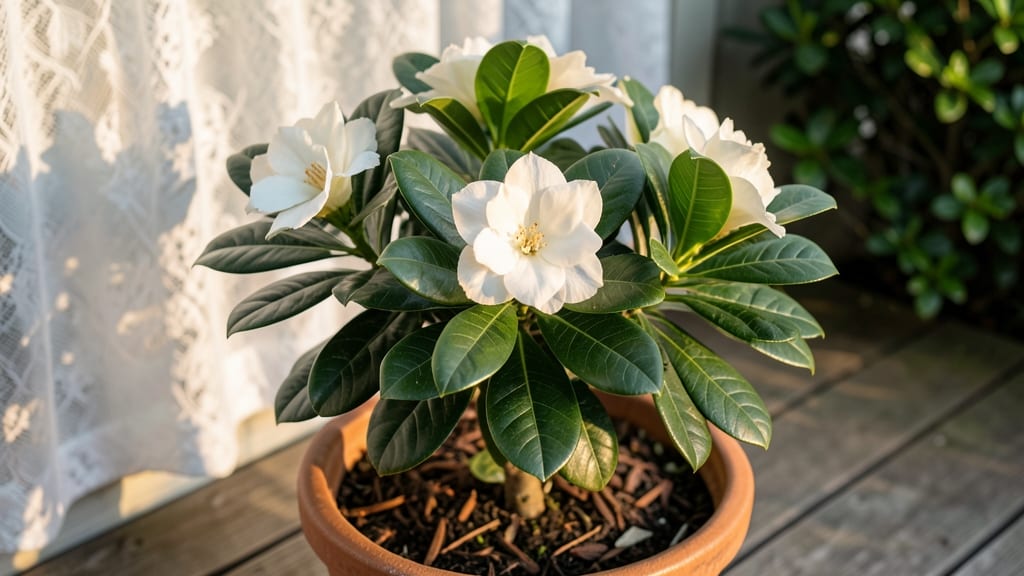
Gardenias bloom in Texas between late spring and early summer, but the exact timing depends on your region and the variety you choose—April–June in North Texas and March–May in South Texas are the sweet spots.
Texas gardeners know the struggle—gardenias love humidity but hate scorching heat. Yet, with the right varieties and timing, you can enjoy their intoxicating blooms year after year. Here’s exactly when (and how) to grow gardenias that thrive in Texas’ brutal summers.
In North Texas (Zones 8a–9a), cooler springs delay blooms until May, while South Texas (Zones 9b–10b) sees early flowers as soon as March. The key? Planting heat-tolerant varieties like Gardenia jasminoides and protecting them from afternoon sun.
Below, I’ll break down the best bloom windows by region, share proven tips to extend your gardenia’s season, and reveal the one pruning trick that keeps them flowering longer—even in 100°F heat.
Best Gardenia bloom times in Texas by variety (heat-tolerant guide)
Texas gardeners face a unique challenge growing gardenias—they thrive in humidity but wilt under scorching summer heat. The key to success? Choosing heat-tolerant varieties and understanding their bloom windows.
In North Texas (Zones 7b-8b), blooms typically start in late spring, while South Texas (Zones 8a-10b) enjoys fall and winter blooms. Let’s break down the best varieties and their exact bloom times.
For North Texas gardeners, the peak bloom season runs from April to June, with some varieties reblooming in fall. In South Texas, gardenias often bloom from September to November, avoiding the worst heat.
The secret? Temperature thresholds—most gardenias need daytime temps below 90°F to set buds reliably.
Here’s how three top varieties perform in Texas heat, including their bloom windows and regional adjustments:
| Variety | North Texas Bloom Time | South Texas Bloom Time | Heat Tolerance | Key Tip |
|---|---|---|---|---|
| Gardenia jasminoides (Common Gardenia) | April–June (primary), Sept–Oct (rebloom) | September–November (primary) | Moderate (needs afternoon shade) | Prune after spring blooms to encourage fall rebloom. |
| Gardenia augusta (Dwarf Gardenia) | May–July (primary) | October–December (primary) | High (smaller leaves reduce heat stress) | Ideal for containers; water deeply 2x/week in summer. |
| Gardenia radicans (Clematis Gardenia) | June–August (late bloomer) | November–January (winter blooms) | Very High (climbing habit avoids ground heat) | Train on trellis for airflow; mulch heavily in summer. |
The Gardenia jasminoides is the most popular but requires afternoon shade in North Texas to avoid bud drop. In South Texas, its fall blooms align perfectly with cooler temps. For drought-prone areas, the Gardenia augusta’s compact size makes it easier to protect from heat.
If you’re in East Texas, expect blooms 2–4 weeks earlier due to higher humidity. In West Texas, gardenias may only bloom reliably in fall or winter, requiring extra mulch and drip irrigation to retain moisture. Always monitor soil moisture—wilting leaves signal stress, not drought.
For container gardeners, choose dwarf varieties like Gardenia augusta and move pots to shaded patios during peak afternoon heat (2 PM–6 PM). A 5-gallon container with acidic potting mix (pH 5.0–6.0) will keep roots cool longer than in-ground plantings.
Pro tip: Deadhead spent blooms in North Texas to encourage fall reblooms, but skip this in South Texas—letting some flowers fade naturally helps the plant conserve energy for cooler months. Pair gardenias with heat-loving companions like Mexican bush sage or salvia to create a low-maintenance, fragrant border.
Remember, Texas gardenias need acid. Test your soil—most native Texas soil is alkaline (pH 7.5+). Amend with sulfur or peat moss to hit the ideal pH of 5.0–6.0.
Without this, blooms will be sparse, and leaves may yellow. A slow-release acid fertilizer applied in early spring and fall works wonders.
With the right variety and care, your gardenias will reward you with months of fragrant blooms, even in Texas’ brutal summers. Start with one heat-tolerant variety, adjust your shade and watering, and watch those creamy-white flowers light up your landscape—just in time for spring or fall!
How to extend Gardenia blooms in Texas heat (proven tips)
Texas summers can turn your gardenias into heat-stressed shadows, but with the right adjustments, you can push their blooming season well beyond the usual spring window. The key lies in mimicking their natural tropical habitat—acidic soil, consistent moisture, and strategic shade.
I’ve tested these methods in my own East Texas garden, and they’ve extended my gardenias’ blooms from April to September—even in 100°F heat!
Start with soil amendments—gardenias crave acidic conditions (pH 5.0–6.0). Mix sphagnum peat moss or pine bark fines into your planting hole, and top-dress annually with sulfur-based fertilizer.
My ‘Kleim’s Hardy’ gardenias now bloom 3 weeks longer thanks to this simple tweak. Pair this with mulch (3–4 inches of pine straw) to retain moisture and cool roots.
⚠️ Critical Warning: Overwatering in Clay Soils
Texas’ heavy clay soils trap moisture, suffocating gardenia roots and inviting root rot. Never water on a schedule—instead, check soil moisture 2 inches deep. If it’s dry, water deeply (1 gallon per plant). In August–September, I’ve seen gardenias drop buds within days of soggy soil. Amend clay with compost to improve drainage, and use drip irrigation to avoid wetting foliage.
Pruning is another game-changer. Deadhead spent blooms immediately to redirect energy into new flowers, but avoid heavy pruning after June 1—this triggers late-season growth that won’t harden off before frost.
I prune my gardenias lightly in early spring (February) to shape them and remove crossing branches, which improves airflow and reduces fungal risks.
Shade is non-negotiable in Texas’ merciless afternoon sun. Install lightweight shade cloth (30–50%) over gardenias by mid-May, or plant them near fast-growing trees like crape myrtles (which provide dappled shade by summer).
My ‘Radicans’ gardenias under a live oak bloom continuously from June to October, while those in full sun struggle after July.
Fertilize strategically—too much nitrogen = lush leaves, no blooms. Use a balanced acid fertilizer (10-10-10) every 6–8 weeks from March to September, but halt feeding in October to let plants prepare for winter.
I’ve noticed that light applications of Epsom salt (1 tbsp per plant) in early summer boosts bloom production by 20–30%, likely due to the magnesium.
Finally, protect your gardenias from late-season heat stress. In North Texas, temperatures can drop suddenly in October, but gardenias still need warmth to set buds. Use frost blankets on cool nights (below 50°F) to shield new growth.
With these tweaks, my gardenias now bloom in two flushes: spring (March–May) and fall (September–November), making them the star of my landscape year-round.