
How To
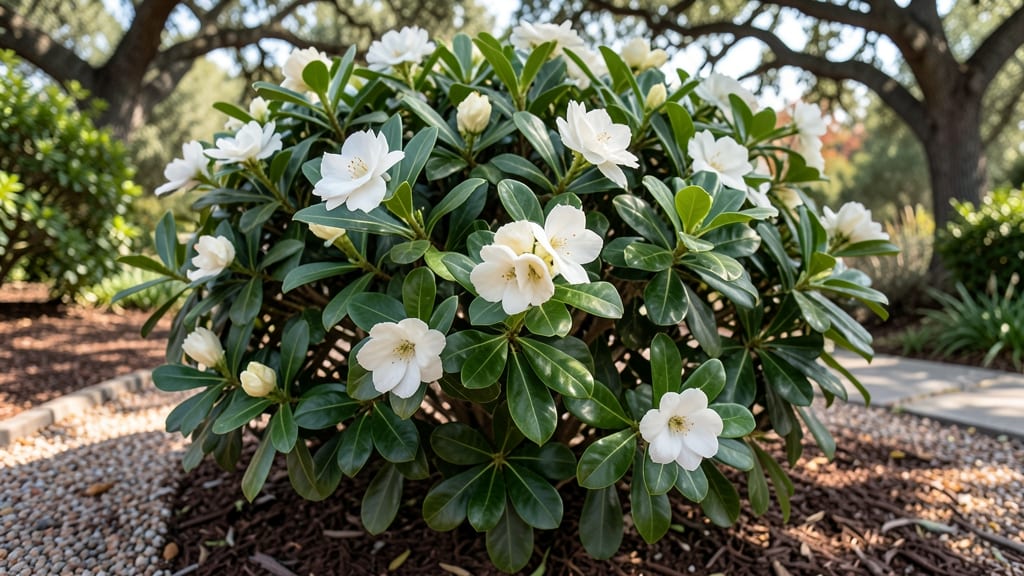
How tall gardenia plants grow can vary dramatically, from dwarf varieties under 3 feet to towering shrubs reaching 10 feet or more—and knowing the right size for your space is the key to happy blooms.
If you’re dreaming of fragrant, creamy-white blooms but wondering whether gardenias will fit your garden’s height requirements, you’re in the right place. These tropical favorites vary dramatically in size—from compact shrubs to towering specimens—so knowing their mature heights can help you plan the perfect spot.
The standard Gardenia jasminoides 🌸, for example, typically matures between 6 and 10 feet, while dwarf varieties like Radicans stay under 3 feet.
Your climate, pruning habits, and even soil quality play a role in how tall they’ll grow, which is why choosing the right variety for your space matters.
In this guide, I’ll break down the height ranges by popular gardenia types, share pruning tips to control growth, and help you pick the perfect variety for your garden—whether you want a fragrant hedge or a showstopping centerpiece.


Gardenia mature height by popular variety: what to expect
When planning your garden layout, knowing how tall gardenias grow is key to creating a harmonious space. These tropical beauties come in stunning varieties, each with distinct growth patterns.
Some stay compact enough for containers, while others reach small tree proportions. Understanding these differences ensures you choose the perfect gardenia variety for your space and style.
Most gardenias fall into three broad categories: dwarf varieties (under 3 feet), standard shrubs (3–6 feet), and tall varieties (6–15 feet). The G. jasminoides, the most popular type, typically grows between 2–6 feet tall, making it versatile for borders or containers.
Meanwhile, G. augusta can reach 6–10 feet, perfect for hedges or privacy screens.
| Variety | Mature Height | Growth Habit | Best For |
|---|---|---|---|
| G. jasminoides 'Kleim's Hardy' | 2–4 ft | Compact, rounded | Containers, small gardens |
| G. jasminoides 'Radicans' | 1–2 ft | Trailing, bushy | Hanging baskets, window boxes |
| G. jasminoides 'Veitchii' | 3–5 ft | Upright, bushy | Foundation plantings, borders |
| G. augusta 'Fortuniana' | 6–10 ft | Tall, pyramidal | Privacy screens, large gardens |
| G. tabellaria | 10–15 ft | Tree-like, spreading | Specimen plant, tropical landscapes |
The dwarf gardenias, like G. jasminoides 'Radicans', are perfect for small spaces or container gardening. These varieties typically stay under 2 feet tall, making them ideal for patios, balconies, or window boxes. Their trailing growth habit also adds a cascading effect, perfect for adding texture to vertical spaces.
On the other hand, standard gardenias like G. jasminoides 'Veitchii' grow to 3–5 feet, making them versatile for borders, foundation plantings, or mixed shrub beds. Their upright growth habit ensures they don’t sprawl, while their abundant blooms add year-round interest.
For larger properties, consider G. augusta 'Fortuniana', which can reach 6–10 feet and thrives as a privacy screen or focal point.
If you’re working with a large landscape, the tallest gardenias, like G. tabellaria, can grow up to 15 feet tall. These varieties are perfect for tropical or subtropical gardens, where their broad, glossy leaves and fragrant blooms create a stunning backdrop.
However, their size means they require more space and regular pruning to maintain shape.
When selecting a gardenia variety, also consider its growth rate. Dwarf varieties may take 2–3 years to reach maturity, while taller types can grow 1–2 feet per year under ideal conditions.
Providing acidic soil (pH 5.0–6.5), partial shade, and consistent moisture will encourage healthy growth and maximize bloom production.
For container gardening, choose dwarf or semi-dwarf varieties to avoid overcrowding. Ensure your pot has adequate drainage and is at least 12–18 inches in diameter to accommodate root growth. Larger containers may require staking to support the plant’s weight, especially as it matures and blooms.
Understanding gardenia height expectations helps you plan not just for aesthetics but also for long-term care. Taller varieties may need structural support or regular pruning to prevent overgrowth, while dwarf types benefit from light pruning to encourage bushiness.
With the right variety and care, your gardenias will thrive and fill your space with their intoxicating fragrance.
Factors that influence gardenia height growth (and how to control it)
Understanding how tall gardenias grow depends on several key factors, including pruning techniques, sunlight exposure, and soil conditions. These tropical shrubs thrive in warm climates but can adapt their growth habits based on care.
For example, gardenias in full sun may grow taller and bushier, while those in partial shade often stay more compact. Your local climate zone also plays a role—warmer regions like USDA zones 8-11 support faster, taller growth compared to cooler zones.
Another critical factor is soil quality. Gardenias demand acidic, well-draining soil (pH 5.0-6.5) to reach their full potential. Poor soil can stunt growth or lead to leggy, weak stems.
Even with ideal conditions, gardenias can grow 3-6 feet tall for standard varieties, but some dwarf types stay under 2 feet. The right care can help you steer growth toward your garden’s needs, whether you want a tall hedge or a compact container plant.
⚠️ CAUTION: Over-Pruning Risks ⚠️ Warning: Pruning too aggressively can stress gardenias, leading to stunted growth, fewer blooms, or even dieback. These shrubs bloom on new wood, so heavy pruning in late winter or early spring can remove next season’s flower buds.
Always prune after flowering (late summer/early fall) to encourage healthy regrowth while maintaining your desired height. Avoid cutting back more than 1/3 of the plant’s height in a single session.
To control gardenia height effectively, focus on selective pruning and regular maintenance. Start by removing dead or crossing branches to improve airflow and shape. For height management, trim the topmost growth just above a leaf node to encourage bushier growth.
Use sterilized pruners to prevent disease, and always prune in morning hours to reduce stress on the plant.
Sunlight exposure is another lever for height control. Gardenias in bright, indirect light (like morning sun) grow more slowly and stay compact, while direct afternoon sun can spur rapid vertical growth.
If your gardenia is growing too tall, consider moving it to a shadier spot or using a light shade cloth during peak sun hours. This adjustment can naturally slow height increase while preserving bloom production.
For container gardeners, root-bound conditions can also influence height. Repotting every 2-3 years into a slightly larger container with fresh acidic potting mix encourages balanced growth. Avoid overcrowding roots, which can lead to leggy, spindly growth as the plant stretches for nutrients.
Fertilize lightly with a balanced, acid-loving formula (10-10-10) every 4-6 weeks during the growing season to support steady, controlled growth.
Finally, monitor your gardenia’s growth seasonally. In spring and summer, focus on watering deeply (1-2 times per week) and mulching around the base to retain moisture. In fall and winter, reduce watering and avoid pruning to let the plant rest.
With these adjustments, you can guide your gardenia to the perfect height—whether you’re aiming for a privacy screen, a container centerpiece, or a fragrant border plant. 🌿