How To
To harvest lettuce from your garden at the perfect moment means crisp, flavorful leaves that keep coming back—no bitter disappointment here.
Picture this: you’ve nurtured your 🥬 all season, only to pull a leaf that tastes like cardboard. That’s the cost of harvesting too late or too early. The trick is knowing when your lettuce is ready—firm, vibrant, and full-sized—but still has enough energy to regrow.
In this guide, I’ll walk you through the exact signs to look for (like leaf size and color) and the best cutting techniques to avoid stressing your plants. You’ll also learn how to extend your harvest for weeks by using the cut-and-come-again method, so you’re never without fresh greens.
Ready to go from garden to table with zero waste? Let’s get started—your next salad is waiting.
The perfect time to harvest lettuce for maximum crispness and flavor
Timing your lettuce harvest is everything—picking too early means small, underdeveloped leaves, while waiting too long risks bitterness or bolting (flowering). The ideal moment depends on your lettuce variety, weather conditions, and leaf maturity.
For loose-leaf varieties like Buttercrunch or Oakleaf, you can harvest individual leaves once they reach 4-6 inches in length. Meanwhile, head lettuces like Iceberg or Romaine should be harvested when the entire head feels firm and reaches 6-8 inches in diameter.
Pay close attention to leaf color and texture—vibrant, deep greens or rich reds signal peak flavor, while pale or yellowing leaves mean it’s past its prime. Crispness is another key indicator: gently squeeze a leaf; if it springs back, it’s ready.
Avoid harvesting in hot afternoons or after heavy rain, as this can stress the plant and reduce shelf life. Instead, pick on cool mornings for the freshest, most flavorful leaves.
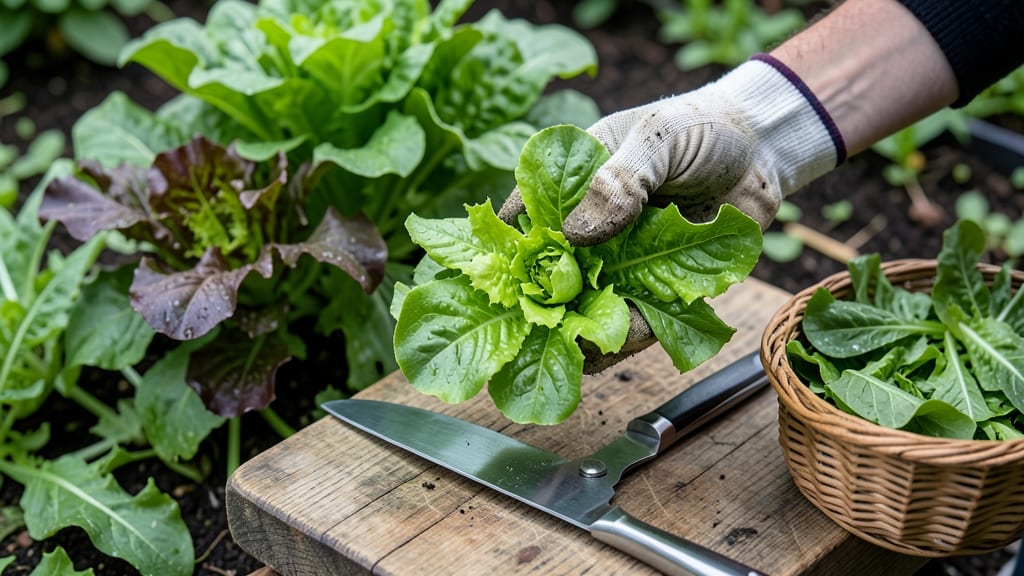
For loose-leaf varieties, you can harvest continuously by plucking outer leaves first—this encourages the plant to produce more leaves for weeks longer. Aim to leave the inner leaves intact to keep the plant growing.
In contrast, head lettuces should be harvested all at once when the head is fully formed. If you wait too long, the leaves may turn bitter or develop a woody core, ruining the texture. Always use a sharp knife or pruning shears to avoid damaging the plant.
Watch for bolting signs—tall stems with flower buds—especially in hot weather or during long days. Bolting makes leaves bitter and tough, so harvest head lettuces before this happens.
If your lettuce bolts prematurely, try shading the plants with floating row covers or planting in partial shade to delay flowering. Cool-season varieties like Winter Density or Arctic King are better suited for fall harvests and can tolerate light frosts without bolting.
Seasonal timing matters too. In spring, harvest 45-60 days after planting, while fall-planted lettuce may take slightly longer due to shorter daylight. If you’re growing in containers, check the soil moisture before harvesting—dry soil can stress the plant and reduce crispness.
Always water deeply the night before to ensure the leaves are hydrated and ready for picking. For container-grown lettuce, harvest when the leaves fill the pot, usually 30-40 days after transplanting.
One common mistake is harvesting too aggressively—removing more than one-third of the plant at once can stunt growth. Instead, focus on selective harvesting: pick a few outer leaves from loose-leaf varieties or trim the base of head lettuces just above the lowest leaves.
This method keeps your plants productive and extends your harvest season by 4-6 weeks. If you notice yellowing leaves at the base, this is normal and can be trimmed away to improve airflow and reduce pests.
Pro tip: Store harvested lettuce properly to maintain crispness. Wrap leaves in a damp paper towel and place them in a perforated plastic bag in the fridge. This mimics the humidity of the garden and keeps leaves fresh for up to 10 days.
For long-term storage, consider fermenting or freezing excess harvests—though nothing beats the freshness of just-picked lettuce in your salad!
Remember, the key to continuous lettuce harvests is balance: pick at the right time, leave enough leaves for regrowth, and monitor for pests or disease like aphids or downy mildew. With these tips, you’ll enjoy crisp, flavorful lettuce straight from your garden for months—no bitter disappointment in sight!
Step-by-step lettuce harvesting techniques to avoid bitterness and bolting
Harvesting lettuce at the right time and with the proper technique is the secret to avoiding bitter flavors and premature bolting. Whether you're growing loose-leaf varieties or head lettuce, the method matters just as much as timing.
I’ve learned through trial and error that even a small mistake—like cutting too close to the base or harvesting at the wrong temperature—can ruin your crop.
The key to success lies in understanding when your lettuce is truly ready and how to cut it without stressing the plant. For loose-leaf varieties, you can harvest individual leaves, while head lettuce should be cut at the base.
Both methods require sharp tools and gentle handling to preserve flavor and encourage regrowth. Let’s dive into the exact steps to harvest lettuce like a pro.
How to Harvest Lettuce from Your Garden
-
Step 1: Choose the Right Time
Harvest loose-leaf lettuce when leaves reach 4-6 inches and are vibrant in color. For head lettuce, wait until the head is firm and fully formed, typically 45-60 days after planting. Avoid harvesting during hot afternoons to prevent stress.
-
Step 2: Gather Your Tools
Use a sharp knife, clean pruners, or even scissors to make clean cuts. Sterilize your tools with rubbing alcohol to prevent disease spread. A basket or container will keep harvested leaves organized and protected.
-
Step 3: Harvest Loose-Leaf Lettuce
For loose-leaf varieties, snip or pinch off outer leaves at the base, leaving the inner leaves to continue growing. This cut-and-come-again method ensures a continuous harvest for weeks. Avoid removing more than 1/3 of the plant at once to prevent bolting.
-
Step 4: Harvest Head Lettuce
For head lettuce, grasp the base of the head firmly and twist or cut just above the soil line. This removes the entire head while leaving the root system intact for potential regrowth (though it’s less common for head varieties). If you want to encourage regrowth, leave 1-2 inches of stem.
-
Step 5: Handle with Care
Place harvested lettuce in a shaded, cool area immediately to prevent wilting. Rinse leaves only before eating—not after harvesting—to avoid moisture buildup, which can cause rot. Store in a plastic bag with a paper towel in the fridge for up to 7 days.
-
Step 6: Prevent Bolting and Bitterness
To avoid bolting, harvest early in the morning when temperatures are cool. If your lettuce starts to taste bitter, it’s likely due to heat stress or overmaturity. Provide afternoon shade and harvest more frequently to keep plants happy.
One of the biggest mistakes I see gardeners make is harvesting lettuce too late, which leads to bitter flavors and tough textures. Always check for firmness and vibrant color before cutting.
If your lettuce is already bolting, it’s too late to save for fresh eating, but you can still harvest the leaves for cooking or composting.
For loose-leaf varieties, you can extend your harvest season by using the cut-and-come-again method. Simply trim the outer leaves and let the inner ones grow, giving you fresh lettuce for weeks or even months.
This technique works best in cooler weather and with varieties like Buttercrunch or Leaf Lettuce.
Remember, the goal is to balance harvesting with plant health. With these techniques, you’ll enjoy crisp, flavorful lettuce all season long without the frustration of bolting or bitterness. Happy harvesting! 🥬