
How To
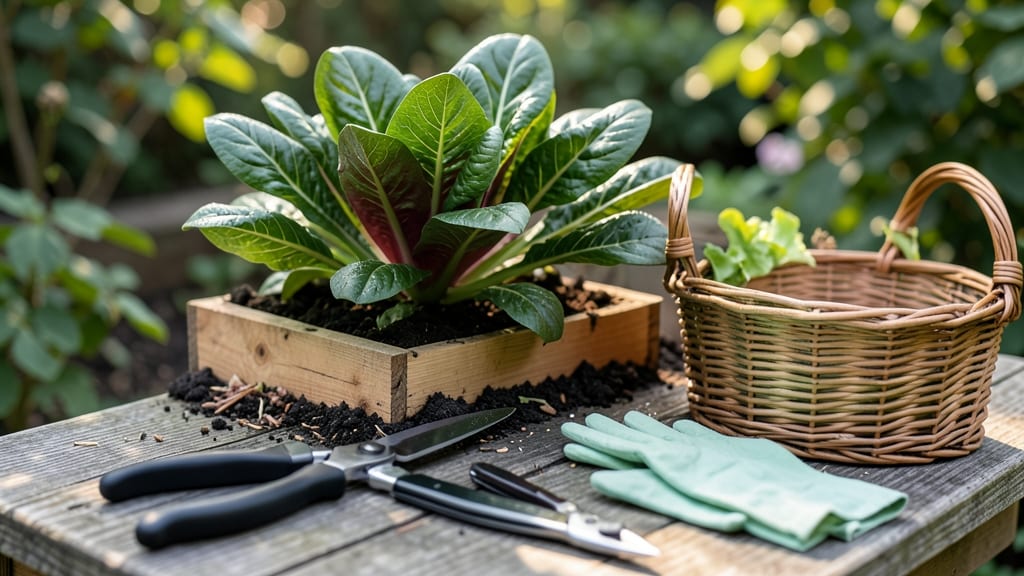
Harvesting romaine lettuce from your garden at the right time ensures crisp stems and tender, bitter-free leaves that taste better than anything store-bought 🥬.
Romaine lettuce is one of the easiest and most rewarding crops to grow—but knowing exactly when and how to harvest it makes all the difference. Skip the guesswork and master the perfect harvest timing to enjoy homegrown romaine at its peak.
Timing matters more than you think: harvest too early, and the leaves won’t be fully developed; too late, and they’ll turn bitter or bolt. The key is catching those 6-8 inch leaves when they’re deep green, firm, and still tender—usually around 45 days after planting.
Below, I’ll walk you through the best tools, techniques, and seasonal tips to harvest romaine like a pro—plus how to encourage regrowth for multiple harvests.
When to harvest romaine lettuce for maximum crispness and flavor
Timing your romaine lettuce harvest is everything—pick too early, and you’ll get small, bitter leaves. Harvest too late, and the stems turn woody while the flavor fades. The sweet spot? When the outer leaves reach 6-8 inches in length and the head forms a compact, upright shape.
This usually happens 45-60 days after sowing, depending on your climate and growing conditions.
Look for deep green, crisp leaves with a firm but not hard stem base. If the leaves feel rubbery or the center starts to loosen, you’ve missed the window. Romaine left in the ground too long also risks bolting—sending up a bitter flowering stalk—especially in hot weather.
Understanding these visual cues ensures you always enjoy the tender, sweet crunch romaine is famous for.
| Maturity Indicator | Ideal Harvest Time | Seasonal Adjustments |
|---|---|---|
| Leaf Length | 6-8 inches | Cooler weather = slower growth; harvest at 6 inches |
| Head Shape | Compact, upright | Hot weather = faster growth; harvest at 7-8 inches |
| Stem Firmness | Firm but bendable | Spring/fall = ideal; summer = harvest earlier to avoid bolting |
| Leaf Color | Deep green, vibrant | Pale leaves = harvest immediately; yellowing = too late |
| Days to Harvest | 45-60 days | Spring: 50-60 days; Fall: 45-50 days |
Spring and fall are the ideal seasons for harvesting romaine because cooler temperatures slow down growth, giving you more time to enjoy tender leaves. In spring, aim to harvest between May and June when days are warm but nights remain cool.
For fall harvests, October and November offer the same perfect balance—just be ready to act fast before frost hits.
Weather plays a huge role in harvest timing. If your area experiences unusually hot spells (above 85°F/29°C), romaine may bolt prematurely. Watch for flower stalks emerging from the center—this is your last warning sign.
In these cases, harvest immediately, even if the leaves are slightly smaller. Conversely, cloudy or rainy days can delay maturity, so adjust your timeline accordingly.
One of my favorite tricks is harvesting in the early morning when leaves are at their crispest. The cool night temperatures help maintain texture, making it the best time to cut. Avoid harvesting after a hot afternoon—the leaves will wilt faster and lose their snap.
Pro tip: Rinse your freshly picked romaine in ice water for 10 minutes to revive crispness if you need to store it before eating.
Don’t overlook the regrowth potential of romaine. If you leave a 2-inch stem after cutting the outer leaves, the plant often produces a second harvest in 2-3 weeks.
This works best with cut-and-come-again varieties. Just be mindful: each regrowth cycle yields slightly smaller leaves, so time your harvests to avoid the plant becoming stressed or woody.
Overcrowded plants or those lacking nutrients will produce smaller, less flavorful leaves. If your romaine heads are loose or sparse, thin the plants to 12 inches apart and feed with a balanced fertilizer (10-10-10) to encourage stronger growth.
This small adjustment can make a huge difference in harvest quality and quantity.
Finally, trust your senses. The best romaine lettuce has a bright, fresh aroma and a crunchy snap when you bend the stem. If it feels mushy or smells dull, it’s past its prime.
By combining these visual cues, seasonal timing, and weather adjustments, you’ll always know exactly when to harvest for the perfect bite.
Step-by-step guide to harvesting romaine lettuce without damaging the plant
Harvesting romaine lettuce at the right time and with the right technique ensures you get crisp, tender leaves while keeping your plant healthy for future harvests. The key is to cut or trim carefully to avoid stressing the plant, which can lead to bitterness or bolting.
I’ve grown romaine for years, and I’ve learned that a sharp tool and proper timing make all the difference.
Romaine lettuce is ready for harvest when the outer leaves reach 6-8 inches in length and the head forms a compact, upright shape. If you wait too long, the stems can become woody, and the leaves may develop a bitter taste.
For the best flavor and texture, harvest in the morning after the dew has dried but before the sun gets too intense.
How to Harvest Romaine Lettuce From Garden
- 🌱 Gather your tools: Use a clean, sharp pair of pruning shears or a chef’s knife. Avoid dull tools, as they can crush the stems and damage the plant.
- 💧 Water the soil: Lightly water the base of the plant a few hours before harvesting. This keeps the soil moist and makes it easier to cut cleanly without tearing the leaves.
- ✂️ Cut the outer leaves: Hold the romaine upright and cut the outer leaves at the base, leaving about 1-2 inches of growth. This encourages regrowth and multiple harvests.
- 🌿 Avoid the center: Never cut into the heart of the plant. Focus on the outer leaves to keep the inner leaves tender and crisp for future harvests.
- 🌡️ Harvest in cool weather: Ideal temperatures for harvesting are between 50-75°F. Avoid harvesting during extreme heat, as this can cause stress and bitterness.
- 💡 Encourage regrowth: After harvesting, water the plant deeply and apply a light mulch to retain moisture. This helps the romaine recover and grow new leaves.
- 📅 Plan for multiple harvests: With proper care, you can harvest romaine every 7-10 days throughout the growing season, extending your harvest window by weeks.
If you’re harvesting the entire head of romaine, use a serrated knife to cut the stem at the base, leaving about 1 inch of the stem intact. This allows the plant to regrow from the base, giving you a second harvest in about 2-3 weeks.
Just be sure to keep the soil moist and provide partial shade if temperatures rise above 80°F.
After harvesting, rinse the romaine leaves under cool water to remove dirt and debris. Store them in a plastic bag with a paper towel to absorb moisture, and keep them in the crisper drawer of your refrigerator.
With this method, your romaine will stay fresh for up to 1 week, ready for your next salad.
One common mistake I see is harvesting too aggressively, which can stress the plant and lead to bolting. Always leave at least half the plant intact, and avoid cutting into the center. With patience and care, you’ll enjoy a steady supply of homegrown romaine all season long.