
Tools
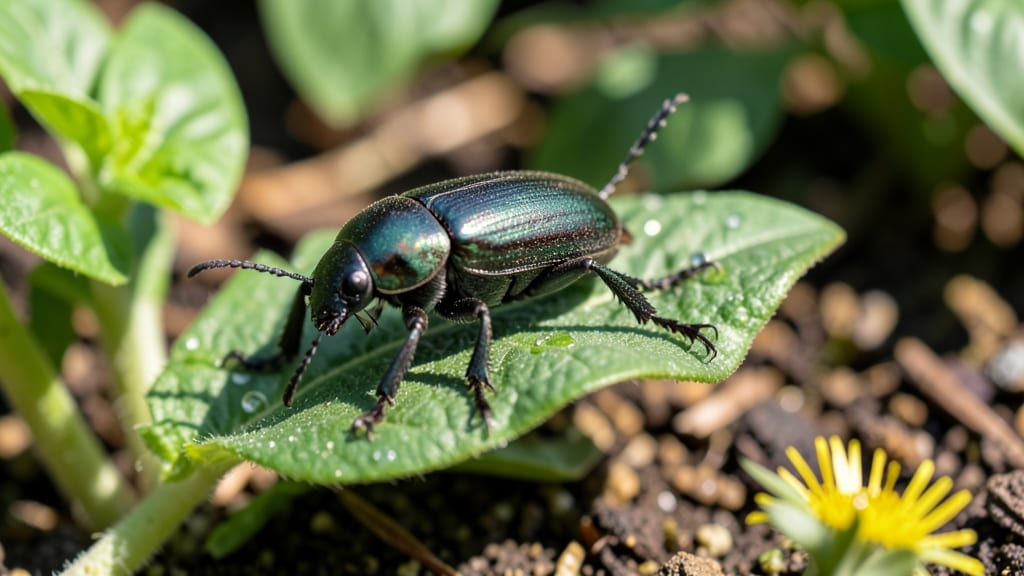
Keeping bugs out of your vegetable garden 🥬 without chemicals is easier than you think—and it starts with the right barriers.
Tired of watching your hard-earned vegetable garden become a buffet for pests like cabbage moths, aphids, and squash bugs? The good news is that you don’t need harsh chemicals to protect your plants—just the right physical barriers and natural deterrents.
Physical barriers like row covers, mesh netting, and even simple collars create a shield that blocks pests while letting sunlight and water reach your plants. These methods are cheap, reusable, and work for everything from delicate lettuce to hearty tomatoes.
Below, I’ll show you 10 proven barriers that stop the most common garden pests, how to choose the right one for your crops, and extra tricks to keep your veggies thriving all season long.
10 Effective physical barriers to block common garden bugs
When pests like cabbage moths, aphids, and squash bugs threaten your vegetable garden, physical barriers offer a chemical-free solution. These barriers create a protective shield that prevents bugs from reaching your plants while allowing sunlight, water, and air to pass through.
The key is choosing the right barrier for the specific pests you're dealing with—whether it's floating row covers for cabbage worms or collars for carrot flies.
Physical barriers work by creating a mechanical obstacle that bugs can't penetrate. Unlike chemical pesticides, they don't harm beneficial insects like ladybugs or pollinators, making them an eco-friendly choice for organic gardens.
The best part? Many of these barriers are reusable, cost-effective, and easy to install with basic gardening tools. Let’s explore the top 10 barriers and how to use them effectively in your garden.
Comparison Table: Best Physical Barriers for Common Garden Bugs
| Barrier Type | Target Pests | Installation Method | Pros | Cons |
|---|---|---|---|---|
| Floating Row Covers | Cabbage worms, aphids, flea beetles | Lay over plants, secure edges with soil or bricks | Reusable, allows sunlight/rain, blocks flying insects | Can reduce pollination for some crops |
| Fine Mesh Netting | Squash bugs, tomato hornworms, cabbage moths | Stake and drape over plants or trellises | Lightweight, breathable, durable | Requires staking, may need frequent checking |
| Cucumber Collars | Cucumber beetles, squash vine borers | Wrap around stems at soil level | Simple, effective for stem-boring pests | Limited to stem-based pests |
| Diatomaceous Earth Mulch | Slugs, snails, soil-dwelling grubs | Sprinkle 1-inch layer around plant bases | Non-toxic, breaks down pests' exoskeletons | Loses effectiveness when wet, must reapply |
| Plastic Mulch | Weeds, cutworms, soil-borne pests | Lay sheets before planting, cut slits for plants | Suppresses weeds, warms soil, reusable | Blocks sunlight for some crops, not biodegradable |
| Chicken Wire Barriers | Rabbits, deer, groundhogs | Bury 12 inches deep around garden edges | Durable, deters large animals | Not effective against insects, may rust over time |
| Straw Mulch | Slugs, cutworms, soil pests | Spread 3-4 inches around plants | Improves soil, retains moisture, biodegradable | Less effective for flying pests, attracts rodents |
Pest-Specific Tra
How to choose the right barrier for your vegetablesSelecting the perfect barrier for your vegetable garden starts with understanding your specific threats. Different pests require different defenses—like using fine mesh netting for flying insects or collars for soil-dwelling grubs. The key is matching the barrier to both your plant types and pest patterns in your area. For example, cabbage moths and carrot flies need lightweight fabric covers, while rabbits or deer demand sturdy fencing. If you're growing broccoli or kale, prioritize barriers that allow airflow but block tiny eggs. Let’s break down how to make the right choice for your garden’s unique needs.
Cost-effective solutions like DIY row covers made from old bedsheets or repurposed window screens work wonders for small gardens. For larger plots, invest in reusable mesh tunnels that last multiple seasons. Always secure barriers tightly to prevent pests from sneaking in through gaps. Consider your garden’s layout too. Vertical barriers like trellises with netting keep pests off vining plants like beans or cucumbers, while ground covers protect shallow-rooted crops. Test different barriers in small sections first to see what works best for your specific pests. Pro tip: Combine barriers for layered protection. For example, use row covers over mulch to block both flying insects and soil pests. This multi-pronged approach minimizes damage while keeping your garden chemical-free and thriving. |